
How Do You Find an Authentic indian brick lane Dining Experience Without the Guesswork?
Navigating East London’s famous curry quarter can feel overwhelming, but securing a genuine indian brick lane feast requires looking past aggressive street promoters and focusing on kitchen craftsmanship. The secret lies in identifying establishments that cook each dish from scratch rather than relying on uniform, pre-prepared sauces. By evaluating menu focus, observing kitchen transparency, and understanding regional cooking techniques, diners can bypass superficial tourist lures and enjoy the fragrant, layered cooking that made this historic street an international dining destination.
The Cultural Legacy Behind the East End Curry Mile
Brick Lane has long served as a welcoming gateway for immigrant communities in the London Borough of Tower Hamlets. During the twentieth century, Sylheti seamen and families from Bangladesh established cafes and canteens catering to local factory workers and dockers. Over several decades, those modest community spaces evolved into a bustling culinary destination, defining the British love affair with spiced cuisine.
Understanding this heritage helps visitors appreciate why the rise of the classic indian brick lane culinary district transformed East London into a cultural landmark. While menus adapted to satisfy Western expectations with dishes like chicken tikka masala, the underlying foundations remained rooted in traditional regional techniques. Slow braising, freshly ground spice pastes, and charcoal roasting created a distinct dining subculture that bridges traditional South Asian flavours with modern London life.
How to Spot Quality Kitchens and Avoid Doorstep Touts
Walking down the street during dinner hours often means running a gauntlet of front-of-house staff pitching aggressive discounts and complimentary drinks. While lively banter is part of the area’s theatrical charm, relying solely on doorstep promotions rarely leads to exceptional dining. The most dedicated kitchens rarely need high-pressure sales tactics because their regular clientele and word-of-mouth reputation keep their tables occupied.
When evaluating an indian brick lane establishment, looking closely at kitchen transparency and freshly prepared sauces reveals whether a venue prioritises culinary craft over hurried tourist fare:
- Menu Dimension and Focus: Sprawling menus with hundreds of identical meat options swimming in interchangeable sauces suggest batch cooking. Conversely, a concise menu featuring distinct regional gravies indicates an active, scratch-cooking kitchen.
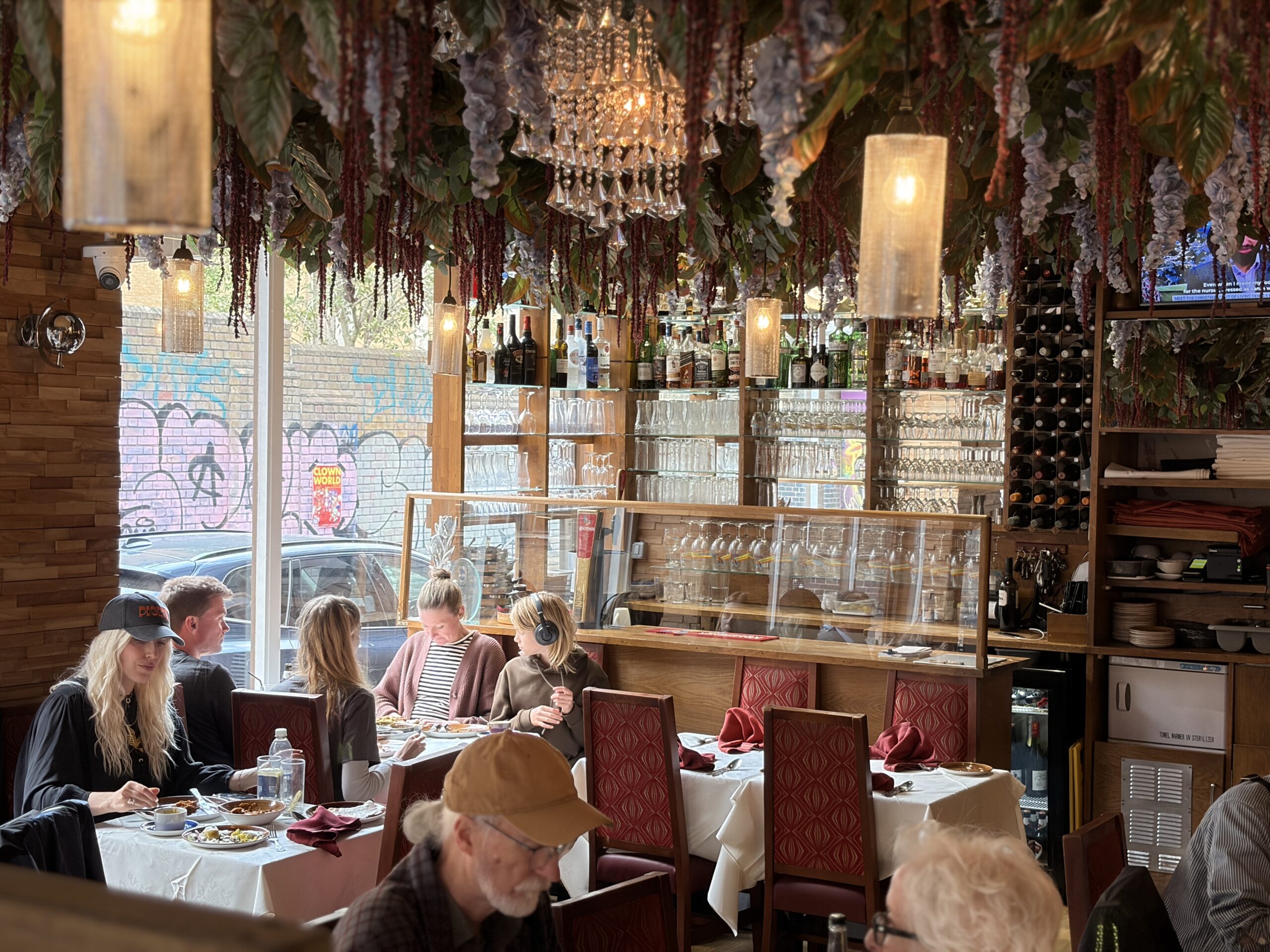
- Dining Room Demographics: Look through the window for a balanced crowd of local Londoners, regular patrons, and families rather than exclusively bewildered first-time tourists.
- Aroma and Atmosphere: High-heat clay ovens produce an unmistakable, appetising fragrance of toasted cumin, scorched garlic, and charred dough that drifts naturally onto the pavement.
- Transparent Sourcing: Establishments proud of their ingredients will openly discuss their meat provenance, spice blends, and preparation methods.
Selecting a reputable Indian restaurant London food enthusiasts admire means checking whether dishes are cooked fresh to order rather than reheated from pre-made batches. When servers can comfortably explain the spice composition of a speciality dish or recommend adjustments to suit your preferred heat level, you are almost certainly in capable hands.
Decoding the Menu: Base Gravies Versus Hand-Crafted Sauces
A defining debate among curry aficionados revolves around the British Indian Restaurant cooking method versus authentic home-style preparations. Many commercial kitchens rely on a single, smooth onion-and-vegetable base gravy, rapidly modifying it with chilli powder, cream, or tomato paste to produce twenty different items in minutes. While efficient, this approach produces one-dimensional flavours where every sauce carries the same underlying texture.
In contrast, diners hunting for the best curry in london often judge a kitchen by the depth and caramelisation of its base gravy and the patience of its slow simmering. In superior establishments, each curry begins with its own foundation of whole tempered spices, caramelised onions, fresh ginger, and garlic:
Essential Curry Profiles and Flavour Balances
- Bhuna: A dry-fry technique where spices cook down in oil alongside meat until a thick, clingy coating forms. The result is intensely savoury without excess liquid.
- Korai: Cooked in a cast-iron wok-style vessel with chunks of fresh green pepper, onions, and coarse coriander seeds, yielding a bright, aromatic crunch.
- Dhansak: An ancient Parsi dish combining spiced meat with sweet-and-sour lentils, fenugreek leaves, and pineapple or tamarind juice for complex contrast.
- Jalfrezi: Stir-fried at high temperatures with sliced chillies, peppers, and spring onions, delivering a dry, fiery kick that highlights wok char rather than heavy sauce.
A quintessential indian brick lane menu balances robust tandoori grilling with nuanced gravies, allowing diners to explore varied textures in a single meal.
The Art of the Clay Tandoor
The tandoor oven remains the beating heart of East End cooking. Fired by charcoal or gas to temperatures exceeding four hundred degrees Celsius, the cylindrical clay chamber seals moisture instantly inside meats while imbuing them with smoky complexity. Skewered lamb chops, king prawns, and chicken tikka achieve a delicate balance of blistered exterior and succulent interior. Similarly, flatbreads slapped directly against the blistering clay walls bubble into airy naans within ninety seconds, providing an essential accompaniment to rich sauces.
Regional Influences: Beyond Standard High-Street Curries
Because the culinary pioneers of Brick Lane brought traditions from northeastern Bangladesh, regional Sylheti specialities offer some of the most exciting dining options on the street. Exploring these distinctive recipes gives diners a deeper appreciation of the community’s culinary heritage.
One notable example is the use of shatkora, a bitter, aromatic citrus fruit indigenous to the Sylhet region. When simmered with beef or mutton, the thick rind releases essential oils that cut through rich animal fats, leaving a distinct, tangy brightness unlike any conventional high-street curry. Similarly, freshwater fish dishes such as spiced boal or rui prepared with mustard oil and turmeric showcase a lighter, herb-forward approach that contrasts sharply with dairy-heavy gravies.
Dining Atmosphere: Licensing, BYOB, and Heritage Hospitality
Beyond the food itself, another distinct element of visiting an indian brick lane dining room is the lively, unpretentious atmosphere that permeates the street. The dining culture balances informal gatherings with warm, generous service that makes large groups and solo travellers feel equally at home.
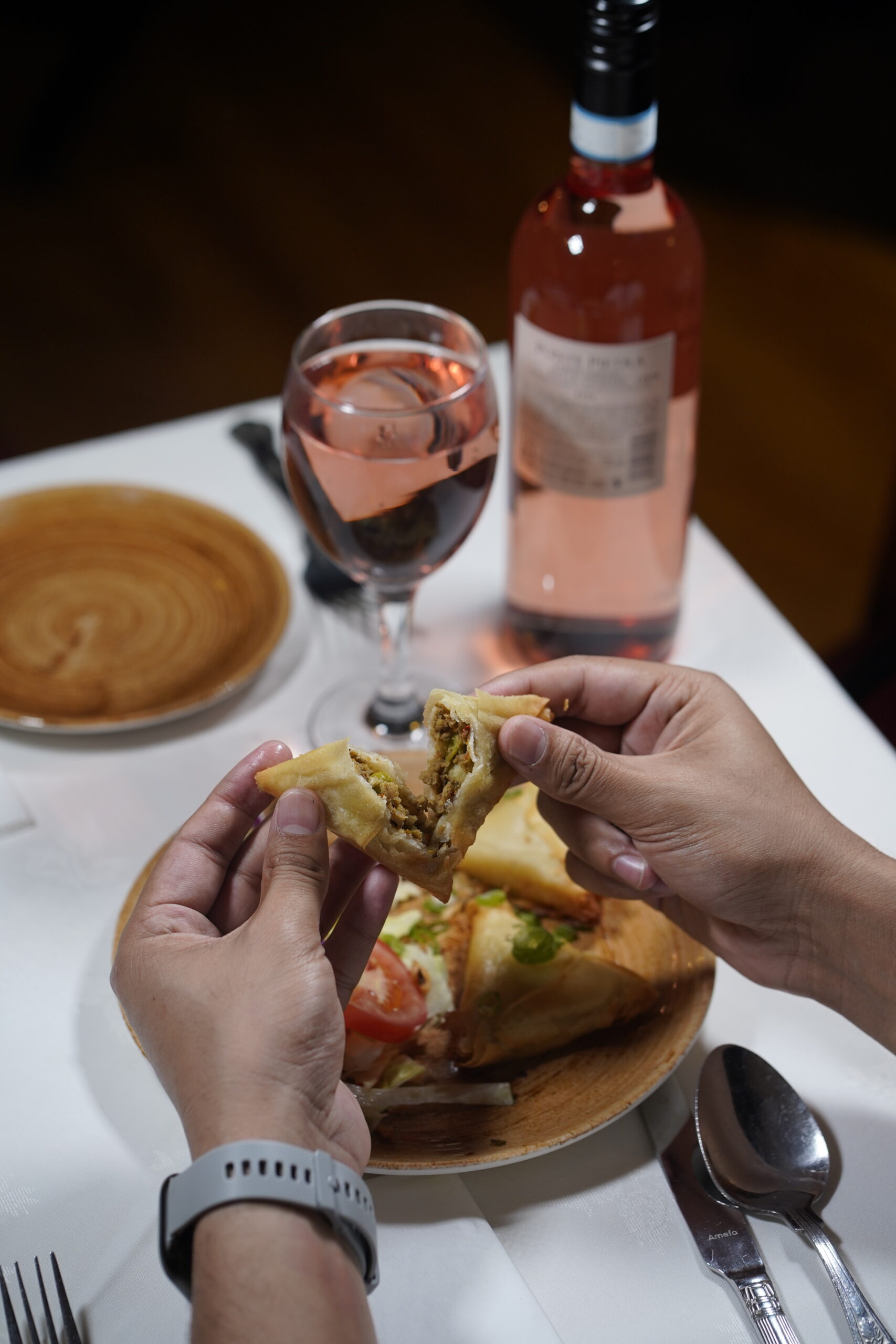
A longstanding tradition across many East End restaurants is the “Bring Your Own Bottle” (BYOB) policy. While several historic venues maintain fully licensed bars stocking crisp Indian lagers and international wines, others encourage patrons to bring their own beer or wine for a modest corkage fee, or occasionally free of charge. This custom keeps dining costs reasonable and allows wine lovers to pair their favourite dry Riesling or fruity Syrah directly with complex spices.
At an established venue like City Spice, the standard expected of an Indian restaurant London visitors frequent is defined by culinary balance, attentive service, and traditional charcoal tandoor techniques. Sustaining high quality across decades requires relentless consistency, from sourcing high-grade whole spices to training kitchen staff in regional recipes.
Practical Considerations for an Effortless Meal
Planning your visit strategically can dramatically elevate your culinary experience. Timing your meal to avoid peak congestion ensures the kitchen can give your order the deliberate attention it deserves:
- Timing Your Visit: Friday and Saturday evenings between eight and ten o’clock generate extreme foot traffic. Visiting during weekday evenings or earlier on weekends allows chefs more time to roast fresh spices and bake naans to order.
- Dietary Inclusivity: The vast majority of restaurants along the strip operate strictly halal kitchens. Furthermore, South Asian cuisine provides an extensive natural repertoire of plant-based dishes, making it exceptionally accommodating for vegetarian, vegan, and dairy-free diners.
- Balancing the Table: Avoid ordering identical creamy gravies. Combine a dry-roasted tandoori starter with a tangy tomato-based main, a mild lentil dal, fragrant basmati pilau, and freshly baked flatbread to experience varied textures and contrasting heat levels.
Remember that reputation alone does not guarantee the best curry in london, as true excellence shows in fresh ingredients, whole spices, and slow cooking. Taking a few minutes to read recent patron feedback and inspect the kitchen’s culinary focus ensures your meal meets high expectations.
Final Thoughts
Selecting a memorable meal along London’s most historic curry corridor does not require luck or blind guesswork. By looking past persuasive pavement callers, prioritising concise menus, and seeking out kitchens dedicated to regional cooking, diners can unlock an authentic cultural experience that honours decades of East End heritage.
Ultimately, discovering an authentic indian brick lane meal is about appreciating balanced spices and genuine hospitality. When a kitchen takes pride in freshly toasted spices, tender tandoor meats, and rich, individual gravies, every bite reflects the vibrant culinary community that built this remarkable neighbourhood.