
Signature Dishes You Must Try at the Best Indian Restaurants Brick Lane
At the best Indian restaurants Brick Lane has to offer, the dishes to order are a tandoor-charred grill, a slow-fried bhuna, a Bengali fish curry, a properly layered biryani, a tempered dhal and fresh bread from the clay oven. Together they show off every skill a good kitchen has: fierce heat, patience, spice balance and timing.
That is the short answer. The longer one is below, written by people who cook these dishes on Brick Lane every service and know exactly where each one can go wrong.
Why do signature dishes matter more than the long menu?
Most curry house menus run to dozens of items. Many are variations: the same chicken in a different sauce. Signature dishes are different. They are the ones where a kitchen’s technique is exposed, where there is nowhere to hide a shortcut.
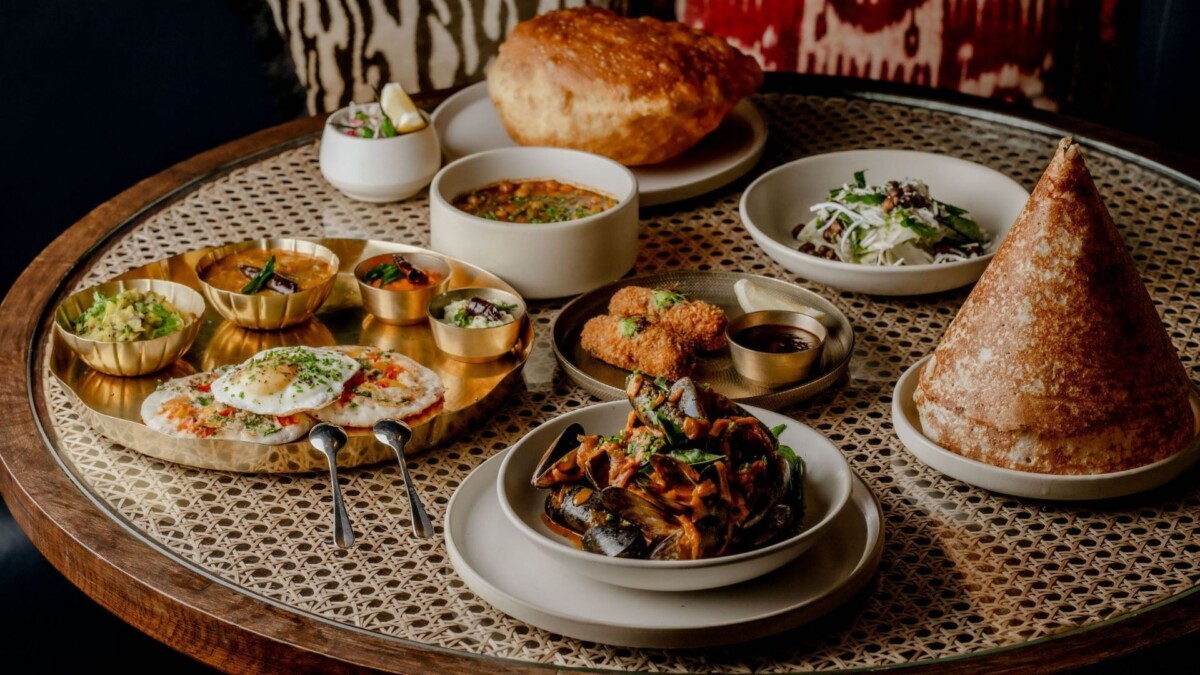
When you sit down at an Indian restaurant Brick Lane regulars trust, order at least two dishes that use completely different methods. One from the tandoor, one from the pan. That way you taste the kitchen’s range, not one sauce in three colours.
1. What makes a tandoori grill worth ordering?
The tandoor is a clay oven, and the walls get extremely hot, often over 400°C. Skewered meat cooks in minutes, charring at the tips while the inside stays juicy.
The secret is the marinade. Most tandoori dishes use two stages. First, a coat of lemon juice, salt, garlic and ginger for about 20 minutes, which starts to season the meat. Then a thick yoghurt marinade with spices for several hours or overnight. Yoghurt’s lactic acid and calcium gently loosen the proteins on the surface without turning them mushy, the way a strong vinegar marinade would. The milk sugars in the yoghurt also help the surface colour quickly in the heat.
Look for a grill with blackened edges and a glossy, slightly wet interior. Dry and pale means it waited too long under a lamp. In our kitchen we put vegetables through the tandoor too, not just meat, and a charred cauliflower or paneer shows you the same skill in a different form.
2. Why is a lamb bhuna the real test of a kitchen?
“Bhuna” describes a technique, not a recipe. Spices, onions and meat are fried together in a little oil, stirred constantly, with only small splashes of water added when the pan threatens to catch. The sauce reduces until it coats the meat and the oil starts to separate at the edges.
That separation is the sign you want. It means the water has cooked out and the spices have been fried properly rather than boiled. Raw-tasting cumin or coriander in a curry almost always comes from skipping this stage.
A good lamb bhuna on the bone takes around 90 minutes to two hours, depending on the cut. Shoulder and neck work best, because their connective tissue melts into gelatine and gives the sauce body. Many people chasing the best curry in London end up settling on a bhuna, because it shows depth without relying on cream.
3. Should you try a Bengali fish curry?
Yes, especially on Brick Lane. The street’s Bangladeshi community brought Bengali home cooking with it, and fish is at the heart of that cuisine.
A Bengali fish curry usually uses mustard oil, heated until it just smokes to soften its sharp raw edge, then tempered with panch phoron: equal parts fenugreek, nigella, cumin, black mustard and fennel seeds. The fish is often rubbed with turmeric and salt and lightly fried first so it holds together in the sauce.
The flavour is lighter and brighter than a North Indian curry. Mustard gives a gentle pungency, green chillies add freshness rather than burn. Chef Niaz’s cooking carries a Bengali twist, so this style of flavour runs through many of our dishes, and it is a good way to taste what makes Brick Lane different from curry houses elsewhere.
4. What should a proper biryani look like?
A real biryani is layered and steamed, not stir-fried rice with curry mixed in.
The rice is soaked for 30 minutes, then boiled in heavily salted water with whole spices until about 70% cooked: the grain should still snap in the middle. It is drained and layered over a cooked meat or vegetable base, sprinkled with saffron milk, fried onions and herbs, then sealed and cooked on very low heat for 20 to 30 minutes. This final stage is called dum. Steam finishes the rice and carries the aroma of the meat upward.
Soaking matters because basmati is long and brittle. Dry grains crack when they hit boiling water; soaked grains absorb water evenly and lengthen instead of breaking. When a biryani arrives, the grains should be separate, long and tinted in patches, not uniformly orange.
5. Is dhal worth ordering when there is so much else?
Always. Dhal is the dish we judge other kitchens by.
Red lentils (masoor) cook down in about 25 minutes. Yellow split peas or toor dal take longer and hold more texture. The finishing step, the tarka, is where the flavour lives: whole cumin, dried chilli, garlic and sometimes curry leaves fried in hot oil until fragrant, then poured over the dhal at the table or just before serving. You should hear it sizzle.
City Spice has a dedicated vegan curry menu created by Chef Niaz with Michelin-inspired chef Rupert Rowley, and its aubergine dhal is a good example of how far the dish can go. Smoky aubergine folded into lentils gives it a depth people do not expect from a pulse dish.
6. Which vegan dishes deserve a place on the table?
Vegan cooking is no longer an afterthought on Brick Lane, and the best kitchens treat it with the same care as their meat dishes.
From our vegan menu, three are worth singling out alongside the aubergine dhal. Chowle Achar takes its name from achar, the tangy pickle-style spicing loved across Bengal. Shobji Kufta Bhujon, as the name suggests, brings vegetable (shobji) koftas together with bhuna-style cooking. And the Shahi Sahakari platter is served thali-style, so a table can try several dishes in small portions. If you cannot decide, order the platter.
Ordering at the best Indian restaurants Brick Lane: a quick guide
| Dish | Technique it shows | What good looks like
|
|---|---|---|
| Tandoori grill | High-heat clay oven, yoghurt marinade | Charred tips, juicy middle |
| Lamb bhuna | Slow frying, reduction | Thick sauce, oil separating at edges |
| Bengali fish curry | Mustard oil, panch phoron | Bright, pungent, fish intact |
| Biryani | Par-boiling, dum steaming | Separate, long grains |
| Dhal with tarka | Tempering | Audible sizzle, fragrant garlic |
| Tandoor bread | Wall-baking | Blistered, soft, puffed |
Frequently Asked Questions
What is the most famous dish on Brick Lane?
There is no single dish, but Bengali-influenced curries and tandoor grills define the street. Many visitors also come for a bhuna or biryani, which have become classics of British Bangladeshi restaurants.
Is the food on Brick Lane Indian or Bangladeshi?
Most restaurants on Brick Lane are run by families of Bangladeshi heritage and serve a mix of North Indian restaurant classics and Bengali home-style dishes. “Indian restaurant” is the common label, but the Bengali influence is strong.
What is the difference between a bhuna and a curry?
Bhuna is a cooking technique where spices and meat are fried and reduced until the sauce is thick and clinging. “Curry” is a broad British term for any spiced dish with sauce.
Can I get good vegan food on Brick Lane?
Yes. City Spice has a dedicated vegan curry menu including Chowle Achar, aubergine dhal, Shobji Kufta Bhujon and the Shahi Sahakari platter. Ask any restaurant whether their breads and tarka use butter or ghee.
How hot are Brick Lane curries?
Heat varies widely. Most kitchens can adjust chilli to suit you, and Bengali-style dishes tend to be aromatic rather than fiercely hot.
Final Thoughts
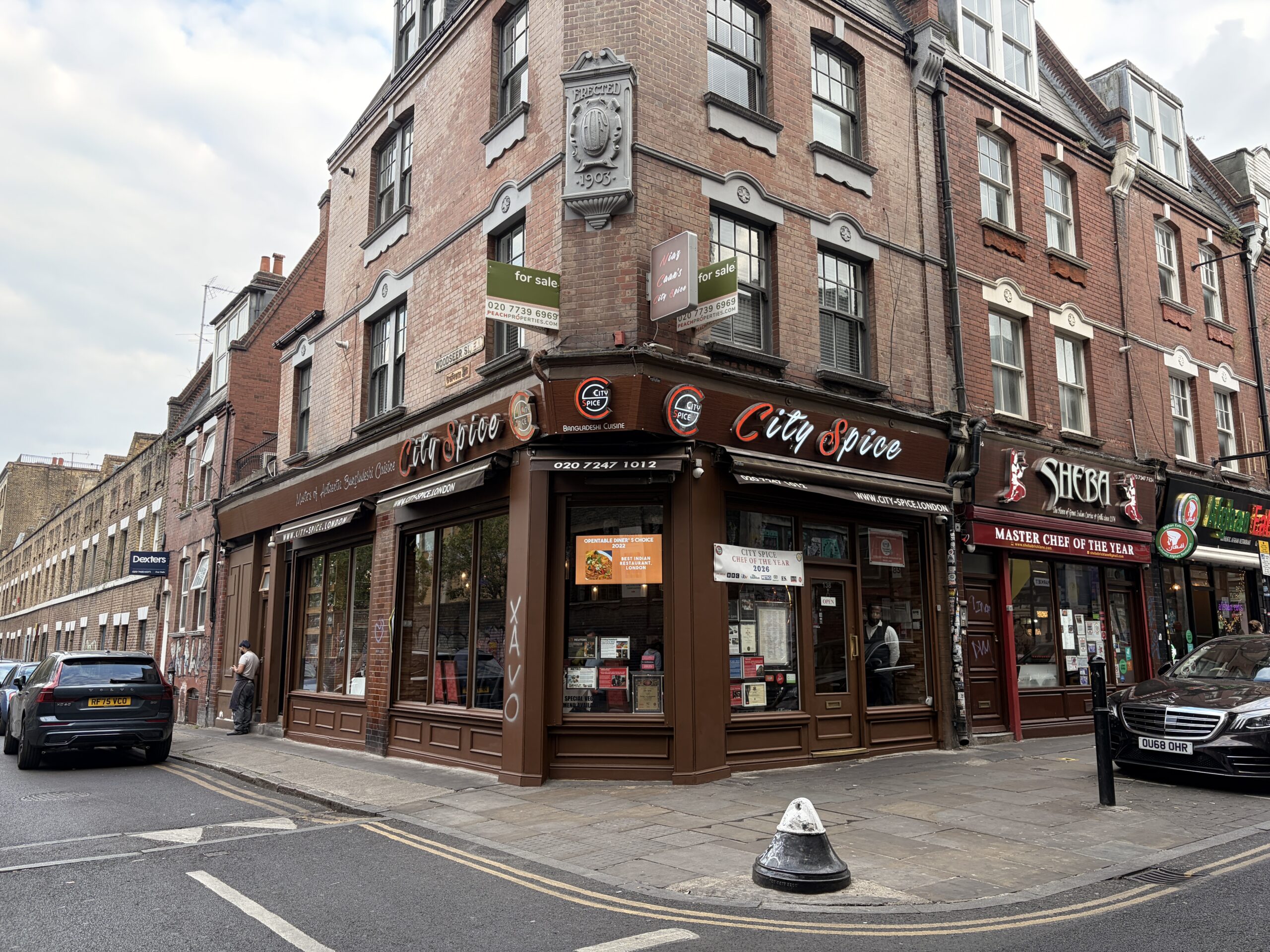
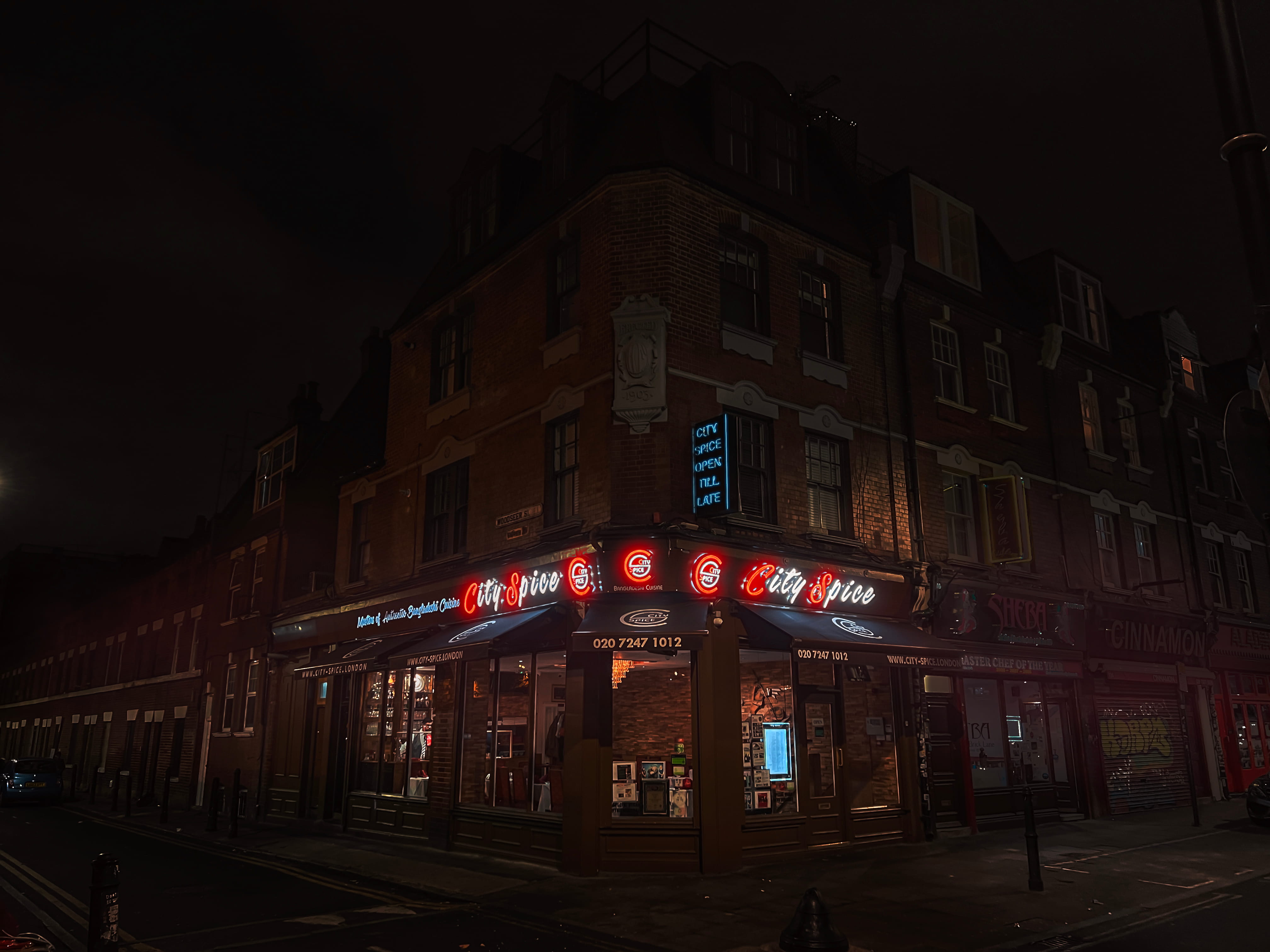
The best Indian restaurants Brick Lane is known for earn their reputation through a handful of dishes cooked well, every night. Order across techniques, pay attention to the details above and you will know within a few bites whether a kitchen is serious. We would love you to put ours to the test at City Spice, 138 Brick Lane.