
How Can You Spot an Authentic Curry Restaurant Brick Lane London Among So Many Choices?
Walking down East London’s most celebrated dining thoroughfare presents an immediate sensory spectacle, where colourful signs and competing door staff beckon visitors from every corner. Spotting a truly authentic curry restaurant brick lane london diners respect comes down to looking past aggressive discounts and examining how the kitchen treats its spices, marinades, and regional culinary heritage. While some commercial venues rely on pre-mixed base gravies that make distinct regional specialities taste interchangeable, genuine kitchens slow-cook their sauces from scratch and roast whole spices daily. This guide outlines the essential indicators of culinary excellence along the lane, helping you navigate the menus, avoid common dining pitfalls, and savour the deep culinary traditions of the East End.
Understanding the Legacy of Brick Lane’s Curry Mile
Brick Lane has stood at the heart of London’s immigrant heritage for centuries, transforming from a hub of French Huguenot weavers and Jewish tailors into the world-renowned epicentre of British-Bangladeshi culinary culture. During the mid-twentieth century, Sylheti seamen and community pioneers settled around Spitalfields and Whitechapel, establishing community cafes that served comforting, home-style meals. Over decades, these humble dining rooms expanded into thriving family-run establishments that introduced Londoners to robust tandoori cooking, complex biryanis, and aromatic gravies.
Today, the street represents both rich culinary heritage and vibrant modern dining. Finding an authentic curry restaurant brick lane london locals return to means understanding this shift from utilitarian canteen cooking to nuanced regional pride. While the strip attracts an influx of casual visitors and tourists, respected kitchens continue to honour foundational cooking methods passed down through generations. They source fresh ingredients daily and take pride in serving time-honoured Bengali and North Indian dishes rather than cutting corners.
When hungry diners open a browser and type Indian food near me while wandering around Shoreditch or Whitechapel, search engine maps often flood the screen with sponsored listings that disguise culinary quality. Real culinary distinction on Brick Lane does not rely on paid digital promotions. Instead, it reveals itself in the aroma of blooming cumin seeds, sputtering mustard oil, and simmering lentils drifting from open kitchen doors.
Key Signs of a Genuinely Authentic Kitchen
The distinction between an exceptional meal and an uninspiring dinner often lies in the kitchen’s approach to sauce preparation. In commercialised British Indian restaurant cooking, some establishments lean heavily on a single generic base sauce, modifying it slightly with sugar for korma or extra chilli powder for madras. In contrast, an authentic kitchen prepares individual masala pastes and stocks tailored to each specific recipe. This dedication ensures that a delicate korma features fragrant cardamoms, ground almonds, and gentle creaminess, while a robust bhuna delivers caramelised onions, ginger, and pungent garlic.
A hallmark of any respected curry restaurant brick lane london establishment is a menu that celebrates distinct spice profiles rather than a single master gravy altered only by chilli powder or food colouring. Authentic cooks understand that spices require different cooking times to release their volatile oils. Ground coriander, turmeric, cassia bark, and cloves must be gently sautéed in warm oil to develop rich aromatics without burning or turning bitter.
Why Menu Depth Matters More Than Length
A massive menu listing hundreds of nearly identical dishes is often a warning sign of industrial shortcut cooking. When evaluating a venue, pay attention to these markers of authentic culinary depth:
- Distinct sauce textures: High-quality curries feature varied consistency, ranging from thick, clinging masala coats to light, broth-like shorshe or fenugreek-scented gravies.
- Slow-simmered bone-in options: Traditional recipes often use bone-in mutton, chicken, or lamb shank to impart deep marrow flavour into the sauce during prolonged simmering.
- Fresh herb garnishes: Authentic kitchens garnish dishes with freshly chopped coriander, julienned ginger, and bruised green chillies rather than dried flakes.
- Balanced spicing: Heat should never overwhelm the palate; instead, it should complement complex savoury, sour, and earthy notes.
Navigating Street Touts and Front-of-House Pressure
One of the most widely discussed aspects of visiting Brick Lane is the presence of street touts stationed outside restaurant entrances. These front-of-house promoters frequently approach pedestrians with laminated menus, offering steep discounts, complimentary bottles of wine, or free starters to lure diners inside. While this competitive banter is part of the historic street theatre, relying on discounts alone rarely leads to the best culinary experience.
Diners who take time to research before stepping onto the pavement discover that the best curry restaurant brick lane london venues rarely need staff standing outside handing out discount vouchers. Top-tier establishments build their reputations on consistent cooking quality, welcoming hospitality, and returning regulars. When a restaurant’s tables fill naturally with a mix of local families, London food enthusiasts, and knowledgeable visitors, you can be confident that the kitchen prioritises high standards over high table turnover.
Navigating the street requires a polite yet confident approach. If you are approached by door staff offering deals, simply smile, offer a polite decline, and continue walking toward your chosen destination. Making a reservation in advance or arriving with a clear dining choice in mind allows you to bypass the sales pitch entirely and focus on enjoying your evening.
What to Look for in Tandoor Grills and Fresh Breads
A traditional clay oven, known as a tandoor, sits at the heart of authentic subcontinent cuisine. Operating at temperatures exceeding 400 degrees Celsius, the tandoor seals in meat juices while imparting an unmistakable smoky char. Observing how a restaurant handles its tandoori dishes provides direct insight into the skill and discipline of the kitchen team.
When dining at a dedicated curry restaurant brick lane london residents trust, the aroma of charcoal and sizzling cast iron should greet you long before the main courses arrive. Meats marinated in yogurt, raw ginger, garlic, and freshly crushed spices should emerge tender, juicy, and lightly blistered around the edges. Dried-out or artificially dyed neon-red tikka pieces often indicate pre-cooked meats that have been reheated in an ordinary oven.
Essential Accompaniments That Reveal Kitchen Skill
Side dishes and accompaniments are never an afterthought in an accomplished kitchen; they serve as a true litmus test for culinary expertise:
- Piping-hot naan breads: Breads slapped directly against the curved clay wall of the tandoor should arrive puffed, pillowy, and lightly blistered with crisp air pockets.
- Fragrant pilau rice: Basmati grains should be long, separate, and fragrant with whole spices such as star anise, cinnamon sticks, and black cardamom pods.
- Slow-cooked lentils: A signature tarka dal or black dal makhani should demonstrate gentle tempering, where sizzling garlic and cumin seeds enrich velvety pulses.
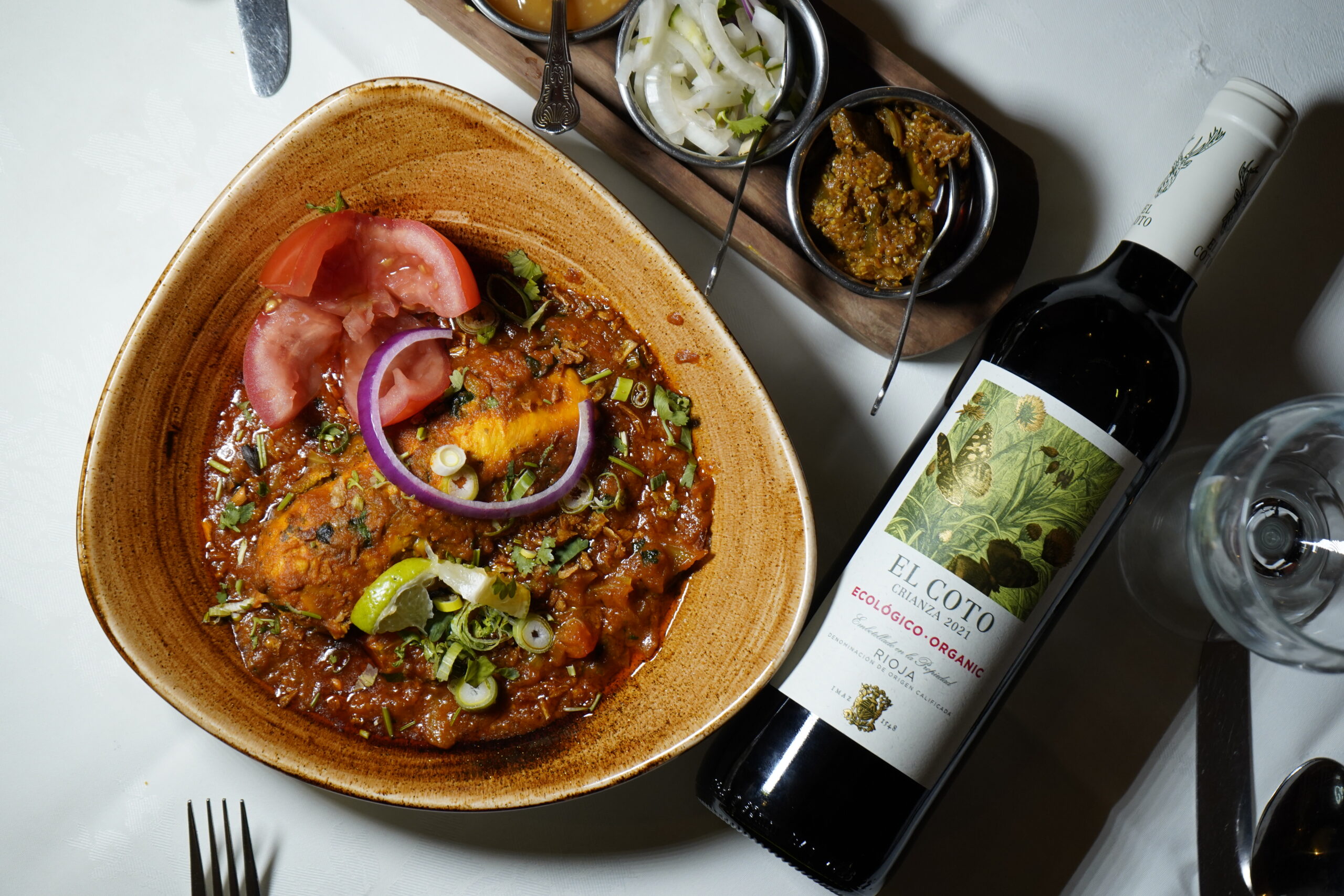
- House-made chutneys: Fresh mint raita, tangy tamarind chutney, and spiced lime pickle demonstrate far more kitchen care than commercial jars.
Rather than relying on an automated phone search for Indian food near me, discerning eaters evaluate whether a restaurant prepares its naan breads to order and simmers lentils over gentle heat for hours. These foundational elements highlight a kitchen committed to craftsmanship.
East London Dining: From Spitalfields to Brick Lane
Brick Lane enjoys a unique geographical position at the crossroads of artistic Shoreditch, historic Spitalfields, and the City of London. This central East End location makes it a magnet for diverse crowds, ranging from creative professionals and local residents to corporate teams and international travellers.
For professionals finishing work in the financial district and searching for premier Indian Liverpool Street dining, the vibrant stretch of Brick Lane sits barely a ten-minute walk away. Crossing into this cultural corridor offers a welcome escape from sterile corporate dining rooms into a lively neighbourhood packed with character and heritage.
Instead of paying inflated corporate rates for standard fare, commuters seeking memorable Indian Liverpool Street alternatives frequently cross Commercial Street into Spitalfields to enjoy genuine tandoori cooking. Among the enduring institutions on the street, City Spice stands out as a prominent landmark at 138 Brick Lane. Known affectionately by many patrons as a cornerstone of East End dining, City Spice balances traditional Bengali recipes with an expansive, award-winning menu. The establishment caters thoughtfully to modern dietary preferences with an extensive dedicated vegan and vegetarian selection, alongside signature curries and sizzling mixed platters.
Practical Considerations for an Exceptional Evening
Enjoying an evening on Brick Lane involves more than simply choosing a reputable dining room; timing and ordering strategy play an equally important role. Weekday evenings generally offer a more relaxed dining atmosphere, giving waiting staff ample time to discuss menu recommendations and culinary traditions. Friday and Saturday nights, meanwhile, bring an exhilarating, celebratory energy to the street, making early reservations highly recommended.
To make the most of your visit, consider these practical recommendations:
- Book your table in advance: Securing a table ahead of time ensures you avoid waiting in long queues during peak weekend dinner hours.
- Dine family-style: Ordering a selection of dishes to share allows everyone at the table to sample contrasting textures, heat levels, and cooking styles.
- Explore house specialities: Ask your server for regional Bengali dishes or chef-recommended specials rather than default high-street standards.
- Consider dietary options: Reputable establishments clearly label dietary information and provide freshly prepared vegetarian, vegan, and halal-compliant dishes.
Final Thoughts
Finding an exceptional meal on East London’s most famous street is an enjoyable adventure once you know what to look for. By prioritising scratch-cooked gravies, authentic tandoori preparations, and restaurants that let their cooking speak louder than street promotions, you can avoid tourist-oriented mediocrity and experience authentic regional dining.
Choosing the right curry restaurant brick lane london experience transforms a casual dinner into an evocative journey through Bengali culinary tradition and East End history. Whether you are catching up with friends after work, exploring historic Spitalfields, or celebrating a family milestone, taking time to select a dedicated, authentic kitchen ensures a feast of unforgettable flavours.