

How Do You Choose Brick Lane Indian Restaurants in London – Expert Guide
Walking down East London’s most celebrated food strip often feels overwhelming, especially when competing hosts try to usher you through their doors. Finding memorable food among the dozens of brick lane indian restaurants comes down to looking past aggressive discounts and focusing on kitchen heritage, freshly ground spices, and genuine neighbourhood reputation. Whether you are craving a slow-simmered regional specialty or a classic British favourite, evaluating menu quality and cooking standards ensures you enjoy an authentic meal rather than a rushed tourist experience.
The Rich Heritage Behind East London’s Curry Mile
The culinary identity of Brick Lane was forged over decades of migration, primarily by Bengali families and seamen from the Sylheti region who settled in East London during the twentieth century. These pioneers opened community cafes that gradually evolved into the bustling dining destination celebrated today. Understanding this history explains why the local cooking style offers a distinct blend of Bangladeshi home recipes and British Indian Restaurant classics.
Every distinguished indian restaurant brick lane houses has its own approach to balancing classic curries with regional homestyle cooking. While early kitchens adapted traditional recipes to suit local palates with rich gravies and milder spices, the modern street is experiencing a revival of authentic regional flavours. Today, thoughtful diners visit brick lane indian restaurants to sample both comforting high-street staples and complex, spice-forward dishes inspired by Sylheti home cooking.
What Distinguishes Genuine Quality from Tourist Traps?
With dozens of dining rooms lining a single street, finding exceptional food requires knowing how to separate genuine culinary passion from clever marketing.
The Danger of Pavement Touts and Bargain Deals
One of the most defining characteristics of the area is the presence of front-of-house staff standing outside trying to persuade passers-by to enter. While a friendly greeting is standard hospitality, venues relying on aggressive discount pitches often cut corners in the kitchen.
Reliable kitchens rarely need to offer half-price food or free rounds of drinks to fill their dining rooms. Instead, quality venues let their culinary reputation and steady word-of-mouth recommendations attract diners naturally.
Menu Breadth Versus Fresh Preparation
A massive menu containing hundreds of disparate dishes often indicates that a kitchen relies on a single generic base gravy modified with different food colourings and quick additions. By contrast, kitchens dedicated to authentic cooking maintain focused menus where every sauce is built individually from scratch.
Rather than choosing blindly among the crowded rows of brick lane indian restaurants, look for kitchens that slow-cook their meat on the bone, toast their whole spices daily, and introduce regional ingredients. Seeking out kitchens that prioritise freshness yields the best curry in london for depth and flavour. Look for menus that highlight distinct cooking techniques rather than an endless list of identical curries with interchangeable proteins.
Practical Indicators of an Exceptional Dining Experience
To make an informed decision before sitting down, look for several clear visual and operational signals that separate high-calibre establishments from casual tourist stops:
- Clear hygiene ratings: Check the Food Standards Agency (FSA) rating displayed in the window, where a score of five demonstrates strict hygiene and professional kitchen management.
- Transparent kitchen craft: Quality venues often showcase visible tandoor ovens where naan bread is slapped fresh against clay walls and skewers of marinated meat are roasted over coals.
- Balanced dining crowds: A dining room filled with local Londoners, South Asian families, and repeat regulars is one of the most reliable signs of genuine quality.
- Thoughtful dietary options: Established venues provide dedicated vegan, vegetarian, and allergen menus rather than treating plant-based diners as an afterthought.
Paying attention to these details helps visitors filter out the noise and select established brick lane indian restaurants that prioritise craft over quick customer turnover.
Understanding BYOB Policies and Dining Customs
A distinctive aspect of visiting Brick Lane is navigating the variety of licensing arrangements across different dining rooms.
Many long-standing curry houses operate on a Bring Your Own Bottle (BYOB) model, allowing guests to bring their own wine or beer purchased from nearby off-licences. This tradition makes dining out sociable and budget-friendly, though it is always wise to confirm corkage fees before opening your drinks. Other establishments maintain full bar licences, serving specialist craft beers, Indian lagers, and wine pairings designed to complement spicy food.
When booking an indian restaurant brick lane regulars recommend, checking whether the venue allows BYOB dining is always sensible. Diners should also consider service pacing on busy nights. Because weekend evenings bring substantial foot traffic, busier establishments can feel hurried. Seeking out restaurants that allow you to linger over multiple courses ensures a relaxed, enjoyable evening.
What Dishes Should You Order for an Authentic Experience?
Navigating the menu with confidence requires looking beyond generic dishes. Examining the offerings at reputable brick lane indian restaurants reveals an exciting spectrum of flavours ranging from delicate lentils to rich, slow-simmered gravies.
Regional Bengali and Sylheti Specialities
To experience the authentic culinary traditions of the chefs cooking on the lane, seek out dishes featuring shatkora. This aromatic, bitter citrus fruit native to Sylhet cuts through the richness of slow-cooked lamb or beef, creating an unforgettable depth of flavour. Similarly, dishes featuring whole mustard seeds, fresh fenugreek leaves, and green chillies demonstrate genuine regional expertise.
Modern Adaptations and Street Standards
While regional dishes introduce exciting new flavours, a top-tier kitchen must also excel at traditional British favourites. Achieving the best curry in london means perfecting foundational dishes, from a velvety chicken tikka masala with smoky tandoor char to a slow-braised lamb rogan josh fragrant with green cardamom.
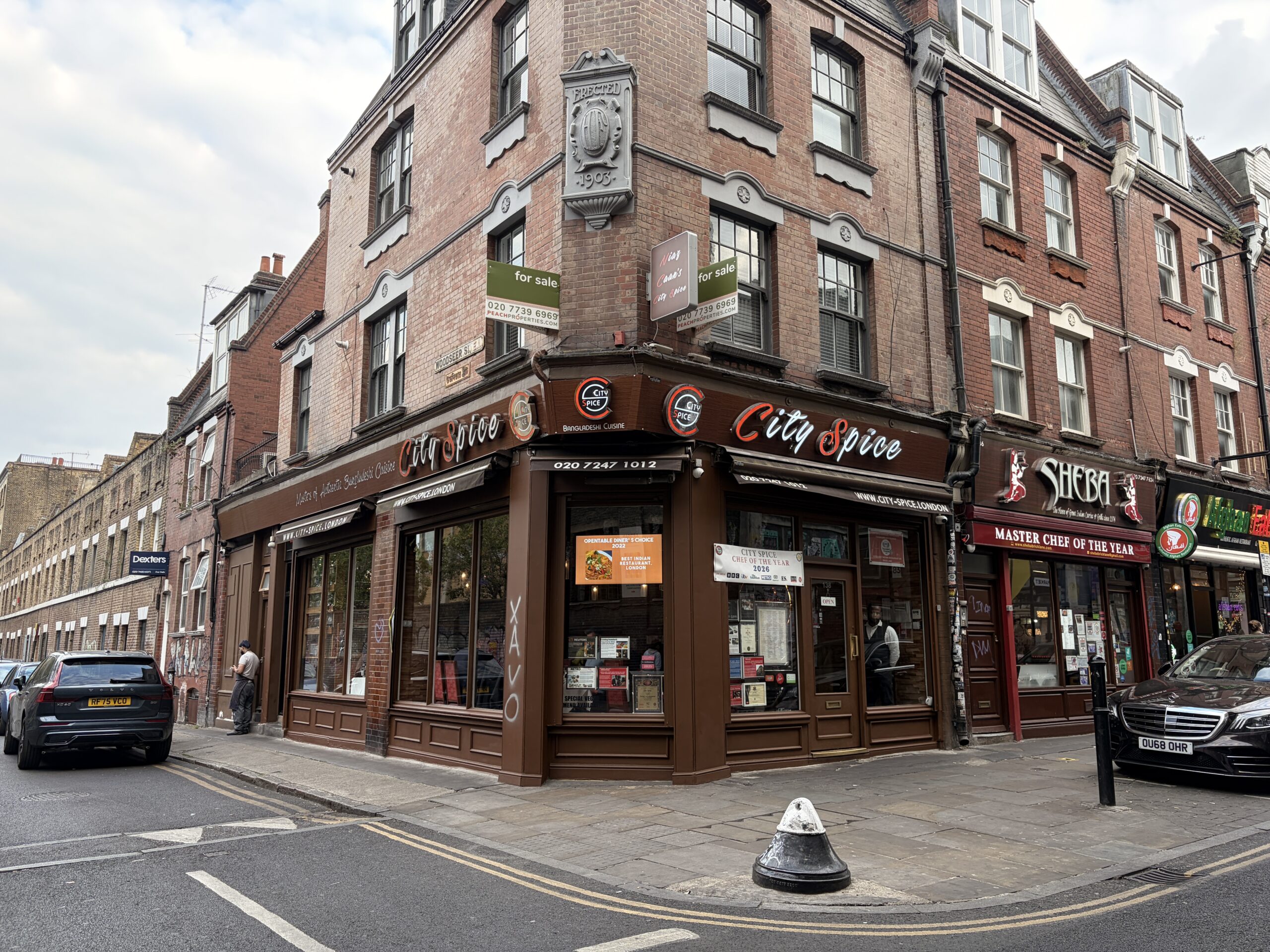
Established kitchens like City Spice demonstrate how an East London dining institution can successfully honour both traditions. By pairing celebrated tandoori sizzlers and classic curries with extensive vegan selections and authentic Bengali homestyle recipes, they cater to diverse modern preferences without losing their culinary heritage.
How to Plan Your Visit for the Best Experience
Timing your dinner correctly transforms your entire experience on the street.
Visiting on a Tuesday, Wednesday, or Thursday evening allows you to dine at a calm, unhurried pace. During these quieter mid-week nights, head chefs have more time to devote to complex preparations, and waitstaff can offer thoughtful recommendations based on your spice tolerance.
Friday and Saturday evenings offer an electrifying buzz, but the street becomes exceptionally busy. If you plan to visit on a weekend, booking a table in advance prevents long waits on the pavement. Reserving early also ensures that popular brick lane indian restaurants can seat your party comfortably without rushing your meal to clear tables.
Final Thoughts
Choosing where to eat along London’s most historic curry mile does not have to be a gamble. By looking beyond the theatrical pitches of street touts, diners can uncover kitchens with genuine culinary pedigree, exceptional spice balance, and authentic regional cooking. Taking the time to research kitchen credentials, seek out regional Bengali dishes, and bypass high-pressure street touts ensures you enjoy the true spirit of brick lane indian restaurants.