
The Complete Guide to Dining at an Indian Restaurant in Brick Lane
London’s East End is renowned for its rich tapestry of history, culture, and culinary diversity. At the very centre of this vibrant neighbourhood lies a street that has become synonymous with South Asian cuisine. For decades, locals, tourists, and food enthusiasts have navigated the bustling pavements of E1, drawn by the unmistakable aromas of toasted cumin, coriander, and garam masala. Sitting down for a meal at an Indian restaurant in Brick Lane is widely considered a culinary rite of passage for anyone visiting the capital.
However, the street is much more than just a collection of eateries; it is a living history of immigration and adaptation. To truly appreciate the experience, it helps to understand the historical context of the area, the regional origins of the dishes served, and the unique dining culture that defines the neighbourhood today.
The Historical Roots of London’s Curry Capital
The story of South Asian dining in the East End is inherently tied to the broader history of British immigration. Spitalfields and its surrounding streets have long served as a sanctuary for newly arrived communities. In the seventeenth century, French Huguenots established a silk-weaving industry here. By the nineteenth and early twentieth centuries, the area became home to a large Jewish community fleeing persecution in Eastern Europe.
In the latter half of the twentieth century, the demographic shifted again. Following the partition of India and the subsequent independence of Bangladesh, a significant number of Bengali immigrants—primarily from the Sylhet region in north-eastern Bangladesh—settled in the area. Many of these early arrivals found work in local factories and tailoring workshops, whilst others began opening small cafes to serve familiar, home-cooked food to their fellow expatriates.
Over time, these humble establishments evolved. Recognising a growing British appetite for spiced foods, entrepreneurial Sylheti owners adapted their menus, blending traditional cooking techniques with flavours tailored to the Western palate. This adaptation paved the way for the modern Indian restaurant in Brick Lane, establishing the area as the undisputed epicentre of British-Indian cuisine. Today, the vast majority of the establishments here are proudly owned and operated by British-Bangladeshi families, preserving a vital piece of London’s multicultural heritage.
The Unique Atmosphere and Dining Culture
Walking down the street on a Friday or Saturday evening is an experience that engages all the senses. The pavements are illuminated by neon signs, and the air is thick with the scent of tandoori spices. One of the most defining characteristics of the area is the lively atmosphere outside the venues. Diners are often greeted by charismatic staff members who stand outside, offering complimentary side dishes, percentage discounts, or free drinks to entice groups inside.
This friendly competition is a hallmark of the neighbourhood and adds a theatrical element to the evening. For those attempting to choose between the sheer volume of brick lane restaurants, this initial interaction often plays a decisive role in where they ultimately sit down to eat.
Another highly appealing aspect of dining in this part of London is the BYOB (Bring Your Own Booze) policy. Many establishments on the street do not hold alcohol licences, allowing patrons to bring their own wine, beer, or spirits for a very minimal corkage fee—and sometimes for free. This tradition has cemented the area’s reputation as an ideal destination for group dining, student societies, and budget-conscious food lovers who want a generous, flavourful meal without the premium markup on drinks.
Decoding the Menu: Classic Dishes and Regional Specialities
When you open the menu at a traditional establishment in this area, you will typically find an extensive list of dishes that cater to a wide variety of tastes. Understanding the nuances of these menus can significantly enhance your dining experience.
British-Indian Favourites
The cornerstone of most menus consists of the beloved British-Indian classics. These dishes were largely conceptualised in the UK to introduce South Asian spices to a milder European palate:
-
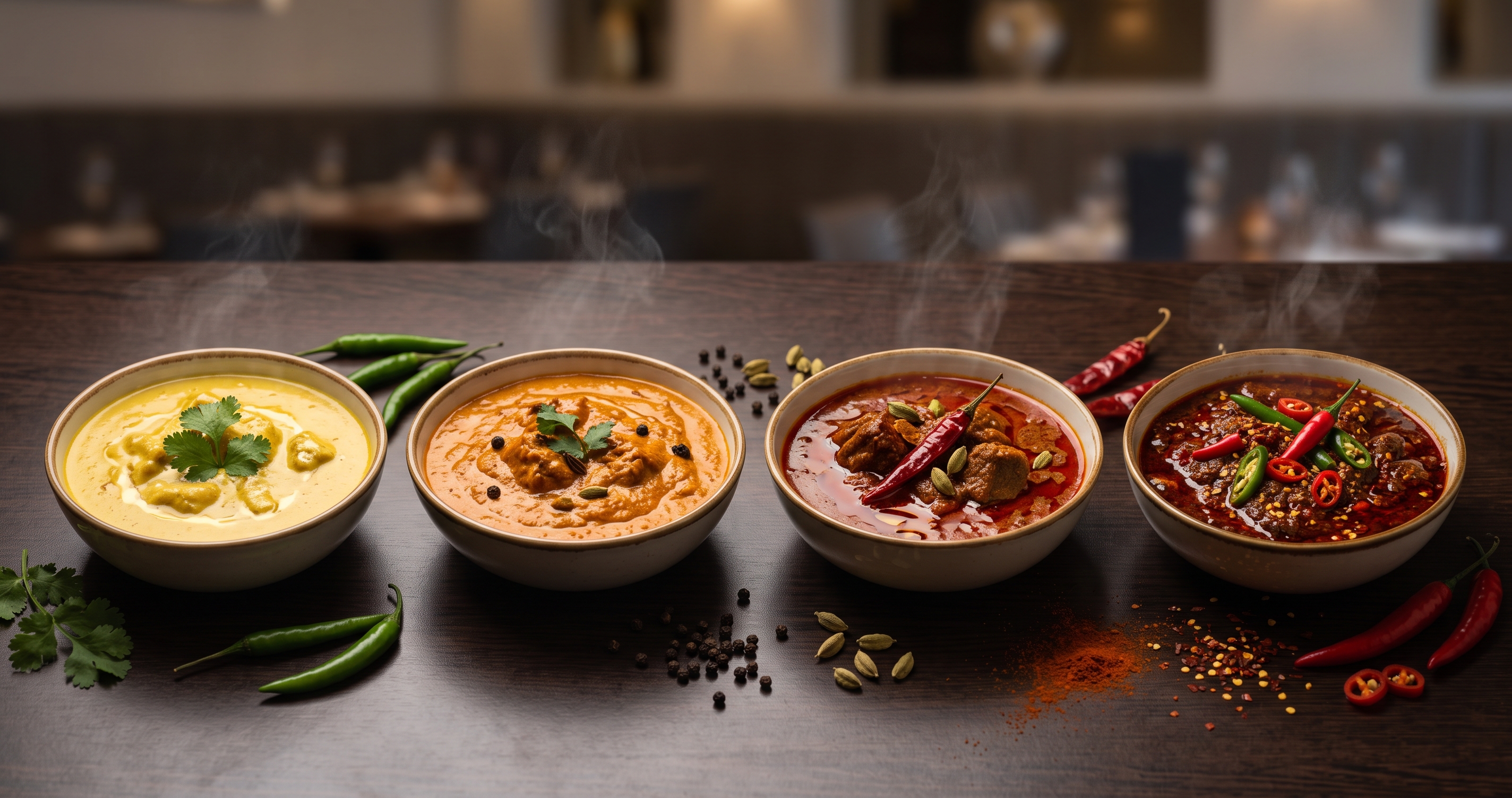
Chicken Tikka Masala: Often dubbed Britain’s true national dish, featuring roasted chunks of marinated chicken in a creamy, mildly spiced tomato sauce.
-
Korma: A rich, sweet, and mild dish prepared with coconut, cream, and almonds, ideal for those who prefer minimal heat.
-
Balti: Cooked and served in a thin, pressed-steel wok, offering a tangy, deeply savoury flavour profile that pairs perfectly with freshly baked naan bread.
-
Madras and Vindaloo: For those seeking higher spice levels, these robust, fiery curries utilise generous amounts of chilli, garlic, and tomato.
Authentic Sylheti and Bangladeshi Flavours
Beyond the familiar staples, the true culinary depth of an Indian restaurant in Brick Lane reveals itself in its regional specialities. Because of the heavy Sylheti influence, menus frequently feature distinct, authentic dishes that are rarely found in high street chains.
Look out for dishes featuring Shatkora, a unique citrus fruit native to the Sylhet region. It imparts a sharp, fragrant, and slightly bitter flavour that cuts through rich, slow-cooked lamb or beef beautifully. Seafood also plays a prominent role in Bengali cooking; whole pomfret, freshwater ayre fish, and king prawns are often prepared with mustard oil, green chillies, and fresh coriander, offering a lighter but intensely flavourful alternative to heavy meat curries.
For heat enthusiasts, dishes incorporating the infamous Naga chilli—one of the hottest chillies in the world—provide an intense, smoky heat that is completely distinct from the standard chilli powder used in a typical vindaloo.
Vegetarian and Plant-Based Excellence
South Asian cuisine is historically highly accommodating to vegetarian diets, and traditional curry houses in brick lane are no exception. Diners looking for plant-based options will find an abundance of choice. Rich, comforting bowls of Dal Makhani (black lentils slow-cooked with butter and cream), vibrant Saag Paneer (spinach with Indian cheese), and hearty Chana Masala (spiced chickpeas) serve as excellent main courses rather than mere side dishes. Furthermore, many chefs are happy to adapt vegetable side dishes like Bombay Aloo (spiced potatoes) or Bhindi Bhaji (okra) to be entirely vegan upon request.
How to Choose the Right Restaurant
With so many options clustered tightly together, selecting where to eat can feel overwhelming. To ensure you find an establishment that matches your culinary expectations, consider the following practical tips:
-
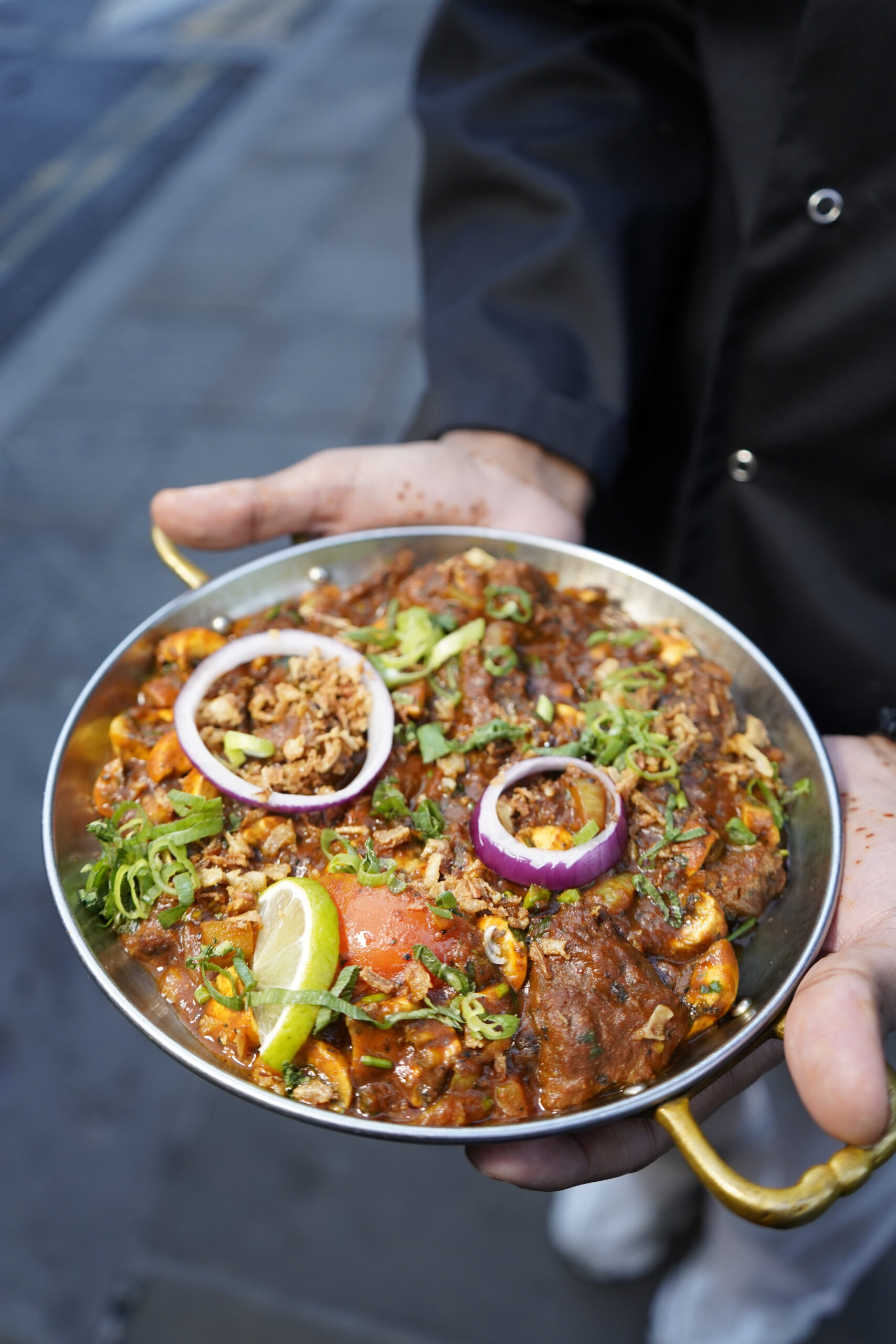
Look for Regional Specialities: The best kitchens often highlight their chef’s signature dishes. If a menu prominently features authentic Bangladeshi fish curries or slow-cooked regional lamb dishes alongside the standard tikka masala, it is usually a strong indicator of culinary pride and kitchen skill.
-
Observe the Clientele: A bustling dining room is always a positive sign. Look for places that attract a diverse mix of local regulars, families, and larger dining parties.
-
Engage with the Staff: Rather than simply accepting the first promotional deal offered on the pavement, ask the staff about their menu. Inquire about the chef’s recommendations or what makes their specific recipes unique. Genuine enthusiasm for the food is a great marker of quality.
-
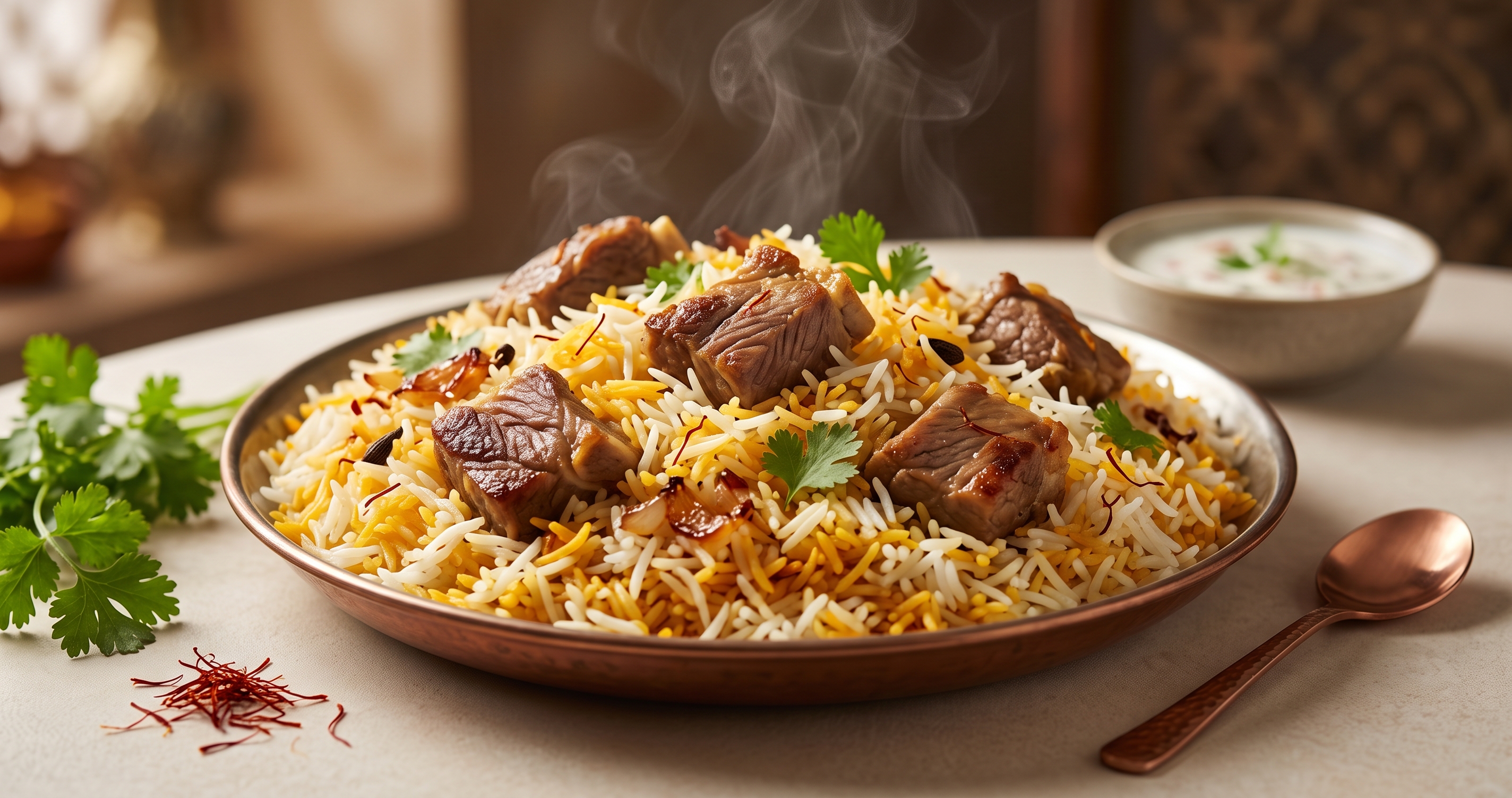
Check the Bread and Sundries: The quality of an establishment can often be judged by its sundries. Freshly baked, blistered naan bread straight from a traditional clay tandoor oven, alongside fragrant, perfectly separated basmati rice, demonstrates a kitchen’s attention to fundamental details.
The Enduring Appeal of the East End Dining Scene
The culinary landscape of East London is in a state of constant evolution. Over the past decade, the streets surrounding Spitalfields have welcomed an influx of artisan coffee shops, vintage clothing markets, high-end fusion eateries, and international street food vendors. Despite this rapid gentrification and shifting culinary trends, the traditional establishments have demonstrated remarkable resilience.
The survival of these businesses is a testament to the enduring appeal of the food they serve and the nostalgia associated with the neighbourhood. An established Indian restaurant in Brick Lane does not merely offer sustenance; it provides a cultural experience that connects modern Londoners to the rich, layered history of the East End. The combination of warm hospitality, complex spices, and the bustling, vibrant atmosphere of the street ensures that this area remains a vital, beating heart of London’s gastronomic scene.
Whether you are a lifelong Londoner returning to a favourite haunt or a first-time visitor eager to sample a genuine British-curry house experience, taking the time to explore these menus is highly rewarding. By venturing slightly beyond your usual order and embracing the regional flavours that built the street’s reputation, you can ensure that your meal is both delicious and culturally enriching.