
How Does Traditional Lamb Biryani Differ From Modern Restaurant Versions
Few dishes spark as much debate among food lovers as lamb biryani. Ask ten cooks how it should be made and you will likely get ten different answers, each rooted in family tradition, regional pride, and decades of kitchen wisdom. At City Spice, 138 Brick Lane, London, this conversation is personal. The restaurant is connected to Chef Niaz, whose Bengali heritage and years of hands-on experience shape a menu that respects old techniques while serving a modern dining room in Spitalfields. Understanding the difference between the traditional dum-style approach and the quicker methods used in many restaurants today helps diners appreciate exactly what they are eating, and why City Spice’s version stands apart on London’s most famous curry-house strip.
The Traditional Dum Cooking Method
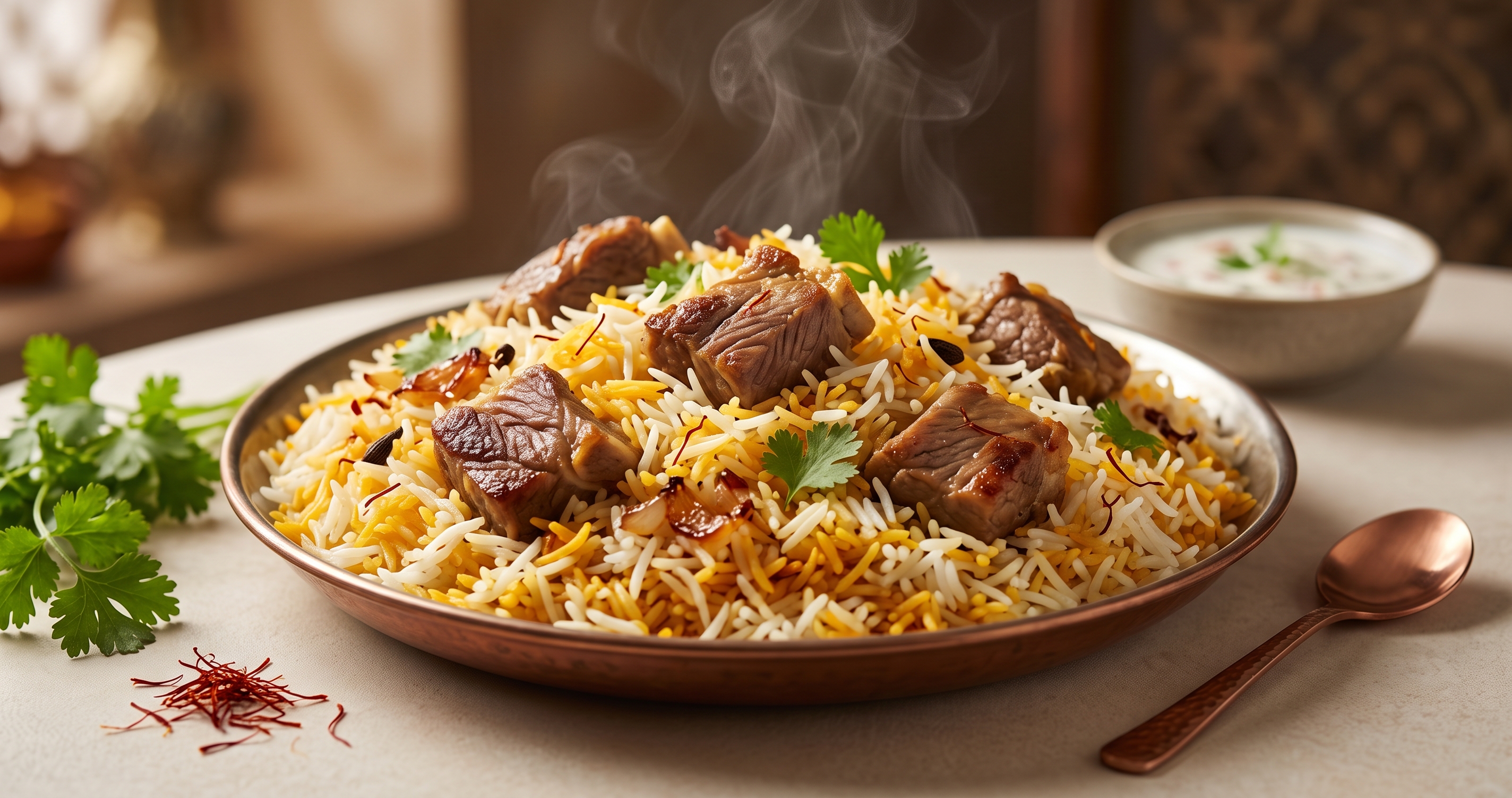
Classic biryani is built on the “dum” technique, a slow steam-cooking process where partially cooked rice and marinated meat are layered in a heavy pot, sealed tightly with dough or a fitted lid, and left to cook gently over low heat. This sealing traps steam and aroma inside the pot, allowing the rice and meat to finish cooking together rather than separately. The result is a dish where every grain absorbs the fragrance of the meat, spices, and herbs beneath it. This method can take hours from marination to plating, which is exactly why it was historically reserved for special occasions and celebrations rather than everyday meals.
Layering: The Heart of Authentic Biryani
Traditional biryani relies on careful layering rather than simple mixing. Par-boiled rice is spread in stages over the meat, with fried onions, saffron-infused milk, fresh herbs, and whole spices tucked between each layer. This structure means the top layer of rice differs slightly in colour and flavour from the bottom, creating a dish with texture and character in every spoonful. Modern kitchens working at speed often blend rice and meat together earlier in the process, which saves time but sacrifices some of that layered complexity that defines a truly traditional plate.
How Modern Restaurant Kitchens Adapt the Process
Restaurant kitchens serving hundreds of covers a night simply cannot dedicate hours to a single dish for one table. Many modern versions par-cook the meat and rice separately, then combine and finish them together over higher heat for a shorter period. Pressure cooking, faster reductions, and pre-prepared spice bases are common time-saving tools, allowing a busy kitchen to deliver a consistently good dish without asking guests to wait an hour or more for their order.
Spice Blending and Marination Time
In traditional cooking, meat is marinated for many hours, sometimes overnight, allowing yoghurt, ginger, garlic, and whole ground spices to fully penetrate the flesh before it touches heat. This long marination is a major reason traditional biryani tastes deeply seasoned throughout, not just on the surface. Faster modern preparations may shorten this window considerably, relying on a well-developed spice base added during cooking to deliver flavour more quickly. Both approaches can produce excellent results, but the depth achieved through long marination is difficult to replicate in a rushed timeline.
City Spice’s Approach to Lamb Biryani
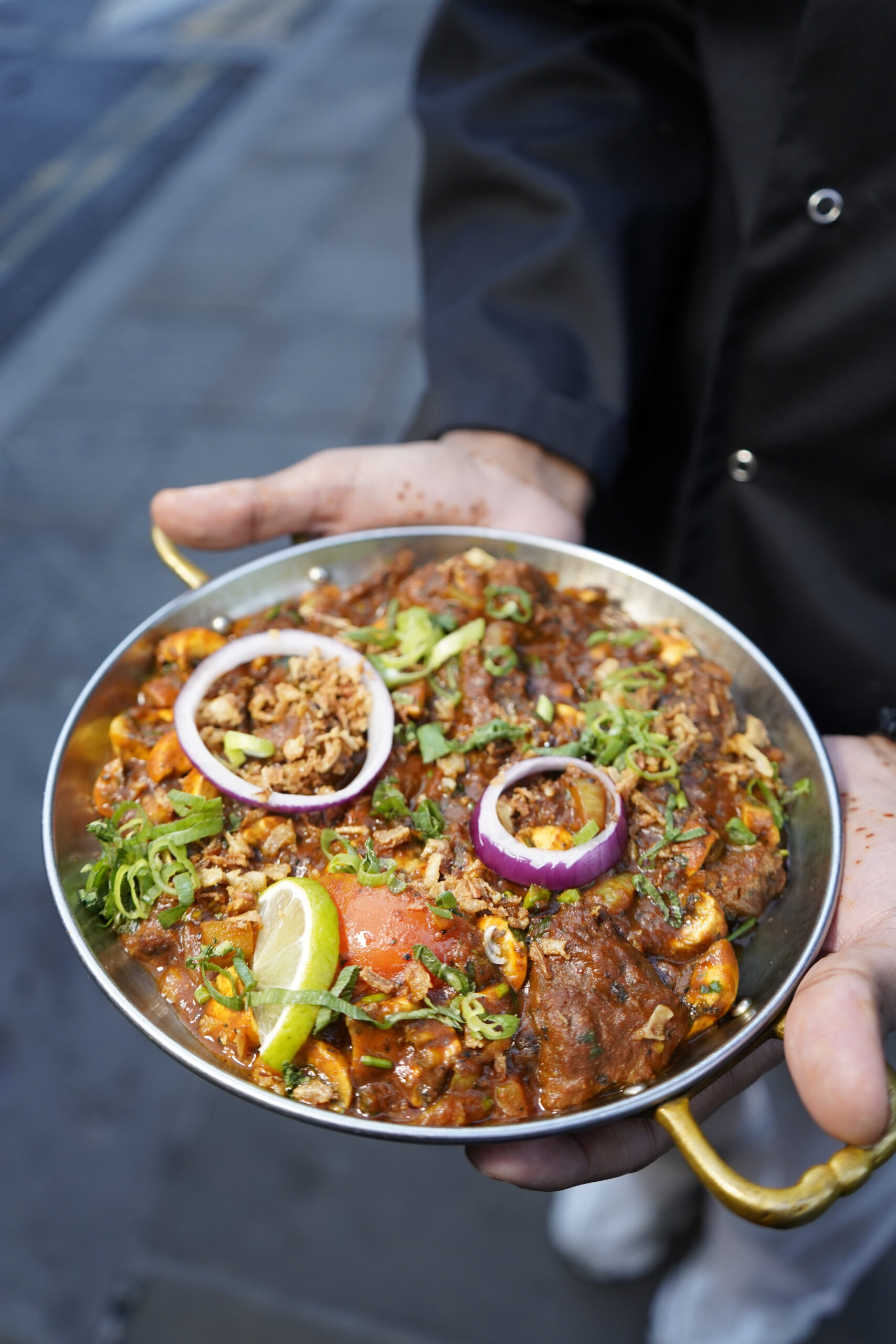
At City Spice, Chef Niaz brings a distinctive Bengali twist to the menu, and the kitchen’s lamb biryani sits proudly alongside the chicken biryani as one of the restaurant’s slow-cooked, layered rice classics. Rather than chasing speed at the expense of quality, the kitchen balances efficient service with techniques that honour the layering and seasoning traditions diners expect from an authentic dish. This is part of what has made City Spice an award-winning Indian Restaurant in Brick Lane, known for great customer service and a genuinely luxurious atmosphere in the heart of Banglatown.
Rice Selection and Texture Differences
Traditional biryani depends heavily on the quality and preparation of the rice itself, typically long-grain rice that is soaked and par-boiled precisely so each grain stays separate and fluffy rather than sticky. Overcooking at this stage ruins the dish entirely, which is why experienced cooks watch the rice closely. Some faster modern preparations use fully cooked rice added later in the process for convenience, which can affect the final texture. Getting this stage right is one of the clearest markers separating a carefully made biryani from a rushed one, and it remains a point of pride in kitchens that still take the time to do it properly.
Beyond Meat: Vegan and Dietary Considerations
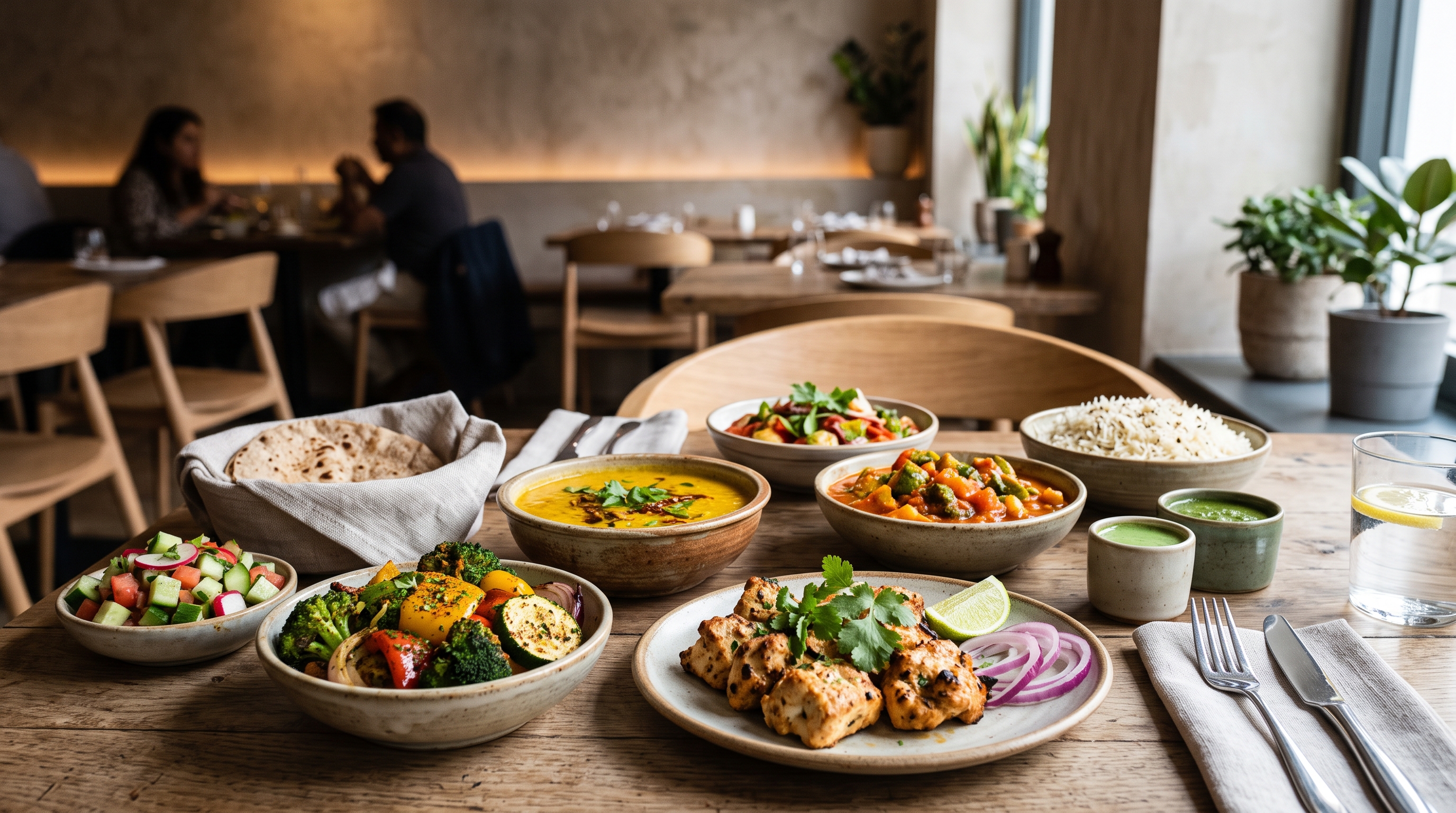
Biryani-style cooking is not limited to meat, and City Spice reflects this through its dedicated vegan curry menu, created when Michelin-inspired chef Rupert Rowley worked alongside Chef Niaz. City Spice was among the pioneers of vegan curry on Brick Lane, and dishes such as the aubergine dhal, slow-cooked okra, Shobji Kufta Bhujon, and the thali-style Shahi Sahakari, known as “The Vegan King,” showcase the same layered, spice-forward philosophy that defines the traditional lamb biryani. Every dish is clearly dietary tagged, with a dedicated vegan menu, gluten-free options across all dishes except breaded items, halal preparation, and a kitchen equipped to accommodate dairy, nut, soy, and other allergens.
Planning Your Visit: Hours, Location, and Private Dining
Anyone searching for Indian food near me in East London will find City Spice conveniently placed at 138 Brick Lane, E1 6RU, close to Shoreditch and Liverpool Street. The restaurant is open Monday from 12:30pm to 2:30pm and 5:30pm to 11:00pm, Tuesday to Thursday from 12:30pm to 11:00pm, and Friday, Saturday, and Sunday from 12:00pm to 11:45pm. For groups and celebrations, City Spice offers a private floor for up to 105 guests, Private Room A for up to 90 guests, semi-private table bookings for up to 130 guests, and full restaurant hire for up to 150 guests, making it a strong choice for weddings, corporate events, and family gatherings. Bookings and enquiries can be made by phone on +44 20 7247 1012, with private party bookings handled via abdulniaz@city-spice.london.
Final Thoughts
The difference between traditional and modern lamb biryani ultimately comes down to time, technique, and intention. Slow dum cooking, careful layering, and long marination produce a dish steeped in history and depth, while faster modern methods make it possible to enjoy that same spirit of biryani on a busy weeknight. City Spice bridges both worlds, drawing on Chef Niaz’s Bengali heritage and years of expertise to deliver a lamb biryani that respects tradition without losing sight of practical, modern hospitality. Whether you are a longtime biryani enthusiast or trying it for the first time, a visit to Brick Lane offers a genuine taste of what careful, thoughtful cooking can achieve.
FAQs
Q: What makes traditional lamb biryani different from modern restaurant versions?
A: Traditional biryani uses slow dum steaming, careful layering, and long marination, while modern versions often use faster cooking methods to serve guests more efficiently without abandoning core techniques.
Q: Does City Spice offer vegan options alongside its biryani dishes?
A: Yes, City Spice has a dedicated vegan curry menu created with Michelin-inspired chef Rupert Rowley, including dishes like aubergine dhal and the Shahi Sahakari thali platter.
Q: Is City Spice suitable for private events and large groups?
A: Yes, City Spice offers a private floor for up to 105 guests, Private Room A for up to 90 guests, semi-private bookings for up to 130 guests, and full restaurant hire for up to 150 guests.
Q: What are City Spice’s opening hours?
A: Hours vary by day, with Monday split into lunch and dinner service, Tuesday to Thursday open continuously from 12:30pm, and Friday through Sunday open from midday until 11:45pm.
Q: How do I book a table or private party at City Spice?
A: You can call +44 20 7247 1012 for general bookings or email abdulniaz@city-spice.london for private party enquiries at this Indian Restaurant in Brick Lane.