
How to Choose the Brick Lane Best Curry Like a Local
London’s East End holds a special place in the hearts of culinary enthusiasts, with its vibrant history and diverse cultural footprint. Among its many attractions, one street stands out as the undisputed capital of British-Bangladeshi cuisine. For decades, locals and tourists alike have flocked to this bustling stretch of Tower Hamlets in search of bold flavours, aromatic spices, and warm hospitality. However, with dozens of establishments sitting side by side, finding the Brick Lane Best Curry can feel like an overwhelming task for the uninitiated.
This comprehensive guide explores the rich culinary heritage of the area, highlights what to look for when selecting an authentic dining spot, and offers practical advice for navigating the diverse menus that make this corner of London so celebrated.
The Historic Roots of London’s Curry Capital
To truly appreciate the food, one must understand the history of the area. The street has long been a haven for immigrant communities, evolving through centuries of demographic changes. By the mid-20th century, a significant number of Bangladeshi immigrants, predominantly from the Sylhet region, began settling in the Spitalfields area. Moving away from the local textile industry, many of these entrepreneurial individuals opened cafes and eateries to serve their local community.
Over time, these modest cafes transitioned into the vibrant restaurants we see today. The cuisine evolved to suit the British palate, creating the distinctive Anglo-Indian curry house culture that remains a staple of the nation’s dining scene. Today, when you sit down to enjoy a meal here, you are participating in a rich cultural legacy that has defined London’s food landscape for generations.
What Defines the Best Curry House in Brick Lane?
With so much competition packed into a single street, identifying the best curry house in brick lane requires a discerning eye. Quality can vary, and knowing what signs to look for will significantly improve your dining experience.
Firstly, examine the menu for regional specialities. While every restaurant will serve the classic staples like Tikka Masala, Korma, and Madras, the true markers of an exceptional kitchen lie in their signature dishes. Establishments that proudly feature traditional Sylheti dishes—such as curries cooked with Shatkora (a bitter, fragrant citrus fruit native to Bangladesh) or fiery Naga chillies—are often where you will find the most authentic and expertly prepared food.
Secondly, observe the clientele. A restaurant bustling with a mix of local East End residents, seasoned food critics, and large family gatherings is usually a strong indicator of consistent quality. The finest establishments do not rely solely on foot traffic; they have built a loyal base of returning patrons who trust the kitchen’s consistency and culinary expertise.
Finally, consider the cooking methods. A premier curry house will pride itself on its tandoor oven. The meats should arrive at the table sizzling, bearing the distinct smoky char that only a traditional clay oven can provide, while breads like naan should be blistered, soft, and fresh to order.
Must-Try Dishes When Searching for the Brick Lane Best Curry
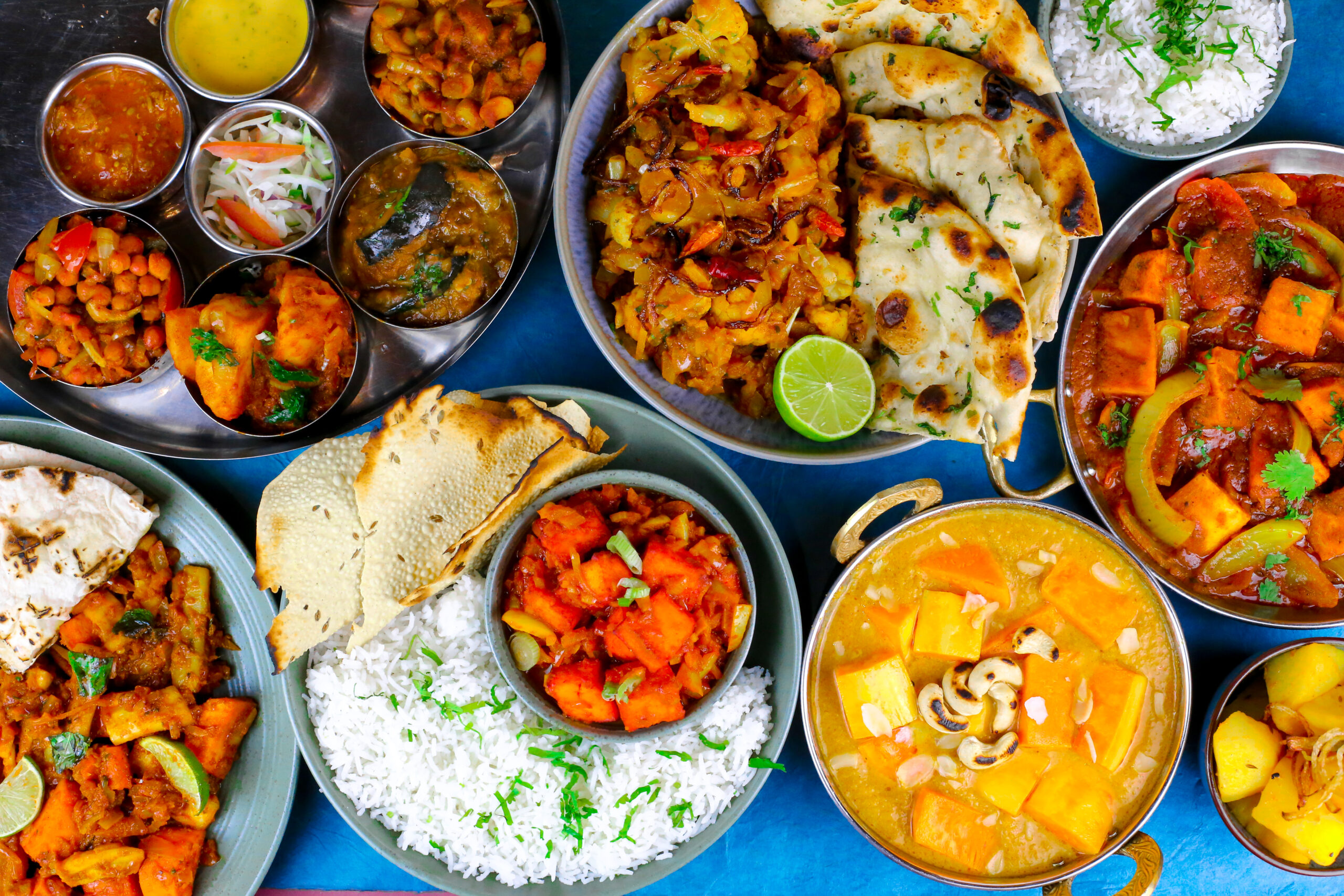
To experience the Brick Lane Best Curry, it is highly recommended to step outside your comfort zone and try dishes that showcase the true capability of the chefs.
1. Shatkora Dishes
As mentioned earlier, the Shatkora fruit is central to authentic Sylheti cooking. Often prepared with tender chunks of lamb or chicken, a Shatkora curry offers a unique flavour profile. It is deeply savoury, slightly bitter, and incredibly fragrant, providing a complex taste that you are unlikely to find in standard takeaway menus across the rest of the UK.
2. Korai (Karahi) Specialities
Named after the cast-iron wok in which it is cooked and served, the Korai is a robust, thick curry made with plenty of fresh garlic, ginger, onions, and capsicums. The high-heat cooking method ensures the vegetables retain a slight crunch, while the sauce clings thickly to the meat or paneer. It is a hearty, deeply satisfying option.
3. Dhansak
For those who enjoy a balance of sweet, sour, and spicy flavours, the Dhansak is a masterpiece. Originating from the Parsi community but perfected in British curry houses, this dish is cooked with a rich lentil base, providing a thick, comforting texture. A squeeze of fresh lemon juice just before eating elevates the dish perfectly.
4. Fresh Seafood Curries
Given the riverine geography of Bangladesh, fish is a massive part of the traditional diet. A high-quality restaurant on this street will often feature whole pomfret, tilapia, or tiger prawns marinated in turmeric and mustard oil, then simmered in a rich, spicy bhuna sauce.
Plant-Based Dining and Dietary Requirements
The evolution of modern dining means that traditional restaurants have had to adapt to changing dietary preferences. While you might typically search for a completely vegan indian restaurant london to satisfy plant-based cravings, the traditional establishments lining this historic East End street are exceptionally well-equipped to cater to vegan diets.
Indian and Bangladeshi cuisines are inherently friendly to vegetarians and vegans, relying heavily on lentils, chickpeas, spinach, aubergines, and potatoes. When navigating the menus, look for classic vegetable side dishes that can easily be upsized to main portions.
A standard vegetable Bhuna, traditional Tarka Daal (ensure they use oil rather than ghee), Chana Masala, or Saag Aloo are completely plant-based and packed with complex spices. Furthermore, many of the top-tier restaurants now offer dedicated vegan menus, utilising ingredients like jackfruit and tofu to replicate the texture of meat in their signature sauces. You do not need to compromise on traditional atmosphere to enjoy excellent plant-based food.
Navigating the Street: Etiquette and Advice
A defining characteristic of visiting this area is the presence of street promoters, commonly known as touts. Standing outside their respective establishments, these individuals are employed to entice passers-by with offers of complimentary drinks, percentage discounts, or free side dishes.
While engaging with touts can sometimes yield a genuine bargain, the general consensus among seasoned London diners is to do your research beforehand. The restaurants serving the Brick Lane Best Curry rarely need to rely on aggressive street promotion, as their reputation and advance bookings keep their dining rooms full. Establishments with strong local renown—whether they are historic institutions or highly-rated modern favourites—let their food speak for itself. It is entirely acceptable to politely decline the touts and walk purposefully to your chosen destination.
The Importance of Sides and Sundries
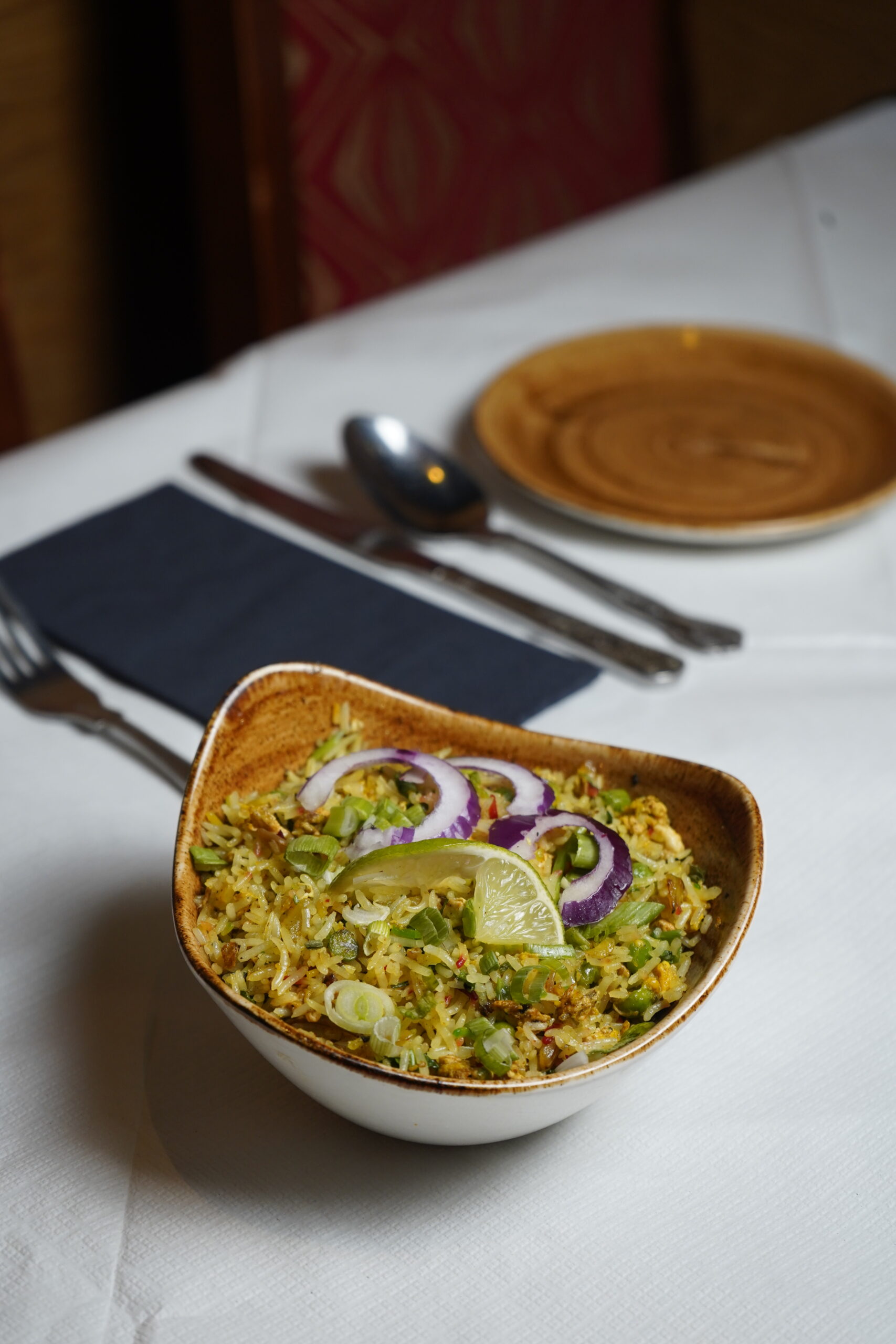
No curry experience is complete without the correct accompaniments, and judging a restaurant by its sundries is a standard practice for food critics. The rice should be fragrant, separate, and fluffy—a well-executed Pilau rice, infused with cardamom, cloves, and bay leaves, is a joy in itself.
Breads are equally crucial. A Peshwari naan, stuffed with coconut, sultanas, and almonds, provides a beautiful sweet contrast to a spicy Madras or Vindaloo. Alternatively, a simple garlic and coriander naan, fresh from the tandoor and glistening with a light brush of butter (or oil for vegans), is the perfect vessel for scooping up rich, thick sauces.
To drink, standard etiquette leans towards a crisp, cold lager, which cuts through the heavy spices and refreshes the palate. However, for a more traditional accompaniment, a mango lassi offers a cooling, yoghurt-based contrast that is particularly effective if you have ordered a dish with significant heat.
Final Thoughts
Embarking on a culinary journey through London’s East End is a rite of passage for anyone living in or visiting the capital. The sheer density of dining options means that the title of the best curry house in brick lane is fiercely contested, keeping standards exceptionally high.
Whether you are seeking a fiery regional speciality, a comforting classic, or simply soaking up the vibrant, bustling atmosphere of the street, taking the time to look beyond the immediate tourist traps pays off immensely. By seeking out authentic menus, understanding the regional dishes, and appreciating the deep-rooted history of the area, you are guaranteed to find an exceptional meal.