
The Enduring Appeal and Culinary Evolution of Curry Houses on Brick Lane
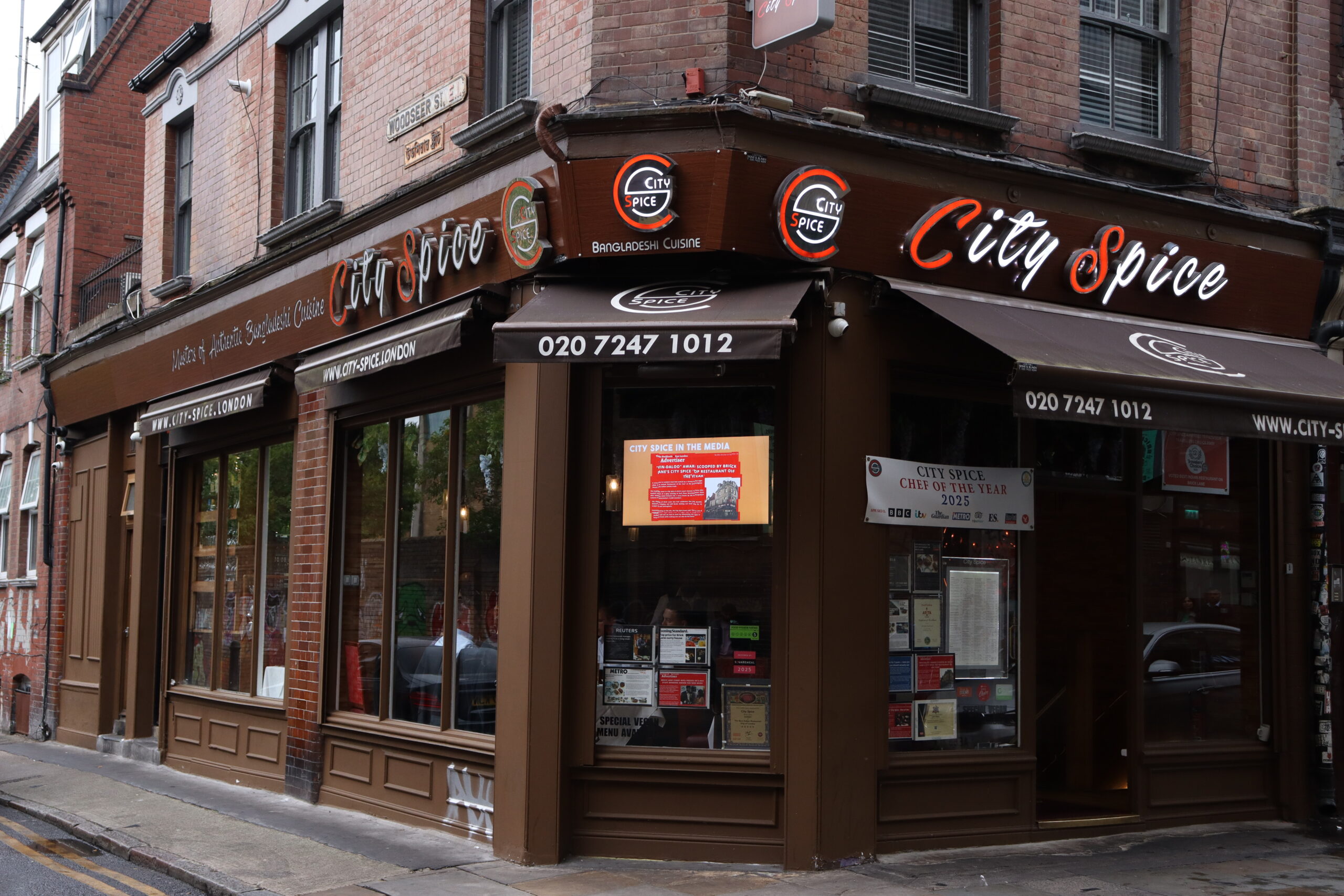
Brick Lane, stretching through the heart of Spitalfields in London’s East End, is a street steeped in centuries of migration, cultural shifts, and culinary innovation. Affectionately known as Banglatown, the area is globally recognised for its vibrant South Asian community and its high concentration of traditional curry establishments. For decades, the Curry Houses on Brick Lane have served as the undisputed epicentre of British-Bangladeshi dining, drawing tourists, late-night revellers, and dedicated foodies to their neon-lit storefronts.
However, the culinary landscape of the East End is rarely static. As diner preferences shift towards regional authenticity, health-conscious eating, and plant-based diets, the traditional British curry house is undergoing a fascinating evolution. Understanding the history and the future of these iconic establishments provides a unique window into London’s broader dining culture.
A Brief History of London’s Curry Capital
To appreciate the significance of the area, one must look back at the history of East End immigration. Brick Lane has historically been a safe haven for newly arrived communities, from French Huguenots in the 17th century to Jewish immigrants in the 19th and early 20th centuries. By the mid-20th century, a new wave of immigration began to shape the neighbourhood.
Many of these new arrivals were Sylhetis from the northeast region of what is now Bangladesh. Originally working as lascars (sailors) on British merchant ships, many settled in London and found work in the catering and hospitality sectors. By the 1970s and 1980s, the Sylheti community had successfully established a distinct dining format: the British curry house.
The Curry Houses on Brick Lane were instrumental in popularising a specific style of cooking adapted for the British palate. Dishes were rich, heavily spiced but often less fiery than their authentic subcontinent counterparts, and heavily reliant on dairy and meat. This era saw the invention and popularisation of dishes like Chicken Tikka Masala, a mildly spiced, creamy tomato-based dish that would eventually be dubbed a British national dish.
The Traditional Brick Lane Experience
For many years, a visit to this part of East London was defined by a very specific set of rituals. The street itself is famous for its enthusiastic front-of-house staff—often referred to as ‘touts’—who stand outside their respective establishments, actively negotiating with passersby. Deals offering free poppadoms, complimentary side dishes, or discounts on the final bill have long been part of the competitive theatre of the street.
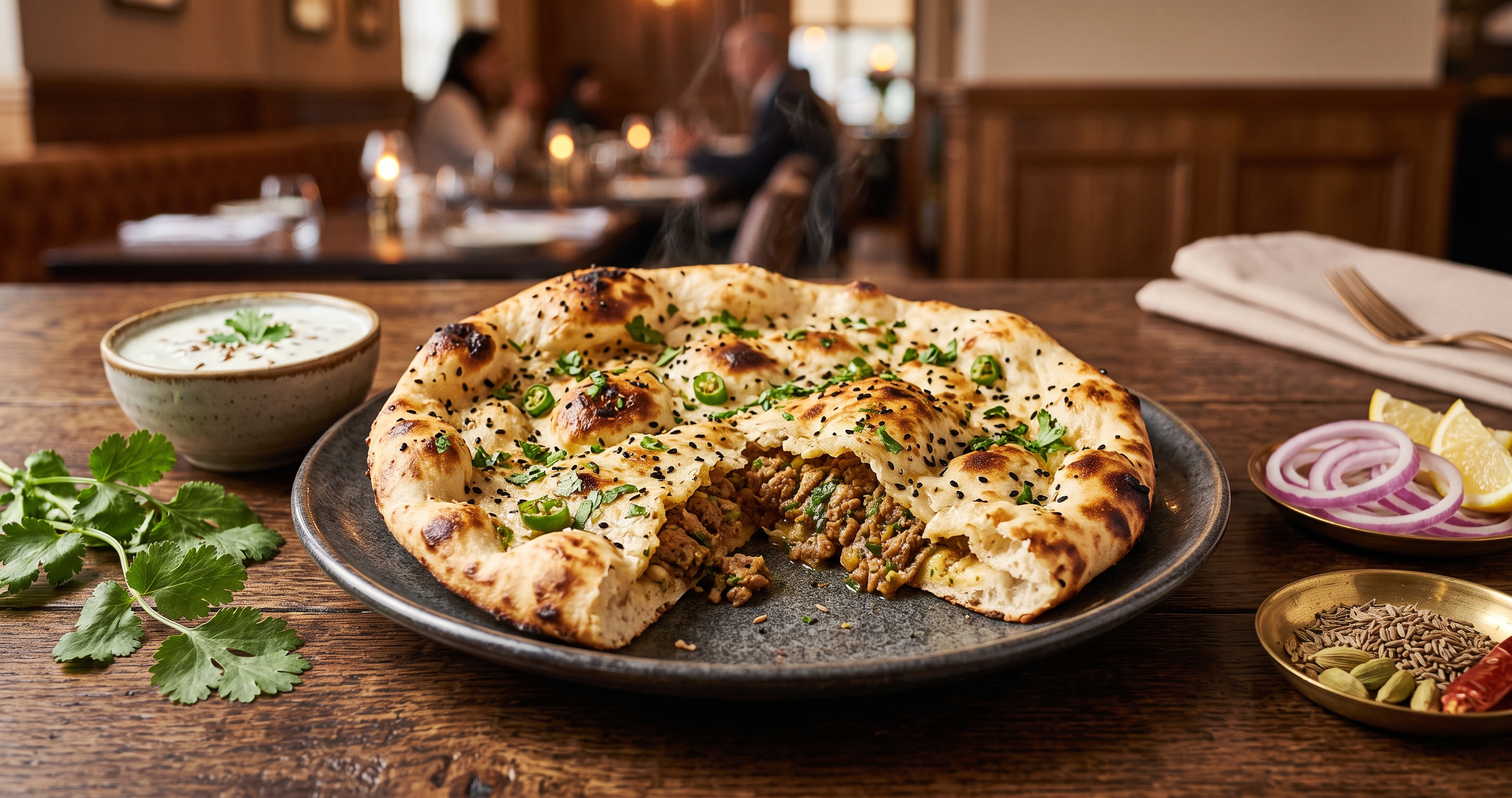
The menus within traditional Curry Houses on Brick Lane typically follow the classic British Indian Restaurant (BIR) model. This culinary technique relies heavily on a master ‘base gravy’—a lightly spiced, heavily reduced onion, garlic, and ginger sauce. When an order is placed, chefs ladle this base gravy into a hot pan, rapidly adding specific spice blends, meats, and vegetables to create different dishes in mere minutes. This is how a single kitchen can efficiently offer an expansive menu featuring everything from a mild Korma to a blistering Phaal.
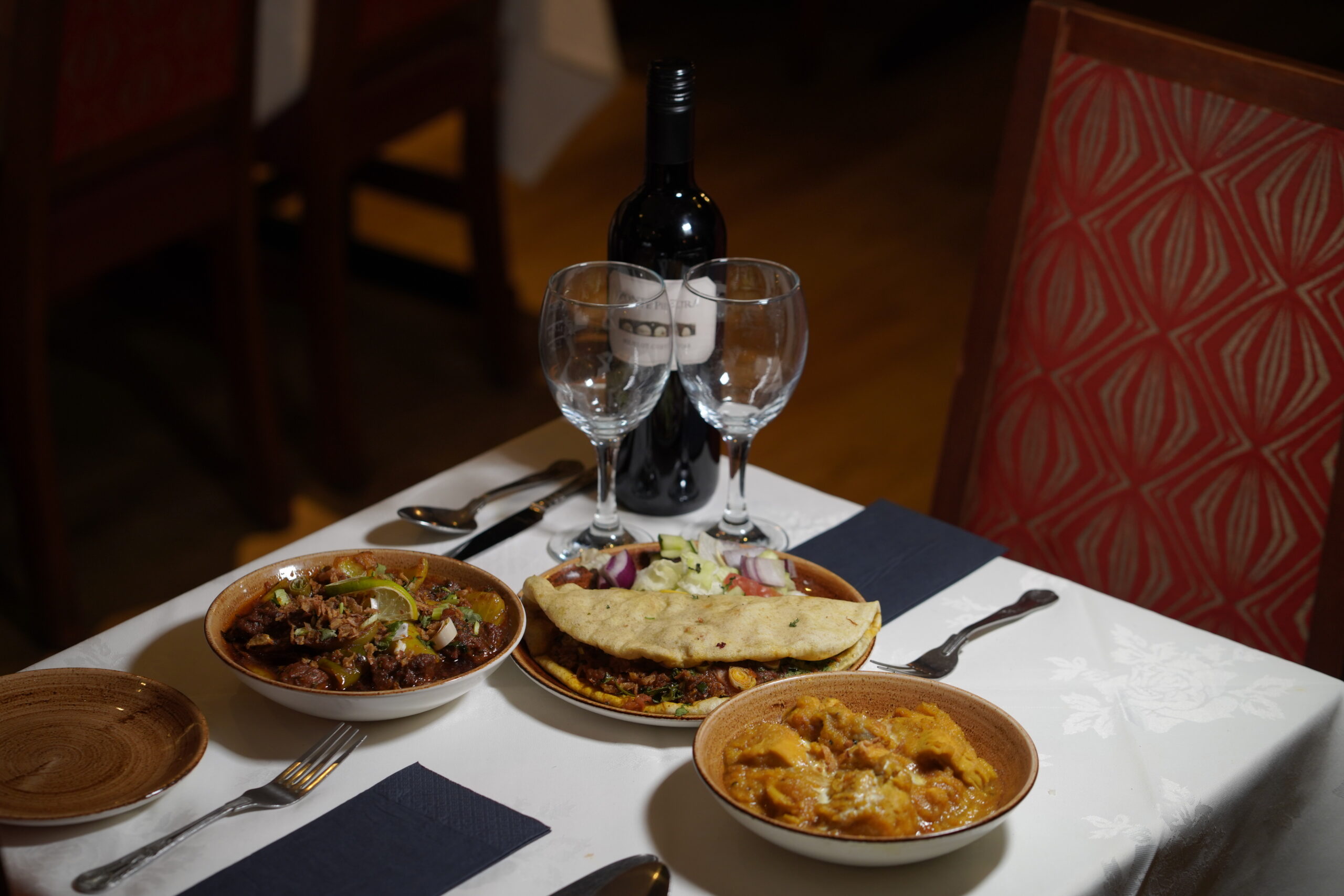
Furthermore, the ‘Bring Your Own Booze’ (BYOB) culture became synonymous with these establishments. Because acquiring alcohol licences in the area was historically difficult and expensive, many restaurateurs allowed diners to bring their own beer and wine. This made dining out incredibly affordable, cementing the street’s reputation as a prime destination for large group celebrations and student gatherings.
The Changing Face of East End Dining
Despite their historical dominance, the traditional Curry Houses on Brick Lane have faced significant challenges in recent years. Gentrification in the Spitalfields and Shoreditch areas has led to rising commercial rents, pushing out some long-standing family businesses. Furthermore, the modern British diner is changing.
Where previous generations sought out the heavy, comforting familiarity of a generic meat curry, modern diners are increasingly looking for regional specificity. There is a growing appetite for authentic street food, South Indian dosas, Keralan fish curries, and Gujarati thalis. Diners want to know the regional origins of their food, moving away from the Anglicised menus of the past.
As a result, surviving establishments on the strip are actively modernising. Many are trimming down their famously massive menus to focus on higher-quality, regionally accurate dishes. The décor is shifting from the flocked wallpaper and heavy carpets of the 1990s to exposed brickwork and contemporary lighting, matching the aesthetic of the trendy coffee shops and natural wine bars that now share the postcode.
The Plant-Based Revolution in South Asian Cuisine
One of the most significant shifts in UK dining over the last decade has been the rapid rise of veganism and flexitarianism. Historically, British curry houses were heavily focused on chicken, lamb, and prawn dishes, often using ghee (clarified butter) and heavy cream in their sauces. However, South Asian cuisine inherently possesses one of the richest and most diverse vegetarian traditions in the world.
As dietary habits evolve, the demand for plant-based options has skyrocketed. Today, when searching for a high-quality vegan Indian restaurant London based foodies often turn to the East End to see how traditional chefs are adapting. Instead of relying on artificial meat substitutes, the best kitchens are returning to their roots, elevating naturally vegan ingredients like lentils, chickpeas, aubergines, and jackfruit.
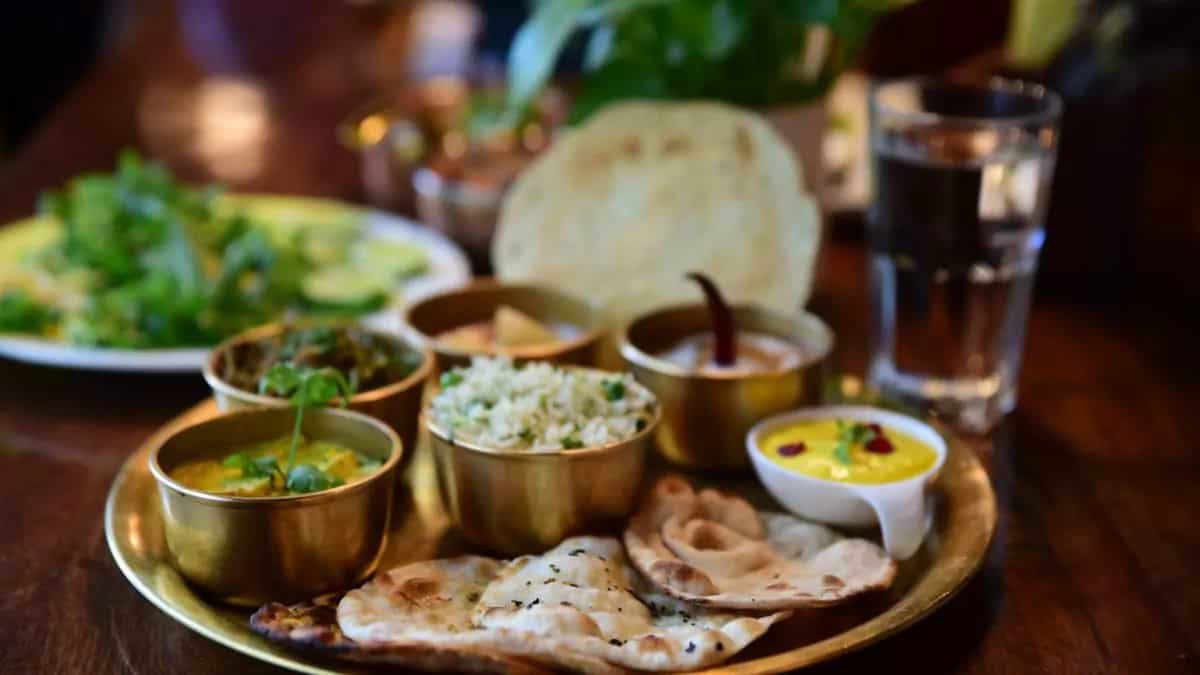
Dishes such as Tarka Daal (tempered lentils), Chana Masala (spiced chickpeas), and Baingan Bharta (smoky roasted aubergine) have moved from being mere side dishes to highly requested main courses. Chefs are substituting dairy cream with coconut milk and swapping ghee for vegetable oils to ensure their traditional recipes meet modern dietary requirements.
While a dedicated London vegan restaurant might focus on westernised plant-based junk food or salads, the Indian and Bangladeshi restaurants adapting to this trend offer something entirely different: deeply comforting, historically rooted, and intensely flavourful meals that just happen to be completely free of animal products.
How to Choose the Right Restaurant
With dozens of options lining the street, choosing where to eat can feel overwhelming for first-time visitors. The key to finding a great meal often involves looking past the initial spectacle of the street.
-
Look for Shorter Menus: A restaurant offering 150 different dishes is likely relying heavily on a single base gravy. Establishments that have curated a smaller, more focused menu are often cooking dishes with distinct, individual flavour profiles.
-
Seek Regional Specialties: Look for menus that highlight specific regional cuisines, such as Sylheti fish dishes (like Shatkora, which uses a bitter citrus fruit native to Bangladesh) or South Indian vegetarian options.
-
Engage with the Staff: Rather than taking the first discount offered on the pavement, speak to the waiters about the chef’s signature dishes. Asking for recommendations off the beaten path often yields a far superior dining experience.
-
Check for Dietary Transparency: If you are specifically looking for plant-based food, check how clearly the menu is labelled. A kitchen that takes pride in its vegan offerings will usually highlight them clearly, making it easier to find an excellent vegan Indian restaurant London experience without leaving the traditional curry strip.
Final Verdict
The narrative that Brick Lane is losing its identity is overly simplistic. While it is true that the sheer number of traditional curry houses has diminished since their peak in the early 2000s, the quality of food in the area is arguably higher than ever.
The remaining Curry Houses on Brick Lane are those that have successfully navigated the delicate balance between preserving their rich cultural heritage and adapting to a fiercely competitive modern food scene. They are proving that traditional hospitality can sit comfortably alongside contemporary culinary trends.
Whether you are seeking a nostalgic, classic British-Bangladeshi dining experience with a bottle of shop-bought lager, or you are on the hunt for a progressive London vegan restaurant experience infused with authentic subcontinental spices, the East End continues to deliver. Brick Lane remains a vital, dynamic, and delicious cornerstone of London’s culinary heritage, continuing a centuries-old tradition of feeding the city with warmth, spice, and character.