
An Insider Guide to the Best Indian Restaurants Brick Lane Has to Offer
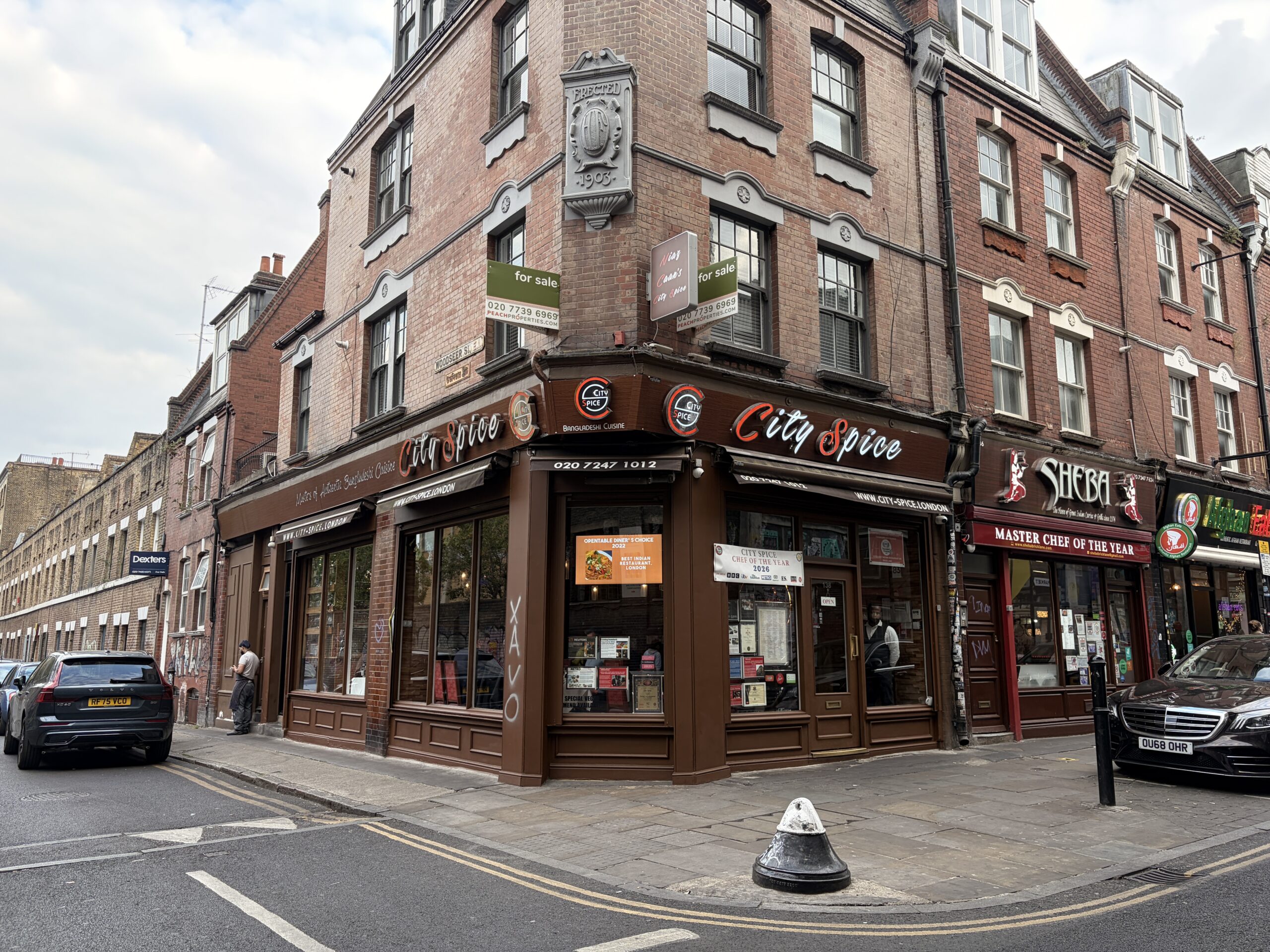
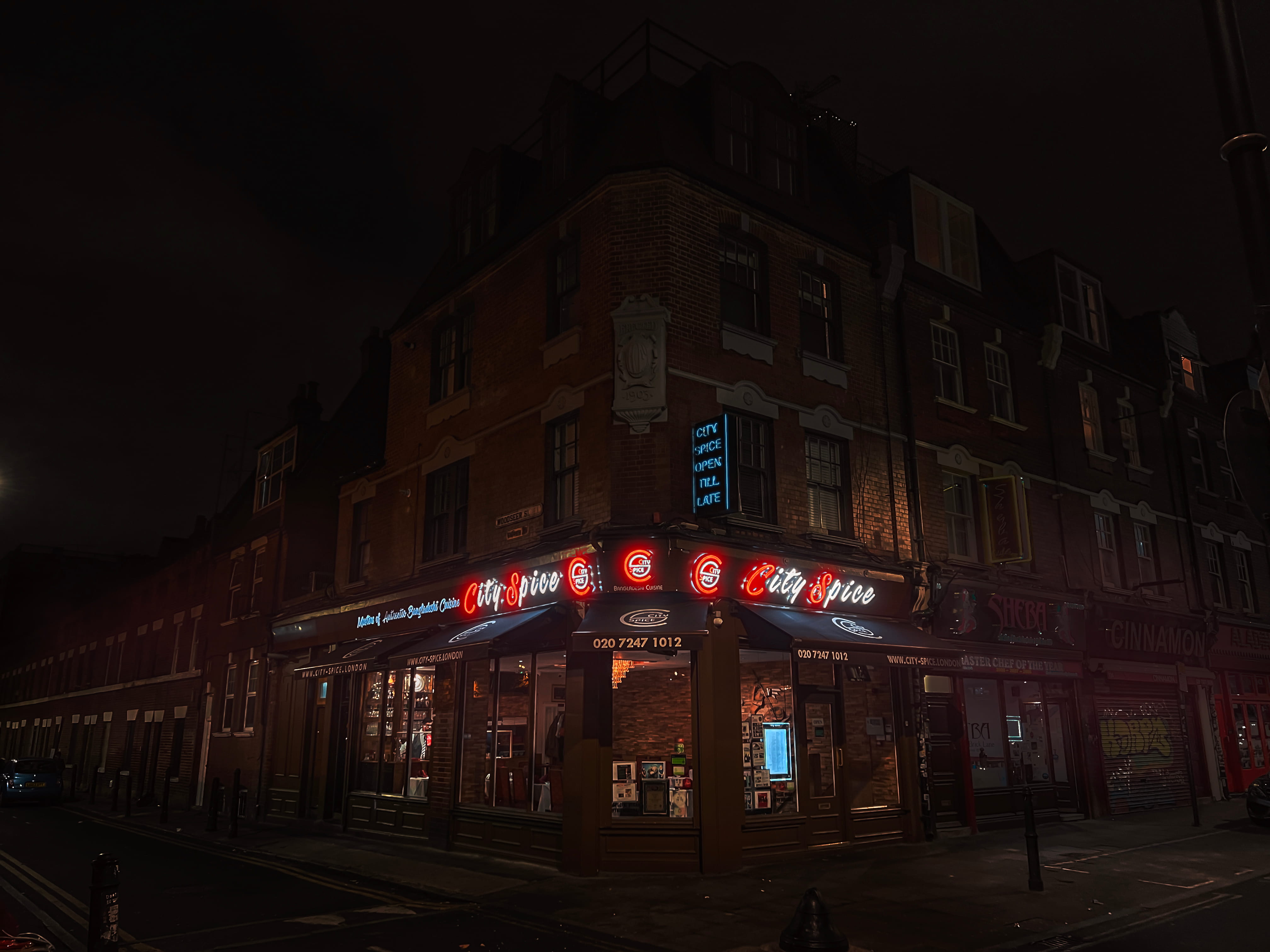
Running through East London’s vibrant E1 district, Brick Lane remains one of the United Kingdom’s most iconic culinary thoroughfares. For generations, this bustling strip has served as the spiritual home of British-South Asian dining, attracting hungry Londoners, suburban day-trippers, and international visitors. Yet with dozens of dining rooms packed closely together, deciding where to spend your evening can feel daunting. Pinpointing the best indian restaurants brick lane accommodates requires an appreciation of authentic kitchen craft and a willingness to look past theatrical street promotions.
A memorable meal in this historic East End quarter is about much more than standard high-street takeaways. It is about understanding the regional traditions, generational techniques, and immigrant heritage that transformed this corner of Tower Hamlets into an internationally renowned dining hub. By evaluating menu authenticity, spice preparation, and dining atmosphere, you can easily discover an exceptional meal that honours the area’s rich culinary roots.
The Cultural Roots of London’s Historic Curry Mile
To appreciate the dining scene along Brick Lane, one must first understand its cultural heritage. While British diners historically categorised these venues under the broad umbrella of Indian dining, the culinary foundation here is predominantly rooted in the Sylhet division of northeastern Bangladesh.
During the mid-twentieth century, Sylheti seamen—historically referred to as lascars—settled in East London communities near the docks. Modest canteens and lodging houses opened to serve these maritime workers comforting meals of rice, lentils, and spiced fish. As local textile manufacturing expanded across Spitalfields and Whitechapel, these family-run eateries opened to the wider public.
Over subsequent decades, these kitchens adapted family recipes to local palates while preserving authentic South Asian cooking techniques. This historic quarter soon earned an international reputation as a prime destination for anyone in search of the best curry in london. Today, Brick Lane dining represents a fascinating blend of Sylheti heritage, Mughlai banqueting traditions, and classic British Indian Restaurant cooking. Understanding this context helps diners appreciate the distinctive regional craft behind each kitchen.
Navigating the Strip: Pavement Touts and Menu Integrity
Walking down Brick Lane from Bethnal Green Road towards Osborn Street, visitors immediately encounter the street’s famous pavement touts. Standing outside venue entrances, these energetic promoters pitch to passers-by, promising significant discounts, complimentary poppadoms, or free bottles of lager.
While this street theatre adds energy to the neighbourhood, experienced diners recognise that aggressive doorstep pitches rarely indicate top-tier cooking. Establishments relying heavily on deep discounts often depend on rapid customer turnover rather than slow, attentive preparation. High volume frequently leads commercial kitchens to rely on pre-cooked generic base gravies lacking depth, freshness, and nuance.
Discerning visitors soon realise that uncovering the best indian restaurants brick lane maintains today means trusting kitchen pedigree rather than street-level sales pitches. When selecting where to dine, look for these reliable markers of quality:
- Focused Regional Menus: Avoid venues offering endless pages of near-identical curries. Kitchens with concise selections generally prepare distinct spice blends and gravies for each individual dish.
- Visible Kitchens and Tandoor Ovens: Venues featuring open kitchen passes or visible clay tandoors demonstrate genuine transparency and pride in fresh cooking.
- Local Diners: A dining room filled with South Asian families and regular neighbourhood patrons is the most dependable sign of authentic flavours and fair pricing.
- Clear, Upfront Pricing: Reputable venues print their prices clearly outside and on tables, avoiding ambiguous verbal deals that lead to unexpected additions on the final bill.
Regional Dishes to Seek Beyond High-Street Staples
For years, typical UK curry house orders revolved around familiar standards such as chicken tikka masala, korma, or vindaloo. While these dishes remain popular comfort food, the premier kitchens along Brick Lane offer a far more adventurous spectrum of regional Bengali and North Indian flavours.
A defining quality shared by the best indian restaurants brick lane showcases is a kitchen brigade willing to prepare regional sauces from scratch rather than relying on a universal pre-cooked base. When selecting a distinguished indian restaurant brick lane diners recommend, examining the chef’s speciality list reveals whether a kitchen takes genuine pride in regional heritage.
Adventurous diners should watch for several standout regional specialities:
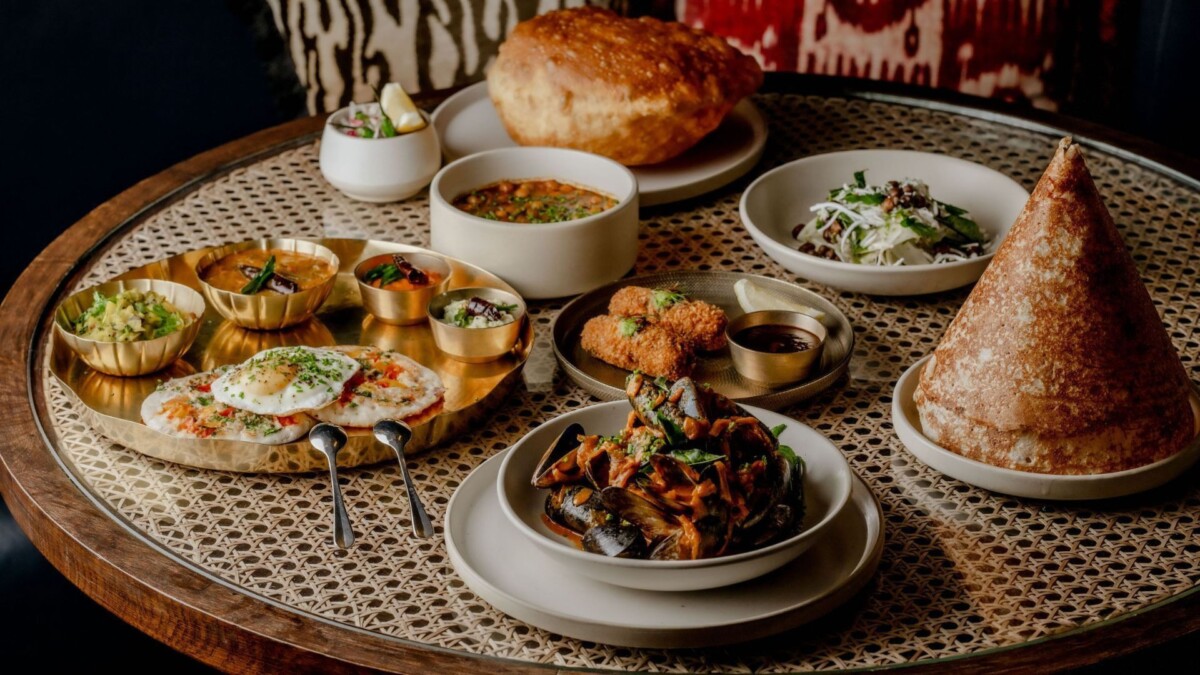
- Shatkora Curries: Shatkora is an aromatic wild citrus fruit native to Sylhet. Simmered with tender beef, mutton, or chicken, the thick rind imparts an exquisite citrus aroma with a gentle, pleasing bitterness that balances rich, savoury sauces.
- Bengali Freshwater Fish Curries: Traditional Bengali cuisine is renowned for river fish. Look for freshwater fish such as Rupchanda or Boal, lightly pan-fried in mustard oil before simmering with turmeric, green chillies, kalonji seeds, and fresh coriander.
- Slow-Braised Nihari and Shank Curries: Originating in royal Mughlai kitchens, these dishes feature lamb shanks or beef cuts simmered gently on the bone until fork-tender, yielding a silky sauce infused with cardamom, cloves, and fresh ginger.
- Clay-Oven Tandoori Grills: Superior establishments marinate lamb chops, chicken thighs, and king prawns in yoghurt, garlic, ginger, and roasted cumin before blistering them over intense tandoor heat.
- Hand-Crafted Breads: Pillowy naans should arrive hot and blistered from the clay oven, from savoury garlic and coriander to sweet peshwari filled with coconut, sultanas, and almonds.
Dining Atmosphere: BYOB Traditions, Licensing, and Hospitality
A defining pillar of the Brick Lane experience is its enduring Bring Your Own Bottle (BYOB) culture. Historically, many establishments operated without an alcohol licence, inviting patrons to bring their own wine, beer, or cider with either free corkage or a modest fee per head.
This policy helped establish Brick Lane as one of London’s most accessible dining quarters. Local off-licences along the street cater directly to diners, stocking chilled Indian lagers alongside popular wines. Experiencing the lively social character of the best indian restaurants brick lane houses often hinges on embracing this long-standing BYOB tradition, which keeps dinner bills refreshingly reasonable.
In recent years, the street has also welcomed fully licensed venues featuring contemporary interiors, craft beers, and creative cocktails infused with cardamom, tamarind, and pink peppercorns. For non-drinkers, traditional beverages provide ideal pairings. Freshly blended mango lassis offer cooling relief from chilli heat, while freshly brewed pots of spiced masala chai provide the perfect aromatic finish to a rich meal.
Practical Advice for Planning Your Brick Lane Visit
Making the most of an evening in East London requires modest planning. Brick Lane is easily accessible via public transport, situated within a short walk of three key stations:
- Aldgate East Station (District, Hammersmith & City lines): Positions you at the southern entrance of Brick Lane, directly beside the primary cluster of curry houses.
- Shoreditch High Street Station (London Overground): Brings you into the northern end, ideal for browsing independent vintage shops before dinner.
- Liverpool Street Station (Elizabeth, Central, Circle lines, and Rail): A major transport hub situated just a ten-minute walk to the west.
Rather than stepping inside impulsively on a busy Saturday night, reserving a table at an indian restaurant brick lane regulars frequent ensures an unhurried dining pace and attentive service. Peak hours on Friday and Saturday fall between 7:30 pm and 9:30 pm, when queues form quickly outside popular venues.
Visiting on a weekday evening or for a late Sunday afternoon meal provides a noticeably calmer atmosphere. Visiting during quieter weekday hours also gives head chefs the time to balance spice blends to order, delivering what many consider the best curry in london.
Final Thoughts
Brick Lane remains a dynamic, sensory celebration of East London’s enduring multicultural character. While food trends evolve and London’s dining scene continues to grow, tracking down the best indian restaurants brick lane has preserved remains an essential East End rite of passage.
By steering clear of pavement hyperbole, seeking out authentic regional Bengali cookery, and enjoying the relaxed hospitality that defines the neighbourhood, you will enjoy a memorable meal that honours decades of British-South Asian culinary history.