
What to Expect from Traditional Service at Brick Lane Curry Houses
Traditional service at Brick Lane curry houses follows a familiar rhythm: a warm welcome, poppadoms and a pickle tray while you read the menu, a waiter who helps you balance heat and dishes, shared plates arriving together, and a relaxed finish. It is attentive but informal. Knowing the steps helps you order better and enjoy the evening more.
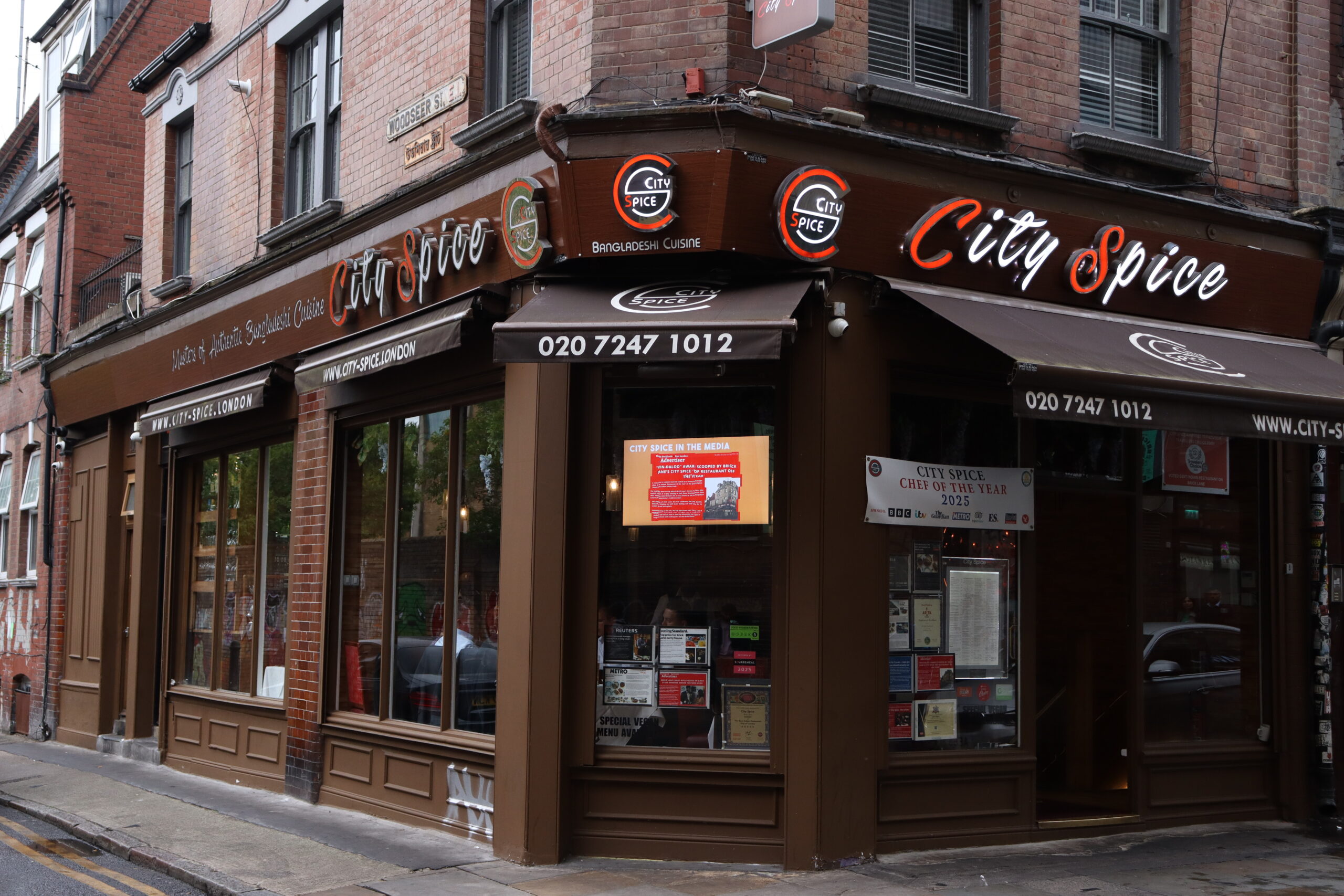
We work the floor and the kitchen at City Spice every week, and much of what follows is simply what we do, and why we do it.
Where did the Brick Lane style of service come from?
The Curry Houses on Brick Lane were built largely by Bangladeshi families, many with roots in Sylhet, who settled in this corner of the East End from the 1970s onwards. Plenty of them had worked in restaurant kitchens before opening their own places.
The service style they created was practical. Small, family-run dining rooms. A host who doubled as a waiter. Menus organised by sauce and heat so that British diners, many eating Indian food for the first time, could navigate them. The pickle tray, the poppadoms and the steady flow of conversation from staff all grew out of the same idea: make strangers comfortable quickly.
That hospitality is still the heart of it. The format has been copied in curry houses across the country, but the street where it was refined still does it with a particular ease.
What happens when you arrive at Brick Lane curry houses?
Here is the sequence you can expect at most traditional kitchens on the street, including ours.
- The welcome. You will be greeted at the door and seated. On a busy night, staff may ask whether you have booked; if not, they will tell you honestly how long a wait might be.
- Drinks and poppadoms. These usually arrive first. Poppadoms are thin lentil-flour wafers, either fried, which makes them puff and blister, or roasted over a flame for a drier, smokier crunch.
- The pickle tray. Typically mango chutney, lime pickle, a chopped onion salad and a mint yoghurt sauce. Each does a job: sweet, sour and salty, sharp and raw, cool and creamy. Try a little of each on a broken shard of poppadom.
- Ordering. Your waiter takes the full order at once: starters, mains, rice and breads. Ask questions here. This is where good service earns its keep.
- Starters. Served together, often on sizzling plates if they come from the tandoor.
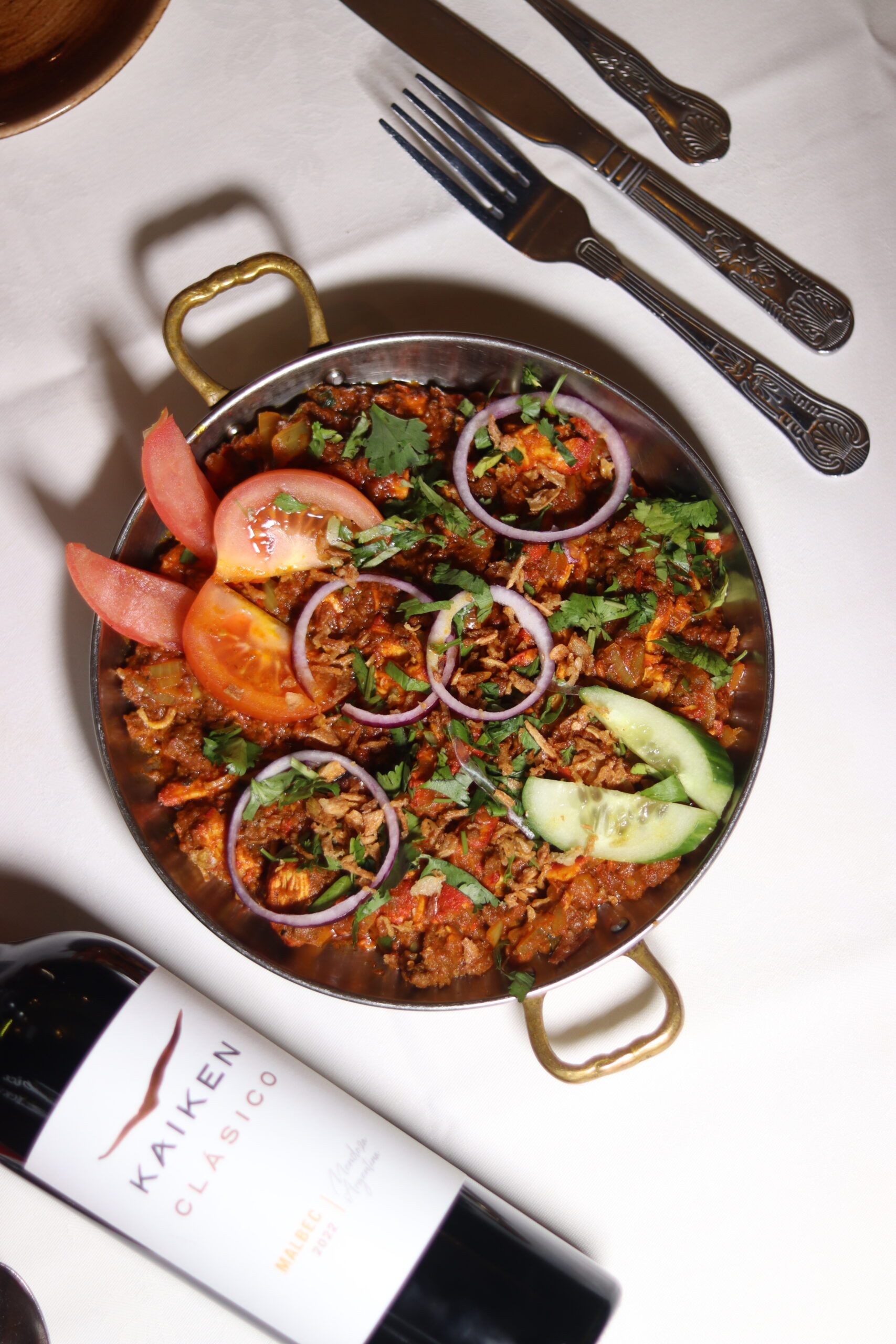
- Mains. Brought at the same time and placed in the middle of the table, usually on hot plates or warmers so the sauces stay at temperature.
- The finish. Plates cleared, perhaps a dessert or a hot drink, then the bill.
Why are poppadoms and pickles served first?
Partly tradition, partly good sense.
A curry kitchen cooks to order. Tandoori dishes need their time in the clay oven, where temperatures can climb above 400°C at the walls, and a sauce finished properly in the pan takes a few minutes too. Poppadoms give you something to do with your hands and your appetite in the meantime.
They also prepare your palate. The lime pickle, cured in salt and oil for weeks, delivers a hit of bitterness and sourness that wakes up the taste buds. The mint yoghurt, with its fat and acidity, primes you for the heat ahead. In our kitchen we think of the tray as a quick tour of what is coming: sweet, sour, hot and cooling, all on one plate.
One tip. Do not fill up on them. Two poppadoms each is plenty if you want to enjoy what follows.
How should you order with your waiter?
A good waiter on Brick Lane is part guide, part translator. Use them.
Tell them three things: how hungry you are, how much heat you enjoy, and whether anyone has dietary needs. From there they can steer you to a balanced spread. A rough guide we use with tables is one starter per person or a shared platter, one main per person plus one extra for the table, one rice between two, and one bread between two.
Heat is where most people go wrong. Menus often list dishes from mild to hot, but heat is also adjustable. If you love the flavour of a dish but fear its chilli level, ask whether the kitchen can make it milder. Most traditional kitchens build each sauce in the pan for each order, so that is usually possible.
Here is a quick reference for what to tell the team:
| If you want… | Say something like…
|
|---|---|
| Gentle warmth | “Mild, please, but with plenty of spice flavour” |
| A noticeable kick | “Medium heat” |
| Proper fire | “As hot as the chef cooks it” |
| No dairy or meat | “Is this dish vegan, or can it be?” |
How does City Spice handle vegan and vegetarian guests?
This is where traditional service has had to evolve, and we are proud of how we have done it.
People looking for a vegan Indian restaurant London diners can trust often worry that they will be handed a short list of side dishes. At City Spice we have a dedicated vegan curry menu that Chef Niaz created with Michelin-inspired chef Rupert Rowley. It includes dishes such as Chowle Achar, aubergine dhal, Shobji Kufta Bhujon and the thali-style Shahi Sahakari platter.
Our tandoor is used for vegetables as well as meat, so vegan and meat-eating guests can share a grill course without compromise. When you order, tell your waiter about any allergy or dietary need clearly. Traditional service relies on that conversation; we would far rather ask a question twice than get it wrong.
Chef Niaz’s cooking carries a Bengali twist, and Bengali food has always given vegetables serious attention. That background makes the vegan menu feel natural to us rather than an add-on.
What about drinks, the bill and tipping?
Some restaurants on Brick Lane are unlicensed and have historically allowed diners to bring their own drinks; others hold a full licence. Policies vary from door to door, so always ask the restaurant before you arrive rather than assuming.
At the end of the meal, you may be offered a hot drink or a small sweet. When you ask for the bill, check whether a service charge has been added. In the UK this is usually discretionary, and you are free to ask about it.
A note on the street itself. Some Brick Lane curry houses have long had staff on the pavement inviting passers-by in. If you have already chosen where to eat, a polite “we’ve booked, thank you” is all you need.
Frequently Asked Questions
Are poppadoms free on Brick Lane?
It varies by restaurant. Some include them, while others charge for poppadoms and the pickle tray, so check the menu or ask your waiter when you sit down.
Do Brick Lane curry houses serve food all at once?
Starters are served together first, then all the mains arrive together for the table to share. This is the traditional format and suits group dining.
Can I ask for a curry to be made milder?
In most kitchens that cook sauces to order, yes. Ask when ordering and explain how much heat you enjoy so the chef can adjust the chilli.
Is City Spice a good choice for a vegan Indian meal in London?
City Spice has a dedicated vegan curry menu developed by Chef Niaz and chef Rupert Rowley, with dishes such as aubergine dhal and the Shahi Sahakari platter. Vegetables are also cooked in the tandoor.
Can I bring my own wine to Brick Lane restaurants?
Some restaurants allow it and some do not. Always check with the restaurant directly before your visit.
Final Thoughts
The best thing about traditional service at Brick Lane curry houses is that it makes you feel looked after without fuss. Poppadoms arrive, someone talks you through the menu, and the table fills with dishes to share. If you want to experience that rhythm with cooking rooted in Bengali tradition, we would be pleased to welcome you at City Spice, 138 Brick Lane.