
Exploring the Rich Variety of Breads at Brick Lane Curry Houses
The breads at brick lane curry houses fall into three families: tandoor-baked (naan, kulcha), griddle-cooked (roti, chapati, paratha) and deep-fried (puri, luchi). Each has a different texture and a different job. Pick soft, leavened naan for rich gravies, thin roti for drier dishes, and flaky paratha when you want the bread to be a dish in itself.
Most people order bread on autopilot. From where we stand at the tandoor every evening, that habit leaves a lot on the plate.
What breads will you find at Brick Lane curry houses?
Most menus along the lane are built from a handful of doughs, worked in different ways.
| Bread | Flour | Leavening | Cooking method | Texture | Best with
|
|---|---|---|---|---|---|
| Naan | White (maida) | Yeast or yoghurt | Tandoor wall | Soft, blistered, chewy | Creamy or rich gravies |
| Tandoori roti | Wholemeal (atta) | None | Tandoor wall | Firm, slightly smoky | Tandoori grills, dals |
| Chapati | Wholemeal (atta) | None | Tawa griddle, then flame | Thin, soft, light | Everyday curries, vegetables |
| Paratha | Wholemeal or mixed | None, laminated with fat | Tawa, shallow-fried | Flaky, layered, rich | Dry dishes, bhajis, kebabs |
| Puri / luchi | Atta (puri) or maida (luchi) | None | Deep-fried | Puffed, crisp then soft | Potato curries, dals |
| Kulcha | White | Yeast or baking powder | Tandoor or tawa | Pillowy, often stuffed | Chickpea curries |
The same flour can give you three completely different breads. It is the heat source and the amount of fat that decide the result.
How is naan cooked in a tandoor, and why does it blister?
A tandoor is a clay oven, traditionally fuelled with charcoal, and the inside wall gets far hotter than any domestic oven. The air in the pit can run well past 400°C. Our chefs stretch each ball of dough into a teardrop, dampen the back, and slap it against the wall using a cushioned pad. It sticks because the wet dough grips the hot clay.
Then things move fast. Water in the dough flashes to steam, gas bubbles expand, and the surface puffs into charred blisters. A naan is usually done in well under two minutes, then brushed with butter or ghee and sent straight to the pass.
Two details matter more than people think:
- Resting the dough. Gluten needs a few hours to relax. Rushed dough springs back and bakes tough.
- Moisture. Naan dough is wetter than chapati dough, and that water creates the steam pockets.
The teardrop shape comes from gravity pulling the dough down the vertical wall as it bakes.
Roti, chapati and paratha: what is the difference?
Chapati is the everyday bread of countless South Asian homes: atta, water and salt, rolled thin and cooked on a hot iron tawa. When the cook lifts it onto an open flame for a few seconds, trapped moisture turns to steam and the chapati balloons. That puff means the two layers have separated, which keeps it tender.
Tandoori roti uses a similar dough baked on the tandoor wall. Without yeast or yoghurt it comes out firmer and nuttier, with a smoky edge.
Paratha is where fat comes in. The dough is rolled, brushed with ghee or oil, folded, and rolled again, sometimes several times. Each fold traps a thin film of fat between layers of dough. On the tawa, the fat stops the layers fusing, so the bread cooks into flaky sheets. Same principle as puff pastry.
In Bengal, paratha is often called porota, and with a spiced vegetable dish it is real comfort food for our team.
Why do Bengali breads like luchi matter on Brick Lane?
Brick Lane’s restaurant story is closely tied to the Bangladeshi and Bengali families who settled in Spitalfields, and that heritage shows up in bread. Chef Niaz cooks with a Bengali twist, so this one is personal for us.
Luchi is the Bengali cousin of puri. The key difference is the flour. Puri usually uses wholemeal atta and comes out golden and slightly nutty. Luchi uses refined white flour, often enriched with a little ghee or oil rubbed into it, and is fried at a moderate heat so it stays pale. The result is a soft, delicate, almost white bread that puffs into a full sphere.
Why does it puff? When the thin disc hits the oil, the surface sets almost instantly while the water inside turns to steam with nowhere to go. A gentle press with a slotted spoon helps it inflate evenly.
Luchi with a simple potato curry or dal is a classic Bengali breakfast and festival dish. Not every kitchen on the lane makes it, so ask.
Which bread should you order with which curry?
This is where good ordering beats habit. Some practical rules from our kitchen:
- Rich, creamy gravies (kormas, makhani-style dishes): naan. Its soft, open crumb soaks up sauce without falling apart.
- Dry or semi-dry dishes (bhuna, tandoori grills, vegetable stir-fries): roti or paratha. You need a bread with structure to pick up pieces, not to mop.
- Thin dals and lentil dishes: chapati or rice. Heavy breads can overwhelm a delicate dal.
- Hot curries: plain naan or plain roti. A garlic or cheese naan adds more competing flavour when your palate is already busy with chilli.
- Sharing tables: order one leavened and one unleavened bread for contrast.
On a long meal, order bread in two rounds. A naan that has sat for fifteen minutes loses its steam and stiffens.
Are naan breads vegan or dairy-free?
Often, no. Many naan recipes use yoghurt or milk in the dough and are brushed with butter or ghee after baking. Some kitchens add egg for richness. Plain chapati and tandoori roti, made with just atta, water and salt, are much more likely to be suitable, as long as they are not finished with ghee.
At City Spice, our dedicated vegan curry menu was created by Chef Niaz together with Michelin-inspired chef Rupert Rowley, with dishes such as Chowle Achar, aubergine dhal, Shobji Kufta Bhujon and the thali-style Shahi Sahakari platter. If you eat vegan, tell our team and we will point you to the breads made without dairy that day. Every bread here is wheat-based, so gluten-avoiders should ask too.
How do you find great bread when searching for Indian food near me?
If you are standing on the street typing Indian food near me into your phone, the bread is a surprisingly good test of a kitchen. A few signs to look for:
- The tandoor is in use. Charcoal-fired breads have a flavour an electric oven cannot copy.
- Breads arrive hot and puffed. A naan that lands flat and pale was either underheated or held too long.
- The menu goes beyond naan. A kitchen that offers roti, paratha and perhaps a regional bread is usually making dough fresh rather than buying it in.
- Staff can explain the difference. A confident answer about what is in the dough is a good sign.
For anyone working in the City and looking for Indian Liverpool Street options, Brick Lane is a short walk east from the station, and it is one of the best places in London to compare these breads side by side over a single evening.
Key Takeaways
- Breads at brick lane curry houses come in three families: tandoor-baked, griddle-cooked and deep-fried, each with its own texture.
- Naan blisters because steam and gas expand rapidly against the very hot clay wall of a tandoor.
- Paratha is flaky because layers of fat stop the dough from fusing, much like puff pastry.
- Match soft naan to rich gravies and firmer roti or paratha to dry dishes.
- Naan often contains dairy; plain roti and chapati are more likely to be vegan, but always ask.
Frequently Asked Questions
Which bread do most people order at Brick Lane curry houses?
Naan is the bread most diners order, especially garlic and plain versions. It is baked on the wall of a tandoor and suits the rich gravies that many people choose. Roti and paratha are close behind for diners who want something lighter or flakier.
Is roti healthier than naan?
Roti is usually made from wholemeal flour, water and salt, with no yeast, yoghurt or butter, so it is generally lighter and higher in fibre. Naan is made with white flour and often enriched with dairy and brushed with ghee. Portion size and toppings matter as much as the bread type.
What is luchi?
Luchi is a Bengali deep-fried bread made from refined white flour. It puffs into a soft, pale sphere and is traditionally eaten with potato curry or dal. It is similar to puri, which is usually made with wholemeal flour and fries to a deeper golden colour.
Can vegans eat bread at an Indian restaurant?
Often yes, but not always naan, which frequently contains yoghurt, milk or ghee. Plain chapati and tandoori roti are more likely to be dairy-free. Tell the restaurant team you eat vegan so they can confirm how each bread is made.
Final Thoughts
Bread is not a side order. The next time you visit brick lane curry houses, try ordering one bread you have never had before and set it against your usual naan. You will learn more about a kitchen from that comparison than from any review.
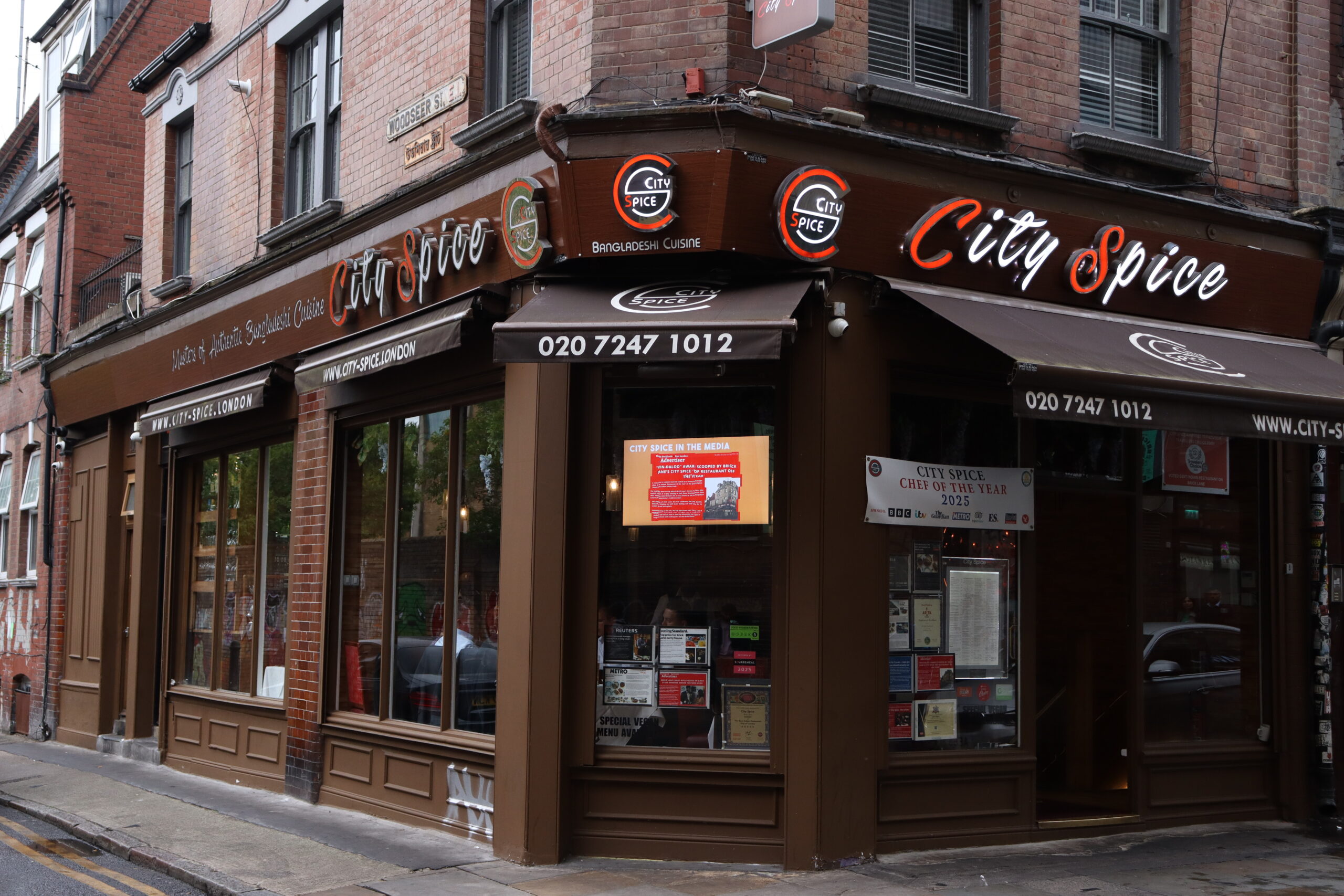
We would love to bake it for you. Come and find us at City Spice, 138 Brick Lane, ask our team what is coming out of the tandoor that evening, and let the bread lead the meal for once.