
Why Food Critics Keep Returning for the Best Curry Brick Lane
People who eat for a living return to the best curry Brick Lane offers for one reason: consistent details. Properly browned onions, spices bloomed in hot fat, a sauce reduced rather than thickened, tender meat, and a clear balance of salt, acid and heat. Get those right every night, and a curry earns a second visit.
That is the honest answer. No secret ingredient, no single trick. Just a set of habits that a kitchen either keeps or lets slide.
We cook on Brick Lane every day, and we pay attention to what experienced diners notice. They tend to judge a curry on the same handful of points. Here they are, from our side of the pass.
What do food critics judge in the best curry Brick Lane serves?
Ask anyone who reviews restaurants seriously and they will tell you they are not chasing heat or novelty. They are looking for evidence that the cook understood each stage of the dish. In our experience, it comes down to six things:
- The onion base. Was it cooked long enough to turn sweet and deep, or rushed?
- The spice bloom. Were whole and ground spices fried in fat to release their oils, or stirred in raw?
- The sauce body. Does it coat a spoon from reduction, or from flour and cream?
- The protein or vegetable. Is it seasoned all the way through and cooked to the right texture?
- Balance. Can you taste salt, sourness, sweetness and heat, with none drowning out the others?
- Finish. Is there a final layer (fresh coriander, a squeeze of lime, a last tempering) that wakes the dish up?
A dish that gets all six right feels finished. One that misses two or three feels flat, even if you cannot say why.
Why does the onion base decide so much?
Most North Indian and Bangladeshi-style curries start with onions, and how far you take them changes everything. Sliced onions cooked gently in oil go through stages: soft and translucent after about five minutes, pale gold at around ten, and deep brown at fifteen to twenty minutes over a medium flame.
Two things happen along the way. Water evaporates, concentrating the natural sugars. Then, as the surface gets hotter, those sugars caramelise and Maillard reactions create hundreds of new flavour compounds. That is where the savoury, almost meaty depth of a good bhuna comes from.
Rush the onions, and you get a curry that tastes thin and sharp. Burn them, and it turns bitter. The window between the two is narrow, and holding it every service is a skill. When reviewers say a sauce has “depth”, this is very often what they mean.
How does blooming spices change the flavour?
Many of the flavour compounds in spices are fat-soluble. Cumin, coriander seed, cardamom and cloves all carry aromatic oils that release far more readily into hot ghee or oil than into water. So a well-made curry fries its spices early, usually for 30 to 60 seconds, until they smell toasted and the cumin seeds crackle.
Ground spices need more care. They burn fast, so many cooks add a splash of water with them to stop the pan scorching. The masala is then cooked until the oil begins to separate from the paste and pool at the edges. That oil separation is a classic sign, in Indian kitchens, that the raw edge of the spices has been cooked out.
Chef Niaz cooks with a Bengali twist, and Bengali kitchens often add another layer: a tempering of whole spices such as panch phoron (fenugreek, nigella, cumin, black mustard and fennel seeds) fried in mustard oil. Each seed pops at a slightly different moment, and the result is aromatic in a way a pre-made powder cannot match.
Which curries do experienced diners order to test a kitchen?
This is a favourite trick among people who eat out a lot. They order something simple, because simple dishes leave nowhere to hide.
| Test dish | What it reveals
|
|---|---|
| A plain dal | Seasoning, tempering and patience. A good dal is never just boiled lentils. |
| A chicken or lamb bhuna | Onion control and reduction. The sauce should cling, not pool. |
| A vegetable curry | Whether vegetables are cooked to texture or stewed to mush. |
| A tandoori dish | Marinade time and fire control. Look for charred edges and a juicy centre. |
| Plain rice | Grain separation. Basmati should be long, fluffy and unbroken. |
If those five arrive right, the rest of the menu is usually trustworthy. If the dal is bland, no amount of ambition in the specials will fix it.
What sets the best curry in London apart from a decent one?
The gap between good and great is often small and boring. Fresh ginger and garlic paste ground that day rather than from a jar. Spice blends toasted in-house. Stocks and bases made in sensible batches, not huge vats that sit for days.
Then there is restraint. The best curry in London is rarely the one with the most cream or the most chilli. It is the one where you can still taste the cardamom in a korma, or the fenugreek in a methi dish. Heavy cream and sugar can make almost anything taste pleasant for three spoonfuls. After that, the palate tires.
Temperature matters too. A curry served lukewarm loses aroma, because many of those volatile compounds need heat to reach your nose. Experienced diners notice this immediately.
Why does a good vegan curry win over critics?
Plant-based cooking is one of the clearest tests of skill, because there is no meat or dairy to lean on for richness. The cook has to build depth from roasted vegetables, toasted spices, lentils, coconut, souring agents and careful frying.
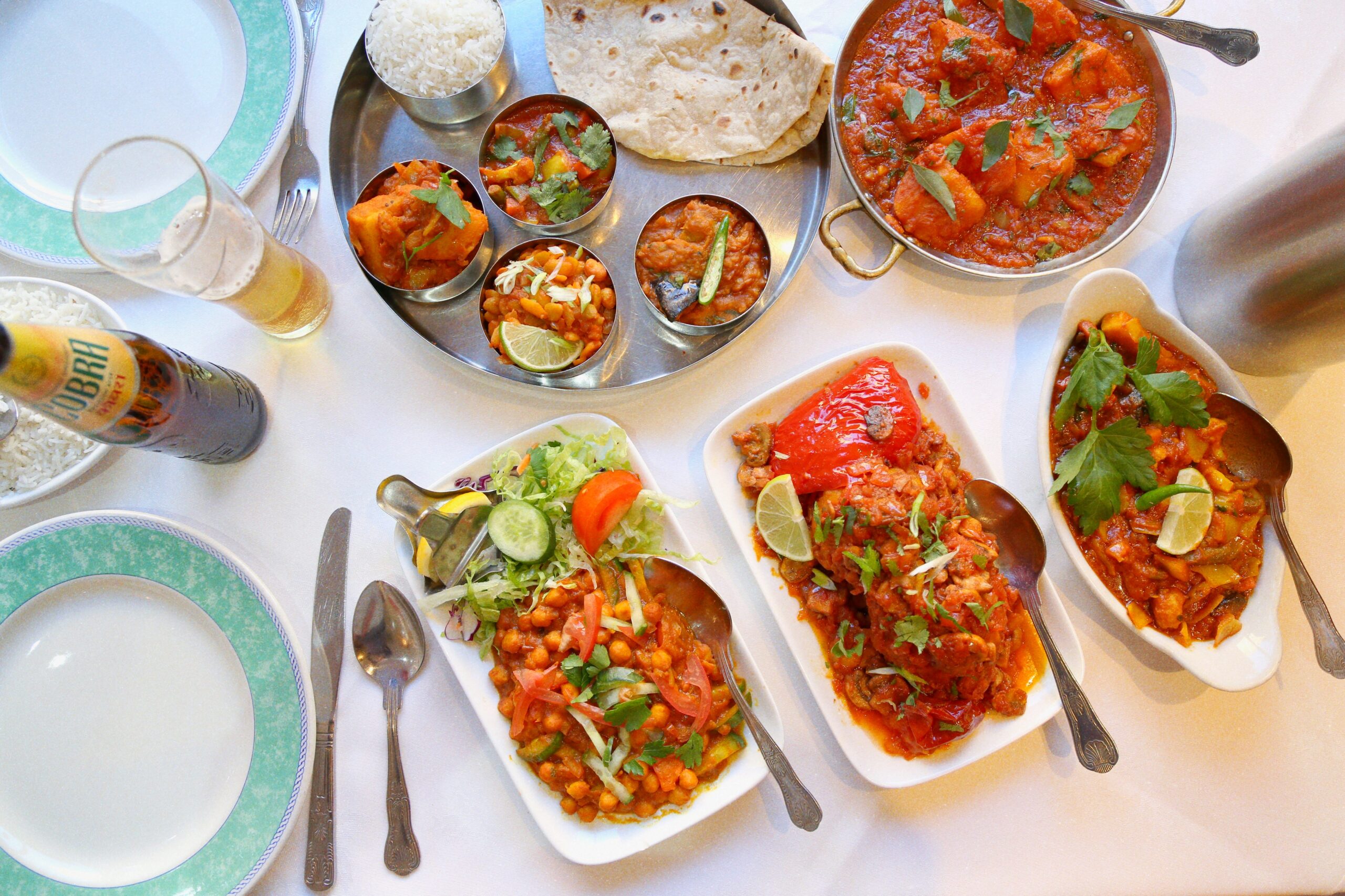
At City Spice, our dedicated vegan curry menu was created by Chef Niaz with Michelin-inspired chef Rupert Rowley. Dishes like the aubergine dhal, Chowle Achar, Shobji Kufta Bhujon and the thali-style Shahi Sahakari platter are built to stand on their own, not as substitutes. We also use the tandoor for vegetables as well as meat, which gives them a char and smokiness that diners often do not expect.
If you want to judge a kitchen fairly, order one vegan dish alongside your usual choice. It tells you a lot about how well the team understands flavour.
How can you find a great Indian restaurant London diners trust?
Reviews help, but your own palate is the better guide once you know what to look for. When choosing an Indian restaurant London locals return to, try this:
- Smell the room. Toasted spice and charcoal are good signs. Stale frying oil is not.
- Read the menu for regional detail. Bengali, Punjabi or Hyderabadi dishes named and explained suggest a kitchen with a point of view.
- Ask a question. “What is the chef proud of tonight?” usually gets an honest, useful answer.
- Order the test dishes above. Then compare notes on your next visit somewhere else.
Brick Lane makes this easy. Dozens of kitchens sit within a few minutes’ walk, so you can compare styles over a few evenings and build your own sense of which kitchens deserve a return visit.
Key Takeaways
- The best curry Brick Lane kitchens serve wins return visits through consistent technique, not secret ingredients.
- Deeply browned onions and properly bloomed spices are the foundation of flavour.
- Simple dishes like dal and bhuna are the fairest test of a kitchen.
- Restraint with cream, sugar and chilli separates great curry from merely pleasant curry.
- A well-made vegan curry is one of the clearest signs of a skilled kitchen.
Frequently Asked Questions
What makes a curry taste restaurant-quality?
Usually it is patience with the onion base and properly fried spices. Onions browned slowly for fifteen to twenty minutes develop deep, sweet flavour, and spices fried in hot oil release their aromatic compounds. Reducing the sauce rather than thickening it also adds intensity.
Why does oil separate on top of a curry?
When a masala is cooked long enough, the water evaporates and the oil separates out from the spice paste. In Indian kitchens this is treated as a sign that the raw taste of the spices has been cooked out. A little oil at the edge is normal and expected.
Which dish should I order to judge an Indian restaurant?
A simple dal or a bhuna is a reliable test. Both rely on seasoning, tempering and reduction rather than cream or heavy spice. If they are well made, the rest of the menu usually is too.
Is the hottest curry the most authentic?
No. Heat is just one part of balance, and many traditional dishes are mild and aromatic. A well-made curry lets you taste individual spices alongside the chilli rather than masking everything.
Are vegan curries as flavourful as meat curries?
They can be, when the kitchen builds depth through roasting, tempering and slow-cooked bases. Lentils, aubergine and charred vegetables carry spice well. Ask for a recommendation from the vegan menu if you are unsure where to start.
Final Thoughts
Critics and regulars come back for the same reason: they trust that the dish will taste as good as it did last time. That trust is built on onions, oil, patience and balance, repeated night after night. When you go looking for the best curry Brick Lane has to offer, judge it on those details and you will rarely be steered wrong.
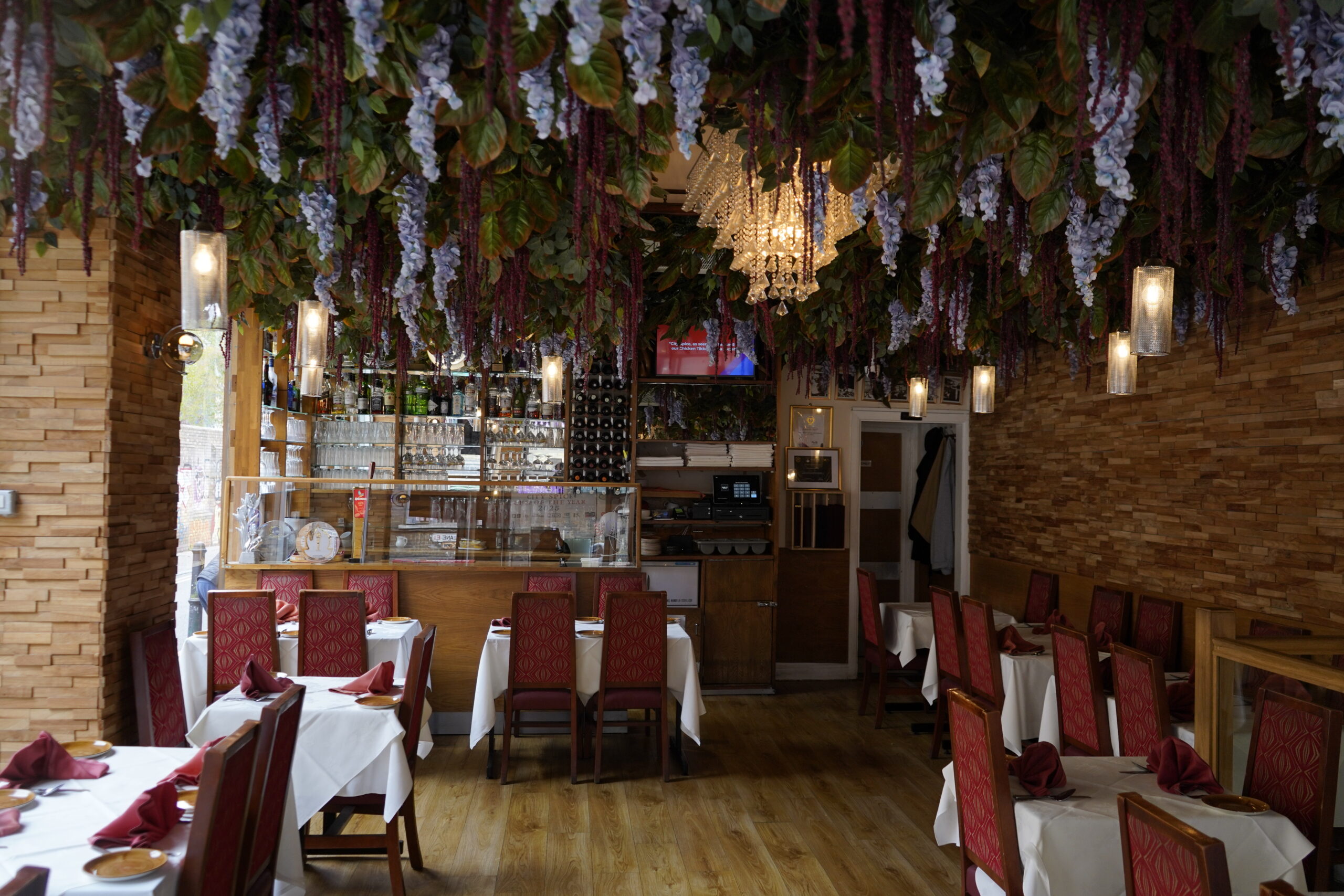
We would be glad to be part of your comparison. Come to City Spice at 138 Brick Lane, order a dal alongside your favourite, and tell us what you think.