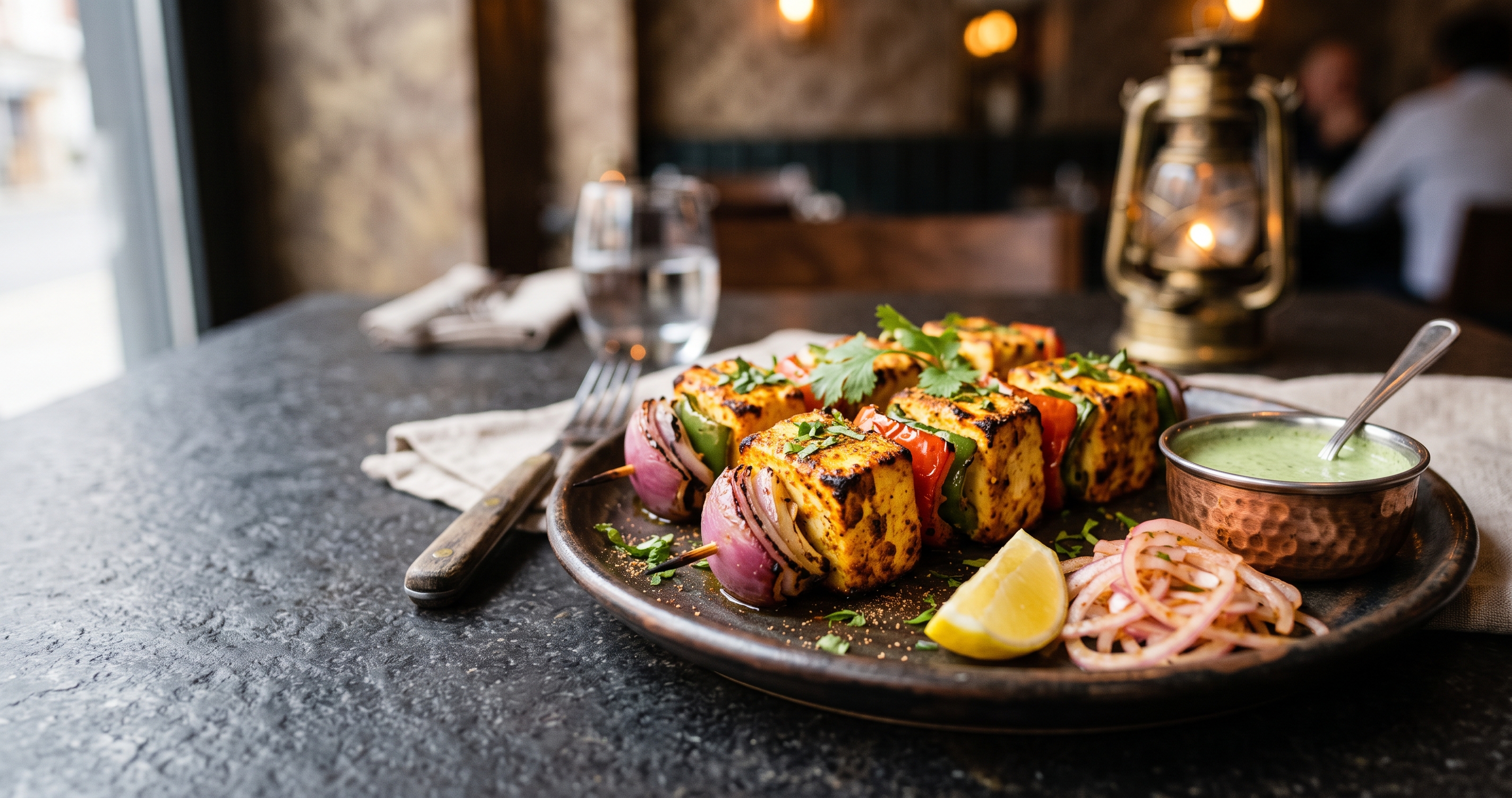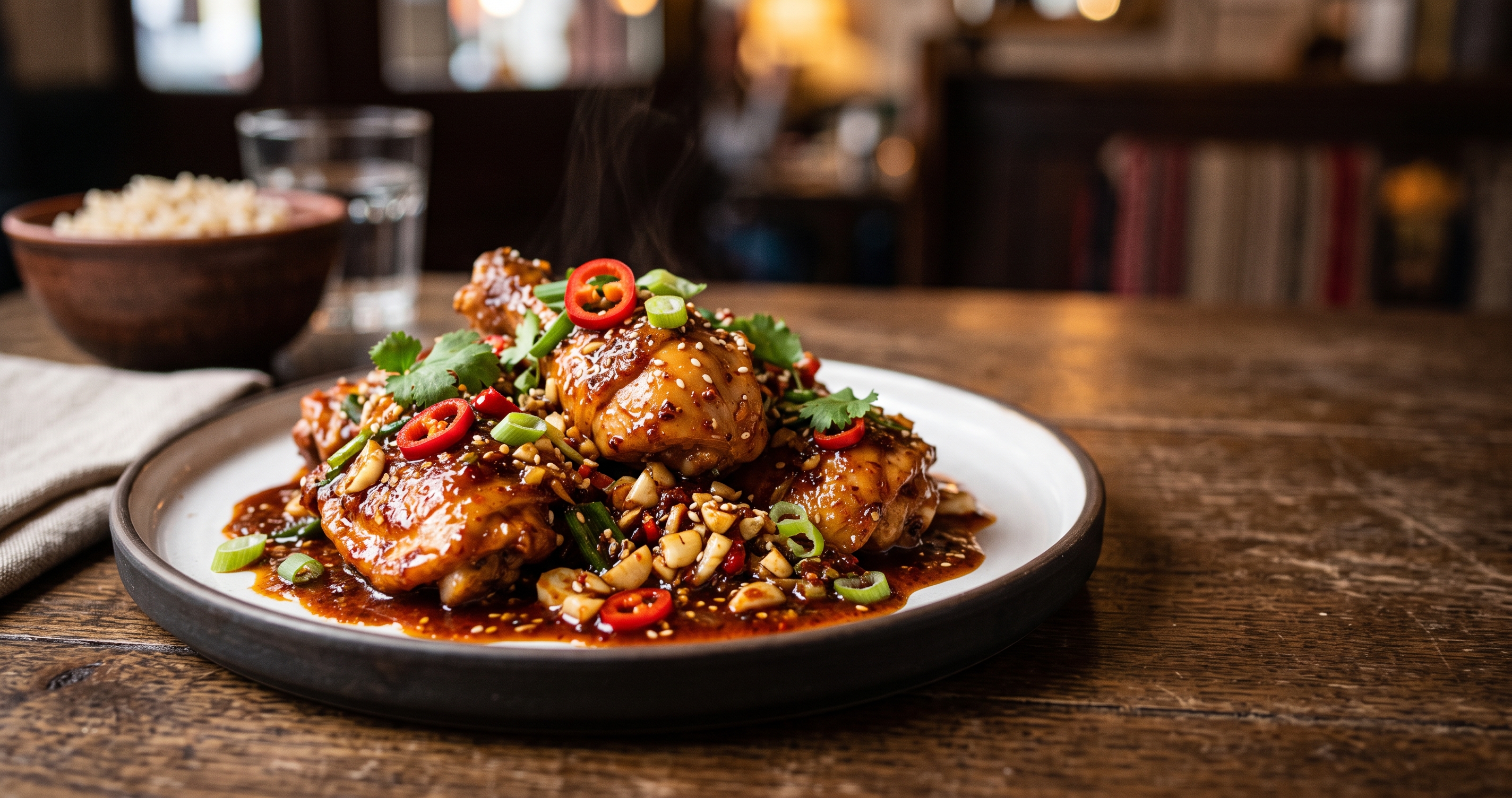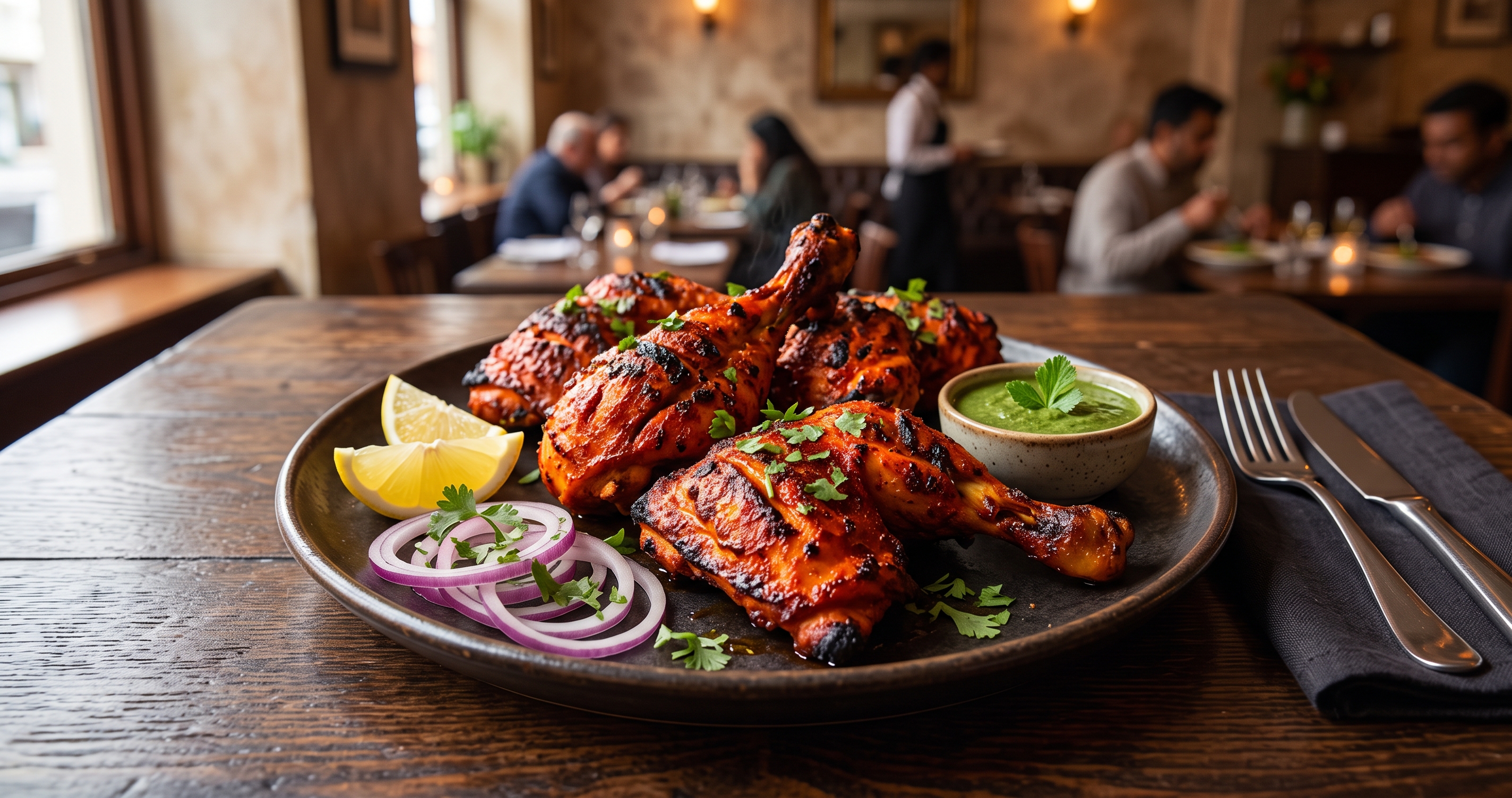

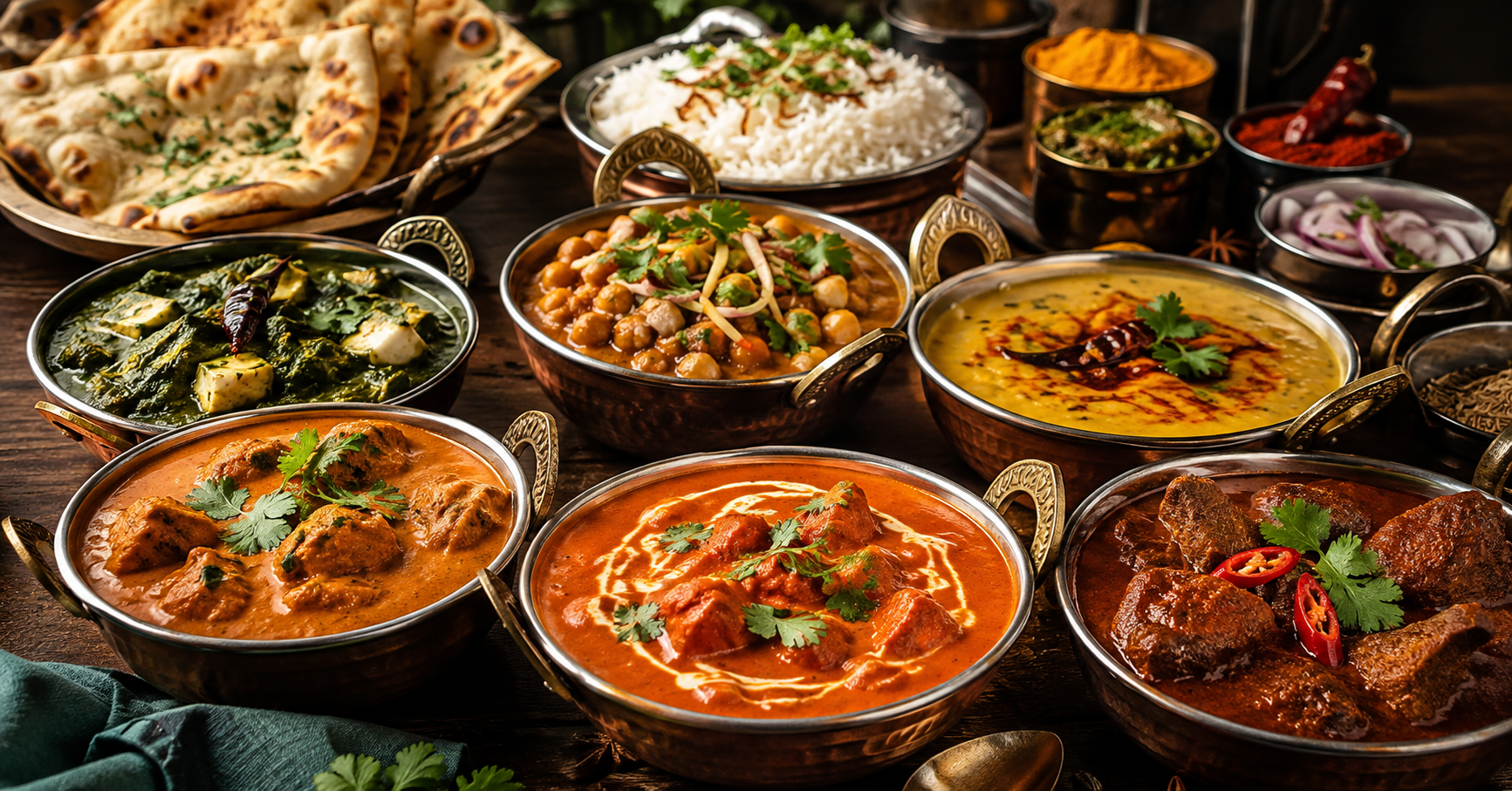
Regional Types of Indian Curry You Must Try Bengali Tamil Gujarati Punjabi
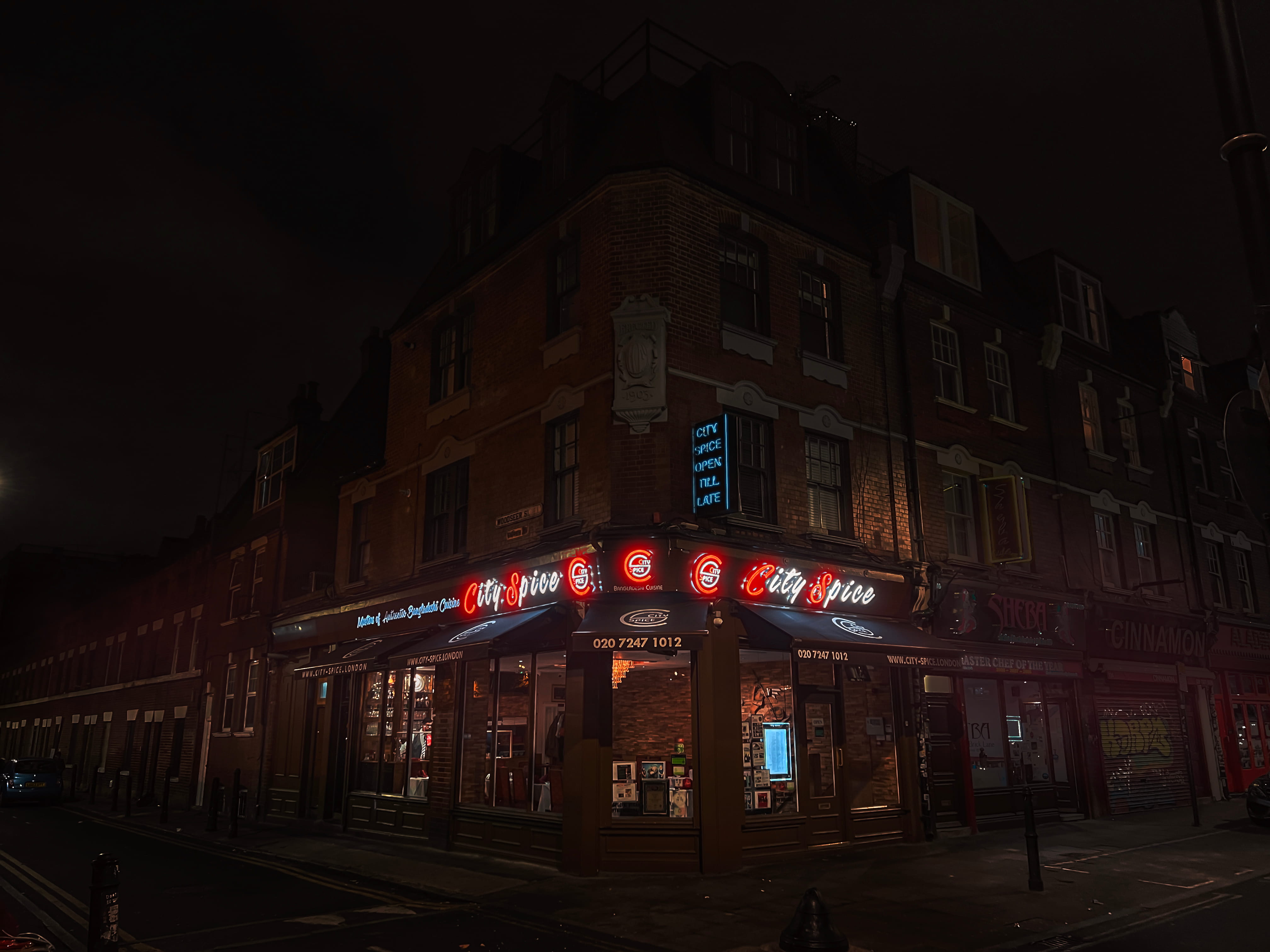
Understanding the different types of indian curry is the best way to appreciate how varied Indian cooking really is, and there is no better place to start than a family-run kitchen with genuine regional roots. City Spice sits at 138 Brick Lane, London, in the heart of Spitalfields and Banglatown, and is closely connected to Chef Niaz, whose cooking carries a distinctive Bengali twist rarely found elsewhere on the street. As an award-winning indian restaurant brick lane diners have trusted for years, City Spice offers a genuine window into regional cooking rather than a generic curry menu. This guide walks through the major regional curry traditions of India, from Bengal to Tamil Nadu, Gujarat and Punjab, before showing how City Spice brings authentic Bengali flavour to East London.
What Are the Different Types of Indian Curry?
India is not one cuisine but many, and the types of indian curry found across the country reflect centuries of local ingredients, climate and culture. A curry from the eastern coast, built around mustard oil and freshwater fish, tastes nothing like a creamy, tomato-based curry from the north or a coconut-laced curry from the south. Spice blends, cooking fats and souring agents change by state. Broadly speaking, curries group by region: Bengali curries lean on mustard and panch phoron, Tamil curries favour tamarind and coconut, Gujarati curries balance sweet and tangy notes, and Punjabi curries are rich, buttery and tomato-forward. Knowing these distinctions makes it easier to appreciate what a kitchen like City Spice is doing on the plate.
Bengali Curry: Mustard, Fish and Panch Phoron
Bengali cooking, from both West Bengal and Bangladesh, is built around a five-spice blend called panch phoron, along with mustard oil and mustard paste, giving many dishes their sharp, distinctive edge. Fish and lamb play a central role, simmered slowly with onions, garlic, ginger and a careful hand with chilli so the underlying spices are never masked. This cuisine rewards patience, favouring slow-cooked gravies and layered flavour over heavy cream. It remains one of the lesser-known regional styles among UK diners, making it an exciting discovery for anyone used to generic curry house menus.
Tamil Curry Traditions: Tamarind, Coconut and Chilli
Travelling south to Tamil Nadu, the curry landscape shifts. Tamil curries typically use tamarind for sourness, curry leaves and mustard seeds for tempering, and coconut, fresh or as milk, to round out the heat. Rice is the constant companion, and dishes tend to be thinner and more broth-like than their northern counterparts, designed to soak into rice rather than sit alongside naan. Chilli heat is often more assertive too, balanced by tamarind’s tang rather than dairy.
Gujarati Curry: Sweet, Tangy and Largely Vegetarian
Gujarat, on India’s west coast, is known for a largely vegetarian tradition where curries strike a deliberate balance between sweet, sour and spicy in the same dish. Jaggery or sugar is commonly used alongside lemon or tamarind, a flavour profile that can feel unusual to newcomers but is deeply loved across the region. Legumes, seasonal vegetables and yoghurt-based preparations feature heavily, reflecting religious customs and agricultural abundance. It is a cuisine built on subtlety rather than fire.
Punjabi Curry: Rich, Buttery and Familiar
Punjabi curry is probably the style most familiar to UK diners, since dishes like butter chicken and creamy dals popularised in Britain trace back to Punjab. These curries typically start with onions, tomatoes, garlic and ginger, finished with cream, butter or ghee for a rich, indulgent texture. Tandoori cooking, naan bread and robust garam masala are hallmarks of Punjabi kitchens, and the flavours tend to be warm and comforting rather than sharply spiced. It is this style that often shapes first impressions of Indian food, even though it is just one region among many.
Discovering Bengali Curry at City Spice on Brick Lane
Against this wider regional backdrop, City Spice stands out because it commits fully to Bengali cooking rather than blending everything into a generic menu. Chef Niaz brings genuine Bengali technique to signature dishes such as Saag Gosht, a slow-cooked lamb and spinach curry, and Shatkara, a citrus-forward dish using a rare Bangladeshi lime hard to find elsewhere in London. Chicken Jalfrezi, Keema Naan, lamb shank and chicken biryani round out a menu built on real regional identity. Alongside Onion Bhaji and butter chicken for familiar comfort, this focus on authentic Bengali flavour is why City Spice is regularly mentioned among those searching for the best curry in london.
City Spice’s Pioneering Vegan Curry Menu
City Spice was also among the earliest restaurants on Brick Lane to introduce a dedicated vegan curry menu, developed when Michelin-inspired chef Rupert Rowley worked with Chef Niaz to translate traditional Bengali flavours into plant-based dishes. Highlights include Chowle Achar, Shobji Kufta Bhujon, slow-cooked aubergine dhal and tender slow-cooked okra. The centrepiece is Shahi Sahakari, “The Vegan King,” a thali-style platter letting guests sample several vegan curries in one sitting, a rare example of vegan Indian food that never feels like an afterthought.
Dietary Options and Allergen Care
Beyond the vegan menu, City Spice caters carefully to a wide range of dietary needs. Every dish is gluten-free except breaded items, the kitchen is halal, and the team is practised at accommodating dairy, nut, soy and other allergens on request. This attention to dietary detail, paired with regional cooking, is a big part of why this indian restaurant brick lane location has built a loyal following among diners with specific dietary requirements.
Private Dining, Hours and Booking Tips
City Spice also offers flexible private dining, with a dedicated private floor for up to 105 guests, Private Room A for up to 90 guests, semi-private table bookings for up to 130 guests, and full restaurant hire for up to 150 guests, well suited to celebrations and corporate events. The restaurant is open Monday from 12:30pm to 2:30pm and 5:30pm to 11:00pm, Tuesday to Thursday from 12:30pm to 11:00pm, and Friday, Saturday and Sunday from midday to 11:45pm. For private bookings, contact the team on +44 20 7247 1012 or email abdulniaz@city-spice.london, ideally a few days ahead for larger groups, since Brick Lane fills up fast on weekend evenings.
Final Thoughts
Exploring the types of indian curry across Bengal, Tamil Nadu, Gujarat and Punjab reveals how much regional diversity sits behind a single word. Each tradition brings its own spices, souring agents and techniques, shaped by geography and history. City Spice channels this diversity into a genuinely authentic Bengali menu, led by Chef Niaz and supported by a pioneering vegan offering, making it a standout stop for anyone seeking the best curry in london with real regional character.
FAQs
Q: What makes Bengali curry different from other types of indian curry?
A: Bengali curry relies on mustard oil, mustard paste and the panch phoron spice blend, alongside fish and lamb, giving it a sharper flavour than creamier northern styles.
Q: Does City Spice offer vegan options?
A: Yes, a dedicated vegan curry menu created with a Michelin-inspired chef, including the thali-style Shahi Sahakari platter and dishes like aubergine dhal and slow-cooked okra.
Q: Is City Spice suitable for gluten-free or halal diners?
A: All dishes are gluten-free except breaded items, the kitchen is halal, and the team can accommodate dairy, nut, soy and other allergens.
Q: Can I book a private event at City Spice?
A: Yes, options include a private floor for up to 105 guests, Private Room A for up to 90, semi-private bookings for up to 130, and full restaurant hire for up to 150 guests.
Q: What are City Spice’s opening hours?
A: Monday 12:30pm-2:30pm and 5:30pm-11:00pm, Tuesday to Thursday 12:30pm-11:00pm, and Friday through Sunday midday to 11:45pm.