
Brick Lane’s Living History
The History Of Brick Lane: From Historic Street To London’s Curry Capital
The history of Brick Lane is one of migration, resilience, culture, and food. Located in the heart of East London, this famous street has transformed repeatedly over the centuries, reflecting the changing communities that have called it home. Today, visitors know Brick Lane for its vibrant markets, street art, and world-renowned curry houses, but its story stretches back much further than its modern reputation.
Understanding the history of Brick Lane offers valuable insight into how one London street became a symbol of multicultural Britain and a destination for food lovers from around the world.
Early Origins Of Brick Lane
The origins of Brick Lane can be traced back to the 15th century when the area was largely rural. The street earned its name from the brick and tile manufacturing that took place nearby. Clay deposits in the area made it ideal for brickmaking, and the industry played an important role in local development.
As London expanded eastward, Brick Lane gradually evolved from a manufacturing district into a residential neighbourhood. Throughout the following centuries, different waves of immigrants settled in the area, each leaving a lasting mark on the street’s identity.
Some of the major communities that shaped Brick Lane include:
- French Huguenot refugees in the 17th century
- Irish immigrants during the 19th century
- Jewish communities in the late 19th and early 20th centuries
- Bengali migrants from the mid-20th century onwards
Each group contributed to the rich cultural fabric that defines Brick Lane today.
The Rise Of The Bengali Community
Any discussion of the history of Brick Lane must include the story of the Bengali community, whose influence remains visible throughout the area.
Large-scale migration from what is now Bangladesh began during the 1950s and 1960s. Many newcomers came from the Sylhet region and settled in East London due to existing family and community connections.
The arrival of Bengali families transformed the neighbourhood. Community organisations, cultural centres, businesses, and places of worship emerged, creating a strong support network for new arrivals.
Despite facing economic challenges and discrimination during their early years in Britain, the Bengali community played a central role in revitalising the area. Their resilience and entrepreneurial spirit helped establish Brick Lane as one of the most important cultural centres for British Bangladeshis.
Today, the Indian community in Brick Lane and the broader South Asian community continue to contribute significantly to the area’s cultural and economic life.
Brick Lane Culture: A Unique Blend Of Traditions
One of the reasons visitors find Brick Lane so fascinating is its unique cultural identity.
Brick Lane culture is not defined by a single tradition or community. Instead, it reflects generations of cultural exchange and adaptation. Walking down the street today, visitors encounter:
- Historic buildings
- Independent cafés
- Art galleries
- Vintage markets
- Street art installations
- Traditional curry houses
- Cultural events and festivals
This combination creates an atmosphere unlike anywhere else in London.
The area serves as a living record of migration and community building. Its architecture, businesses, and public spaces tell the story of the people who helped shape modern East London.
How Indian Brick Lane Became A Culinary Landmark
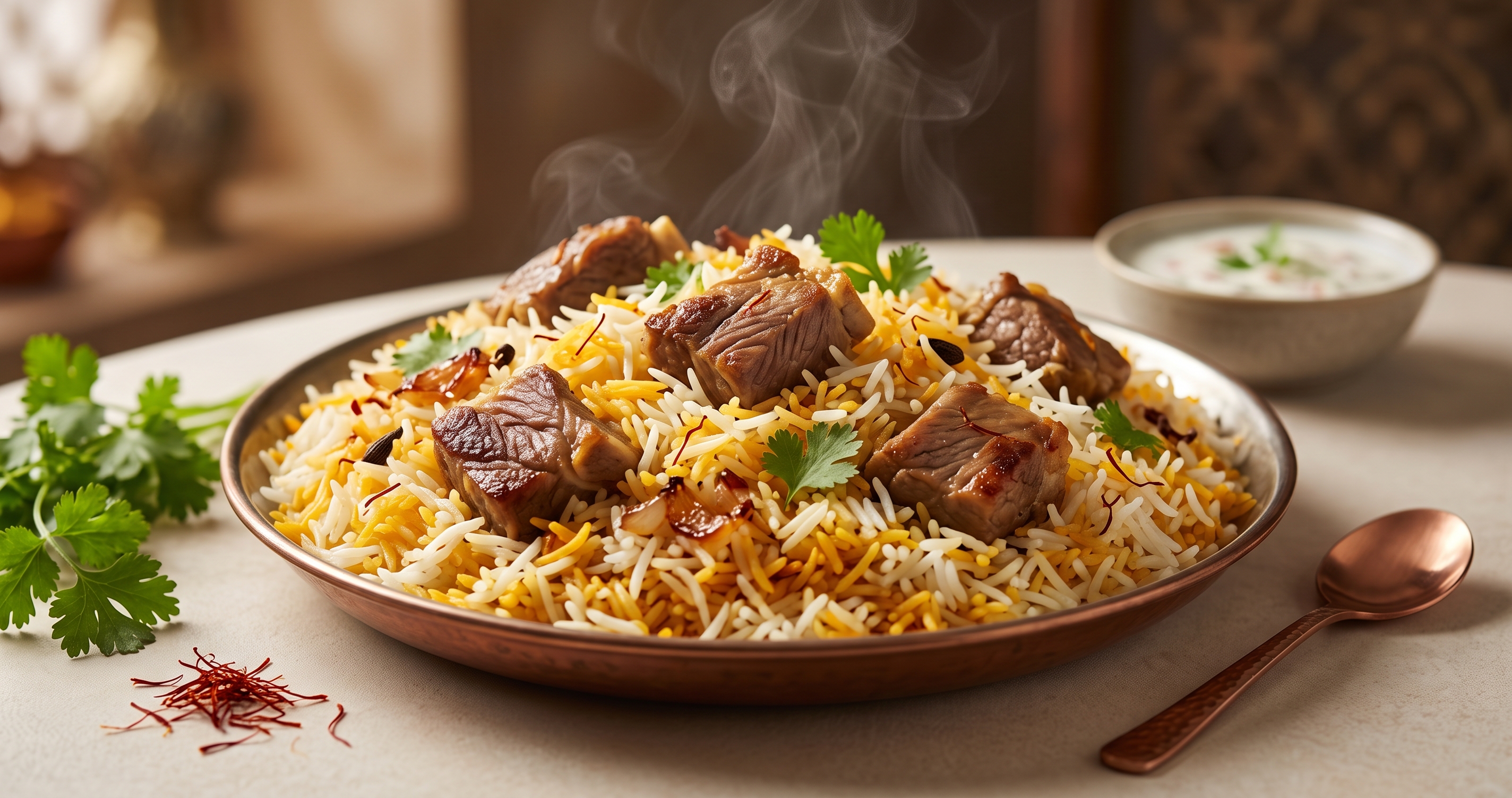
The connection between indian brick lane and London’s food culture developed gradually over several decades.
As Bengali entrepreneurs established businesses in the area, restaurants became an important source of economic opportunity. During the 1970s and 1980s, increasing numbers of curry houses opened their doors along Brick Lane.
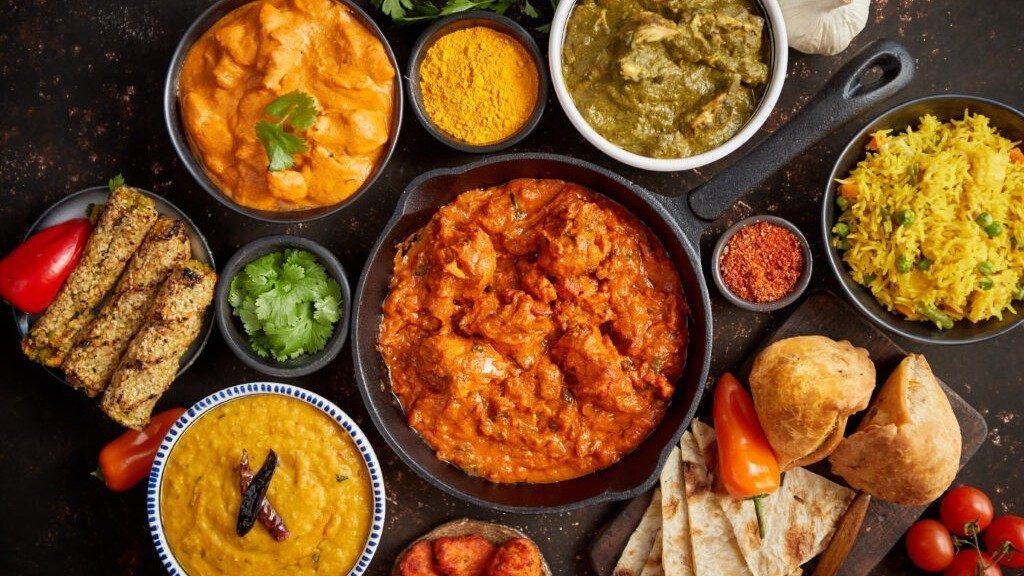
These restaurants introduced many British diners to South Asian cuisine for the first time. What began as small family-run establishments eventually grew into a thriving restaurant scene that attracted visitors from across the city.
Over time, the street earned international recognition for its concentration of South Asian restaurants and became synonymous with curry culture in London.
Today, indian brick lane represents far more than a dining destination. It reflects the contribution of immigrant communities to British food culture and highlights the role that restaurants played in shaping local identity.
Why Brick Lane Is Known As The Curry Capital London
Brick Lane is often referred to as the curry capital London visitors know and love.
The title emerged because of the extraordinary concentration of South Asian restaurants located within a relatively small area. At its peak, dozens of curry houses lined the street, each offering its own interpretation of traditional recipes.
Several factors contributed to Brick Lane earning this reputation:
Strong Community Foundations
Many restaurants were founded by families who brought generations of culinary knowledge with them.
Authentic Flavours
Chefs continued to prepare dishes inspired by traditional South Asian cooking methods while adapting them to local tastes.
Accessibility
Brick Lane’s central location made it easy for visitors from across London to explore the area’s restaurant scene.
Cultural Significance
Dining in Brick Lane became about more than food. Visitors were also experiencing the history and culture of the neighbourhood itself.
This combination helped establish Brick Lane as one of Britain’s most recognised food destinations.
The Popularity Of The Brick Lane Curry Tour
In recent years, the Brick Lane Curry Tour has become increasingly popular among both tourists and London residents.
These guided food experiences allow visitors to learn about the area’s history while sampling dishes from multiple restaurants. Participants often discover how migration, culture, and cuisine became closely connected throughout the neighbourhood’s development.
A typical Brick Lane Curry Tour may include:
- Historical landmarks
- Stories of Bengali migration
- Visits to local markets
- Tastings of traditional dishes
- Insights into regional South Asian cooking styles
The popularity of these tours reflects growing interest in food tourism and cultural storytelling.
Visitors are increasingly seeking experiences that combine history with authentic local cuisine, making Brick Lane an ideal destination.
Food Culture And The Evolution Of South Asian Cuisine
The food culture of Brick Lane has continued to evolve over the years.
While traditional recipes remain important, many restaurants have adapted to changing tastes and dining preferences. Modern menus often include:
- Regional Indian dishes
- Bangladeshi specialities
- Contemporary fusion options
- Vegetarian and vegan selections
- Health-conscious alternatives
This evolution reflects the broader story of British multiculturalism.
Restaurants have managed to preserve culinary traditions while remaining relevant to new generations of diners.
As a result, Brick Lane continues to attract visitors who are interested in both heritage and innovation.
The Role Of Restaurants In Preserving Local History
Restaurants in Brick Lane do more than serve food.
They help preserve cultural traditions, family histories, and community stories. Many establishments remain family-owned businesses where recipes and cooking techniques have been passed down through generations.
These restaurants act as cultural ambassadors, introducing visitors to flavours and traditions that might otherwise remain unfamiliar.
In this way, dining becomes part of a larger cultural experience that connects food with history and identity.
City Spice And Brick Lane’s Continuing Story
Among the restaurants that contribute to Brick Lane’s rich culinary landscape, City Spice remains part of the area’s ongoing story.
Located on one of London’s most famous food streets, City Spice reflects the traditions that helped establish Brick Lane’s reputation while continuing to welcome visitors from around the world.
The restaurant’s commitment to authentic flavours and traditional cooking techniques mirrors the broader heritage of the neighbourhood itself. By combining quality ingredients with recipes inspired by South Asian culinary traditions, City Spice participates in the living history that makes Brick Lane unique.
For visitors exploring the history of Brick Lane, enjoying a meal is often one of the most memorable ways to experience the culture firsthand.
Final Thoughts
The history of Brick Lane is ultimately a story of people, migration, and community. From its early industrial roots to its transformation into a cultural and culinary landmark, the street reflects centuries of change and adaptation.
The growth of the Bengali community, the emergence of indian brick lane as a food destination, and the area’s reputation as the curry capital London all demonstrate how communities can shape the identity of a city.
Today, Brick Lane continues to evolve while remaining deeply connected to its past. Whether visitors come for the markets, the street art, the cultural heritage, or the food, they encounter a neighbourhood whose history remains alive in every corner.
Frequently Asked Questions
1. What is the history of Brick Lane?
The history of Brick Lane dates back several centuries. Originally known for brick and tile manufacturing, the area later became home to successive immigrant communities including the Huguenots, Irish, Jewish, and Bengali populations. Each group contributed to the unique cultural identity that defines Brick Lane today.
2. Why is Indian Brick Lane famous?
Indian Brick Lane is famous for its concentration of South Asian restaurants, vibrant food culture, and strong connection to the Bengali community. Over the years, it has become one of London’s most recognised destinations for authentic Indian and Bangladeshi cuisine.
3. How did the Indian community in Brick Lane shape the area?
The Indian community in Brick Lane, alongside the wider South Asian and Bengali communities, played a major role in transforming the neighbourhood. Through businesses, restaurants, cultural organisations, and community initiatives, they helped establish Brick Lane as an important cultural and culinary centre in London.
4. Why is Brick Lane called the curry capital London?
Brick Lane earned the nickname curry capital London because of its large number of curry houses and South Asian restaurants. For decades, visitors have travelled to the area specifically to experience authentic curries and traditional South Asian cooking, making it one of the most famous food streets in the UK.
5. What can visitors expect on a Brick Lane Curry Tour?
A Brick Lane Curry Tour typically combines food and history. Visitors can explore local landmarks, learn about migration and community history, visit markets, and sample dishes from some of the area’s best-known restaurants while discovering the story behind Brick Lane’s food culture.
6. How has Brick Lane culture evolved over time?
Brick Lane culture has evolved through centuries of migration and cultural exchange. Today, the area blends historic architecture, street art, markets, independent businesses, and diverse cuisines, creating one of London’s most distinctive and multicultural neighbourhoods.
7. Where does City Spice fit into the story of Brick Lane?
City Spice forms part of Brick Lane’s continuing culinary heritage. Located in the heart of the area, the restaurant contributes to the neighbourhood’s reputation for authentic South Asian cuisine while helping preserve the traditions that have made Brick Lane a globally recognised food destination.