
How Modern Chefs Are Transforming Classic Indian Brick Lane Menus
Modern chefs are transforming classic Indian Brick Lane menus by cooking each dish from scratch instead of from one shared base sauce, bringing back regional Bengali techniques like panch phoron tempering and mustard oil, treating vegetables as main courses in the tandoor, and building full vegan menus rather than token swaps. The classics stay. The method underneath them changes.
What did a classic Brick Lane curry menu look like?
If you have eaten on Brick Lane, you know the shape of the menu before you open it. Onion bhaji and samosa, tikka from the clay oven, then the long middle section: korma, bhuna, dopiaza, rogan josh, madras, vindaloo, pathia, dhansak, jalfrezi, each available with chicken, lamb, prawn or vegetable. Rice, breads, sides.
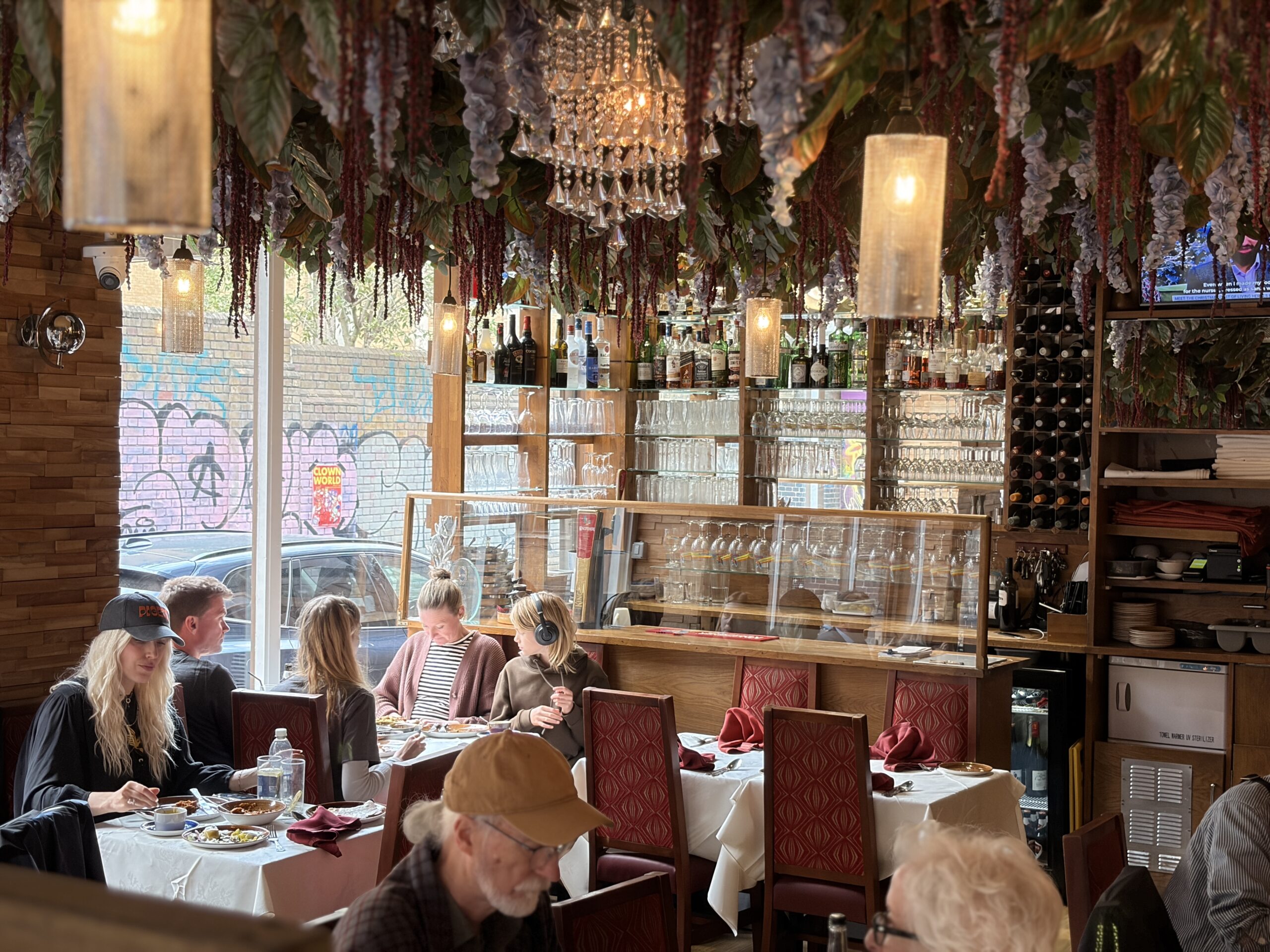
That format was not an accident. Most of the curry houses on the street were opened by families from the Sylhet region of what is now Bangladesh, who settled in this part of East London in large numbers in the 1970s. They cooked for a British public that wanted a fixed list, and built a kitchen system to deliver it fast.
Its heart was the base gravy: a large pot of onions, sometimes with tomato, garlic, ginger and a little spice, simmered for hours and blended smooth. To order, a cook fried spices and protein, ladled in gravy and turned it into a korma or madras by adjusting heat, sweetness and sourness. It is clever. One sauce, thirty dishes, five minutes each. It is also why so many curries started to taste like cousins.
Why are chefs moving away from the single base gravy?
In our kitchen we respect the base gravy, but we know what it costs. When every sauce starts from the same blended onion, you lose three things.
- Texture. Blending removes the difference between a bhuna, where onions are cooked down until they almost dissolve into a thick coating, and a dopiaza, where a second batch of onions goes in late so you can still see and bite them.
- Layered spice. Whole spices fried at the start release different flavours from ground spices added in the middle. A pre-made gravy flattens that sequence.
- Regional identity. A Bengali fish curry and a Goan vindaloo come from opposite ends of the subcontinent, with different fats, souring agents and spice logic. A shared base makes them meet in the middle.
So the first big change in modern Indian Brick Lane kitchens is simply cooking dishes from their own starting point. It means more prep and more pots, but also a jalfrezi that tastes of charred peppers and green chilli, and a dhansak that tastes of lentils and a sweet-sour finish rather than a slightly different red sauce.
How are Bengali roots coming back onto Brick Lane plates?
Here is the irony of the street. Its restaurants were run by Bengali families, yet for decades the menu was mostly a British-Indian invention, while the food cooked at home was something else. Modern chefs are bringing that home cooking into the dining room.
Chef Niaz’s cooking at City Spice carries that Bengali twist, and the techniques that make Bengali food distinctive are very specific:
- Panch phoron. A five-seed mix of fenugreek, nigella, cumin, black mustard and fennel, used whole. It is dropped into hot oil at the start, and you wait for the mustard seeds to pop (usually 20 to 30 seconds) before adding anything else. Too long and the fenugreek turns bitter.
- Mustard oil. Sharp when raw, it is heated until it just smokes, then cooled slightly, which leaves a nutty, warming flavour.
- Shorshe (mustard paste). Soaked mustard seeds ground with green chilli and a little salt. It is added late and never boiled hard, because prolonged high heat makes it bitter.
- Sour and bitter notes. Bengali meals often open with something gently bitter and use tamarind, green mango or lime for sourness, rather than leaning on cream and sugar.
Classic method versus modern method: what actually changes?
| Element | Classic curry-house approach | Modern kitchen approach
|
|---|---|---|
| Sauce | One blended base gravy for most curries | Each dish built from its own whole spices and aromatics |
| Fat | Neutral vegetable oil throughout | Oil chosen per dish: mustard oil, ghee or neutral oil |
| Vegetables | Side dishes or a “vegetable” option in a meat sauce | Main courses, often charred in the tandoor |
| Vegan diners | Remove the meat, hope the sauce has no dairy | A dedicated menu designed without dairy from the start |
| Heat | Ranked mild to very hot by chilli powder | Heat from fresh green chilli, dried chilli and black pepper, each with a different character |
| Menu size | Very long, every sauce with every protein | Shorter, with dishes that only work one way |
None of this makes the old way wrong. Many diners searching for the best curry in London want a proper madras, and so do we on a cold night. The modern madras is just made on purpose, not assembled.
What role does the tandoor play in Indian Brick Lane kitchens now?
A tandoor is a clay oven that can reach well over 400°C. On Brick Lane it was traditionally the meat station: tikka, lamb chops, seekh kebabs.
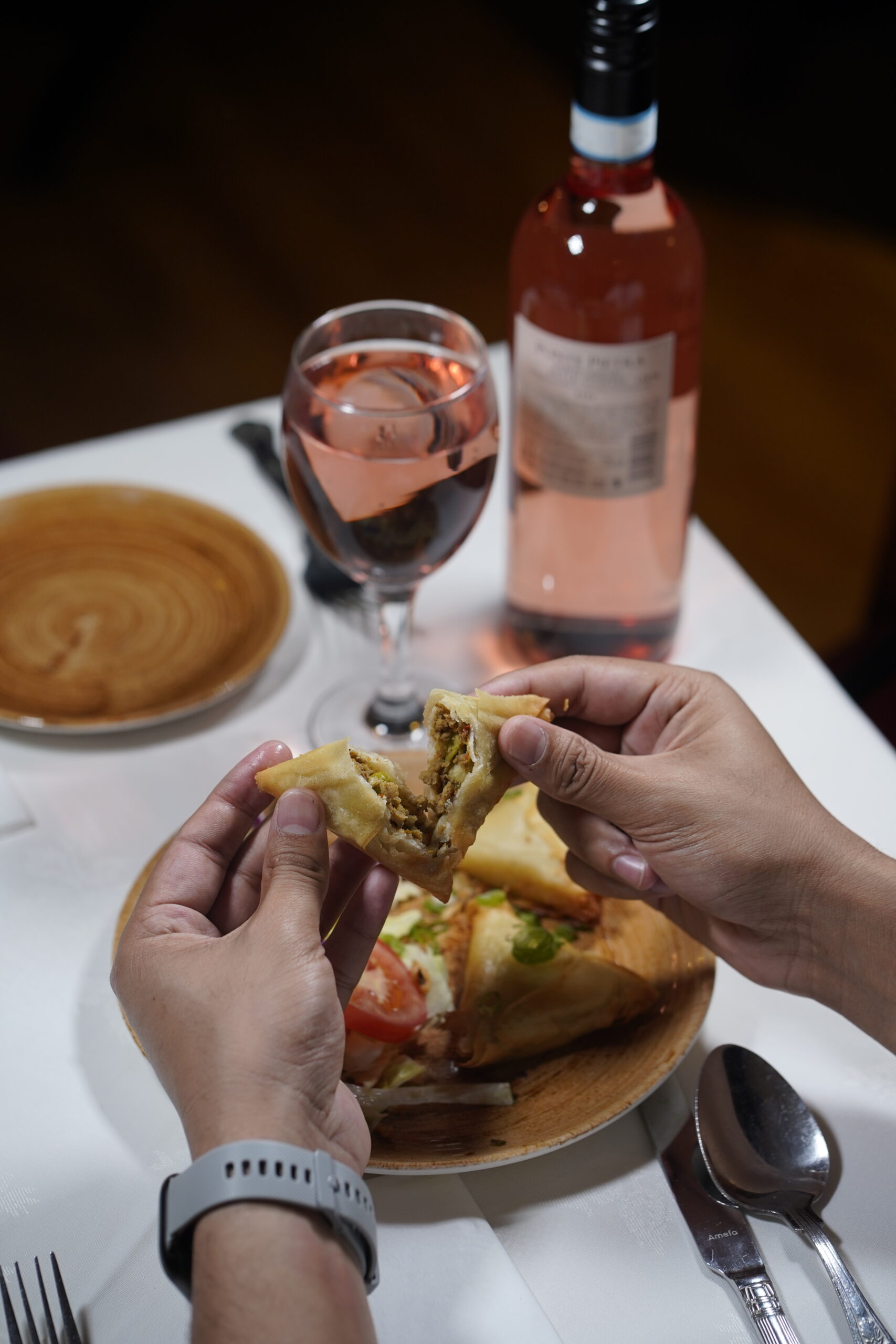
What we have learned at the pass is that the same blistering heat does extraordinary things to vegetables. Cauliflower, paneer, peppers, onions, mushrooms and thick slices of aubergine all respond to it. Surface sugars caramelise and blacken in spots within minutes while the inside stays juicy, a smoky char no pan can give you.
A few things we do to make vegetables work in the tandoor:
- Cut them large. Small pieces dry out before they colour.
- Marinate in a thick paste that clings. Yoghurt-based marinades work well for paneer; for vegan dishes we use gram flour, mustard oil, lemon juice and spice, which forms a light crust as it cooks.
- Pull them early. Vegetables carry on softening off the skewer.
At City Spice the tandoor cooks vegetables as well as meat, so a charred cauliflower can be the main event rather than an afterthought.
How have vegan curry menus changed the street?
For years a vegan on Brick Lane would get a vegetable version of a meat dish and a nervous conversation about ghee and cream.
The modern approach is to design vegan dishes from the ground up. At City Spice, Michelin-inspired chef Rupert Rowley worked with Chef Niaz to create a dedicated vegan curry menu. It includes Chowle Achar, an aubergine dhal, Shobji Kufta Bhujon and the thali-style Shahi Sahakari platter.
The cooking logic is different when dairy is never in the plan:
- Richness comes from elsewhere. Coconut milk, ground cashew or almond, slow-cooked onion and a good amount of oil give body that cream used to provide. (Diners with nut allergies should always ask what a sauce contains.)
- Tang replaces yoghurt. Tamarind, lime and pickling spices bring the sourness that yoghurt would have added.
- Lentils do structural work. A well-cooked dhal, simmered until the lentils collapse and then finished with a hot tempering of whole spices, has a silkiness that needs no butter.
- Thali format shows range. Several small dishes show different techniques side by side.
For an Indian restaurant London diners trust with dietary needs, this matters. A designed menu means fewer substitutions, fewer mistakes and food that tastes complete rather than reduced.
Frequently Asked Questions
What is a base gravy in Indian restaurant cooking? A base gravy is a slow-cooked, blended onion sauce that many British curry houses use as the starting point for most curries. It allows fast service, but it can make different dishes taste similar.
What is panch phoron? Panch phoron is a Bengali five-seed spice blend of fenugreek, nigella, cumin, black mustard and fennel. It is fried whole in hot oil at the start of cooking to release its aroma.
Can you cook vegetables in a tandoor? Yes. Large pieces of cauliflower, paneer, peppers, onion and aubergine char beautifully in a tandoor’s intense heat. A thick marinade helps them colour without drying out.
Does City Spice have a vegan menu? Yes. City Spice on Brick Lane has a dedicated vegan curry menu created by Chef Niaz with Michelin-inspired chef Rupert Rowley. Dishes include an aubergine dhal and the thali-style Shahi Sahakari platter.
Are classic curries like madras and korma disappearing from Brick Lane? No. Most kitchens still serve the classics. What is changing is how they are made, with more dishes cooked from their own spices rather than from a shared sauce.
Final Thoughts
The story of Indian Brick Lane cooking is one of families adapting their food for a new city, and modern chefs are simply continuing that work with better tools and a deeper respect for regional roots. The hospitality and generosity that built the street have not changed; the craft underneath has. If you want to taste the difference for yourself, come and see us at City Spice, 138 Brick Lane. We will happily talk you through the menu, and point you to the dishes we are proudest of.