
A Complete Guide to Navigating Brick Lane Curry Houses in East London
For decades, the vibrant strip of brick lane curry houses has served as a defining cultural landmark in East London. Running through Spitalfields and Shoreditch, this bustling street draws a mix of food lovers, weekend market visitors, and curious international travellers. With brightly illuminated shopfronts and competing menus lining every block, discovering an authentic, unhurried meal requires understanding how the neighbourhood’s food culture developed and knowing what to look for when choosing a table.
Modern diners expect more than just traditional curries; they look for fresh regional spices, transparent cooking methods, and inclusive menus that cater to diverse dietary preferences. This guide covers the culinary history of the street, highlights the evolution of plant-based dining in the East End, and shares why 138 Brick Lane remains a benchmark for quality cooking.
How Brick Lane Curry Houses Evolved from Maritime Cafés to Culinary Icons
To appreciate modern dining here, one must understand how the famous Curry Houses on Brick Lane first emerged in the mid-twentieth century. Following centuries of migration—beginning with French Huguenots and later Jewish communities—the area welcomed a large wave of Sylheti immigrants from Bangladesh during the post-war era.
Many early arrivals worked as seamen (lascars) in the London docks. As they settled in the surrounding streets of Whitechapel and Spitalfields, small community canteens opened to serve authentic home-cooked meals featuring dried fish, lentils, and rich riverine spices. Over the decades, these modest dining rooms expanded into full-service restaurants, shaping the street into Britain’s undisputed curry capital.
Today, brick lane curry houses represent a bridge between traditional subcontinental culinary history and modern London dining. While some establishments rely on tourist-focused marketing, the most respected venues honour their roots by slow-cooking sauces from scratch, grinding fresh spices daily, and showcasing regional recipes that reflect authentic home cooking.
The Rise of Plant-Based and Inclusive Dining in the East End
One of the most notable shifts along Brick Lane is the growing demand for dietary transparency and plant-focused dining. Traditional Bengali cuisine has always celebrated seasonal vegetables, incorporating ingredients like bottle gourd, green papaya, bitter melon, and yellow split peas into daily cooking.
While many Curry Houses on Brick Lane feature traditional meat-heavy menus, modern food lovers increasingly seek lighter, plant-based choices. For diners searching for a dedicated vegan indian restaurant london foodies frequently recommend, finding kitchens that respect plant-based cooking without relying on processed substitutes is key.
True plant-based Indian cooking does not mean simply omitting cream from a meat gravy; it relies on deliberate spice blending and varied vegetables:
-
Regional lentils and legumes: High-protein dishes like chana masala (spiced chickpeas) and tarka daal (tempered yellow lentils) provide rich flavour through garlic, cumin seeds, and dried red chillies.
-
Fresh produce over faux meats: Cauliflower, spinach (saag), okra (bhindi), and aubergine absorb ground coriander, turmeric, and fenugreek to create distinct textural contrasts.
-
Dairy-free tandoori breads: Skilled tandoor chefs prepare traditional flatbreads like roti and paratha using unrefined whole wheat flour, water, and vegetable oil rather than butter or ghee.
Key Signs of Quality in an Authentic East End Kitchen
Walking down Brick Lane can occasionally feel overwhelming due to competitive street promoters. Knowing how to assess a restaurant before sitting down ensures a rewarding meal.
Look for these markers of authentic culinary standards:
-
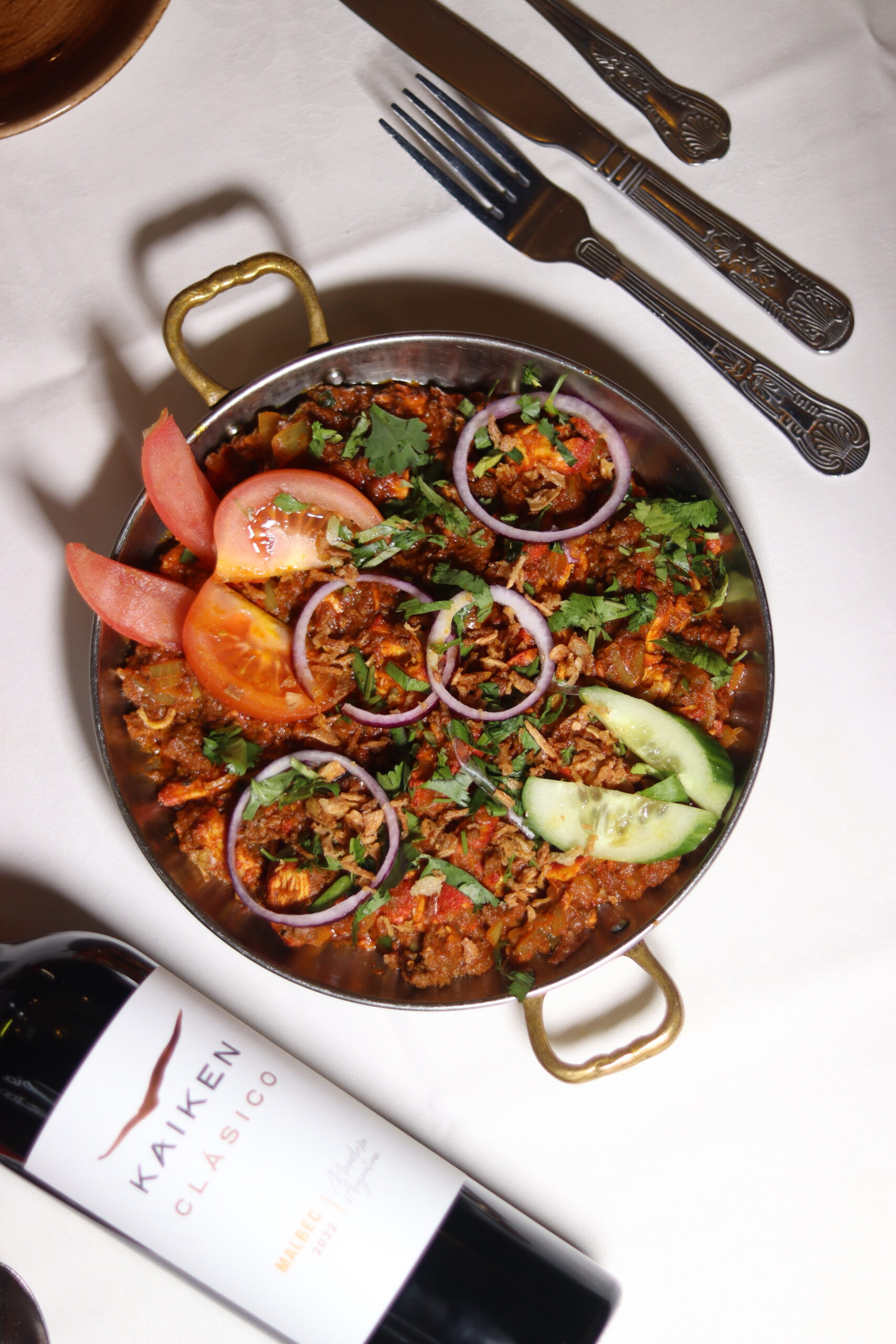
Made-to-order cooking: Premium kitchens prepare each dish individually in a dedicated karahi (heavy wok-like pan), allowing fresh aromatics to bloom in oil before incorporating sauces and proteins.
-
Distinct spice profiles: A sign of lower quality is when every curry tastes virtually identical, distinguished only by heat levels. Authentic menus deliver diverse flavour spectrums, from the tangy tamarind sharpness of a pathia to the fragrant cardamom and almond notes of a korma.
-
Fresh clay-oven breads: Naan and roti should arrive at your table hot and blistered straight from the clay tandoor. Reheated or chewy breads point to pre-prepared, bulk operations.
-
Relaxed, professional service: Confident establishments do not rely on aggressive street touts or pressure tactics. They let their reputation, menu depth, and warm indoor hospitality speak for themselves.
Spotlight on City Spice: 138 Brick Lane
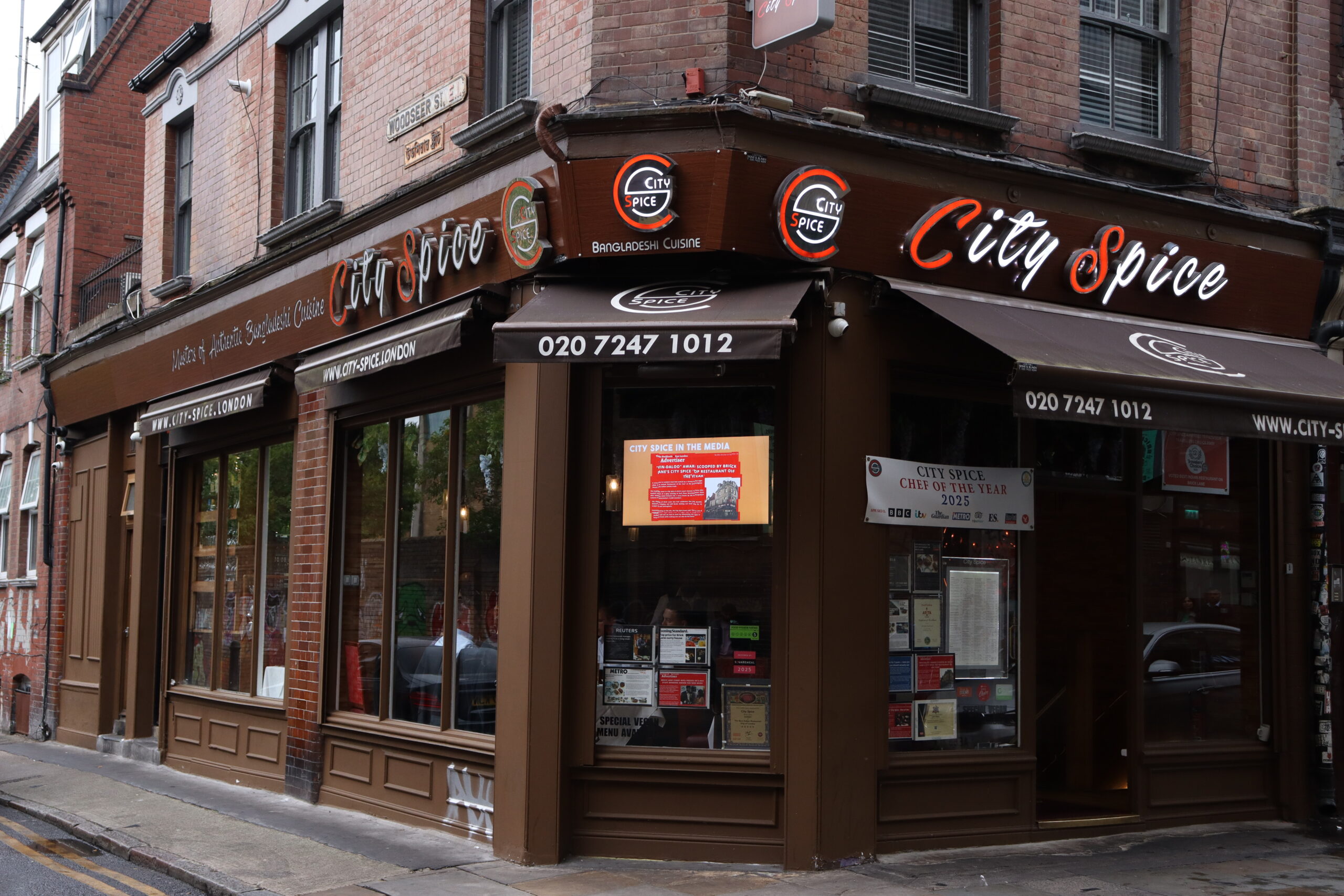
Standing out among the crowded rows of brick lane curry houses, City Spice at 138 Brick Ln, London E1 6RU has built a loyal following among local professionals, food critics, and neighbourhood regulars. Known locally as the “King of Brick Lane,” the restaurant balances classic Bangladeshi and North Indian heritage with modern dining needs.
Key features that define the City Spice dining experience include:
-
Comprehensive vegan menu: By elevating regional Bengali vegetable cookery into a standalone experience, City Spice offers one of the finest alternatives to any specialist vegan indian restaurant london has to offer. Its plant-based dishes are cooked in dedicated cookware to avoid cross-contamination.
-
100% certified halal sourcing: All poultry and meats meet strict halal certification standards, ensuring an inclusive setting for celebrations and gatherings.
-
Heritage cooking methods: The kitchen emphasizes slow-simmered stocks, house-roasted whole spices, and succulent tandoori grills cooked in high-heat clay ovens.
-
Comfortable multi-floor dining: The spacious, thoughtfully designed interior provides a calm environment away from the busy street, making it equally suited for quiet dinners and large group events.
Practical Tips for Planning Your Brick Lane Dinner
When planning a visit to traditional brick lane curry houses, timing your arrival before the evening rush makes a noticeable difference. To make the most of your evening, consider these practical recommendations:
-
Reserve ahead for weekends: Between the bustling vintage markets at the Old Truman Brewery and the weekend nightlife of Shoreditch, tables fill quickly from Friday through Sunday. Booking in advance secures your space without waiting outside.
-
Take transit for easy access: The restaurant sits within an easy 5- to 8-minute walk from Shoreditch High Street Station (Overground) and Aldgate East Station (District and Hammersmith & City lines). Liverpool Street Station is roughly a 10-minute walk away.
-
Order family-style: Subcontinental food is fundamentally communal. Pairing a tandoori mixed grill with a rich meat curry, a spiced vegetable side, and warm naan allows everyone to sample a broad spectrum of spices.
-
Ask for spice recommendations: If you prefer mild, aromatic warmth over sharp heat, inform your server. A skilled kitchen can readily adjust spice balances to suit your preference.
FAQs
What tube station is most convenient for Brick Lane?
Shoreditch High Street (Overground) is the closest station, located just a five-minute walk from 138 Brick Lane. Aldgate East and Liverpool Street stations are also nearby, providing easy access via the London Underground.
Do Brick Lane restaurants cater to vegan and vegetarian diets?
Yes, though depth varies. While most restaurants offer a few basic vegetable sides, venues like City Spice feature dedicated, multi-page vegan menus showcasing traditional plant-based curries, lentil dishes, and clay-oven flatbreads.
Are all dishes halal at City Spice?
Yes. All meat and poultry served at City Spice are 100% certified halal, prepared in accordance with strict dietary guidelines.
What is the best time of day to visit Brick Lane?
Weekday evenings between 6:00 PM and 8:00 PM offer a relaxed dining atmosphere. Weekends are livelier, particularly on Sundays when the local street food stalls, artisanal markets, and vintage shops are fully open.
Final Thoughts
Exploring the historic collection of brick lane curry houses offers far more than a simple evening meal; it connects visitors with the living history of London’s East End. While the street’s landscape continues to adapt to contemporary food trends, the enduring appeal of traditional spices, warm hospitality, and community roots remains unchanged. Whether you are looking for classic slow-simmered curries, sizzling tandoori platters, or dedicated plant-based regional cooking, choosing a table at 138 Brick Lane ensures an authentic taste of East London dining.