
How Chefs Avoid Dairy and Ghee at a Dedicated Vegan Indian Restaurant London
A dedicated vegan Indian restaurant London diners can rely on avoids dairy by redesigning each dish, not just deleting ingredients. Ghee becomes carefully chosen oil, cream becomes coconut or blended seeds, yoghurt marinades become acid-and-gram-flour pastes, and richness comes from slow-browned onions and toasted spices rather than butter.
Where does dairy hide in Indian cooking?
Ask most people where the dairy is in a curry and they will point at paneer or a creamy korma. In our kitchen we know it goes much deeper than that. Dairy turns up at almost every stage of a traditional Indian restaurant dish.
- The tarka. Whole spices are often tempered in ghee at the start or poured over a dhal at the end.
- The marinade. Tandoori dishes usually sit in yoghurt for hours.
- The bread. Many naan doughs contain yoghurt or milk, and the finished bread is commonly brushed with butter or ghee.
- The finish. A swirl of cream or a knob of butter goes into many sauces just before serving.
- The garnish. Grated paneer, a spoon of raita or a drizzle of yoghurt on top.
- The dessert. Kheer, kulfi and gulab jamun are built on reduced milk.
This is why a vegan diner cannot simply order “the vegetable curry” and assume it is safe. A dish made of only vegetables can still be cooked in ghee and finished with cream. A dedicated vegan menu removes that guesswork.
What do chefs use instead of ghee?
Ghee is clarified butter. The milk solids are removed, which gives it a high smoke point of roughly 250°C and a rich, nutty flavour. Replacing it well means thinking about both jobs it does: carrying heat and carrying flavour.
For heat, a neutral oil such as rapeseed or sunflower handles the high temperatures needed to bloom whole spices. Cumin seeds dropped into oil at around 180°C will crackle and darken in 10 to 15 seconds, releasing aromatic compounds that dissolve into the fat and season the whole dish.
For flavour, Bengali kitchens have an advantage. Mustard oil, heated until it just begins to smoke, loses its raw sting and turns nutty and deep. Chef Niaz’s cooking carries a Bengali twist, and that tradition of oil-based cooking means many dishes were never built on ghee to begin with. Coconut oil also works in southern-style dishes, adding gentle sweetness.
The trick is not to expect one fat to copy ghee. Pick the fat that suits the dish.
How do you make a curry creamy without cream?
Creaminess is really two things: body and roundness. Both can be built without dairy.
| Dairy ingredient | Vegan replacement | Why it works
|
|---|---|---|
| Double cream | Full-fat coconut milk | Natural fat gives body and a soft, rounded finish |
| Cream in a korma-style sauce | Soaked and blended cashews or melon seeds | Blended nuts or seeds emulsify into a smooth, thick sauce |
| Butter finish | A spoon of hot oil with kasuri methi | Restores gloss and a savoury, slightly bitter aroma |
| Yoghurt in sauces | Tamarind or lemon with a little gram flour | Supplies the sourness and gentle thickening yoghurt gave |
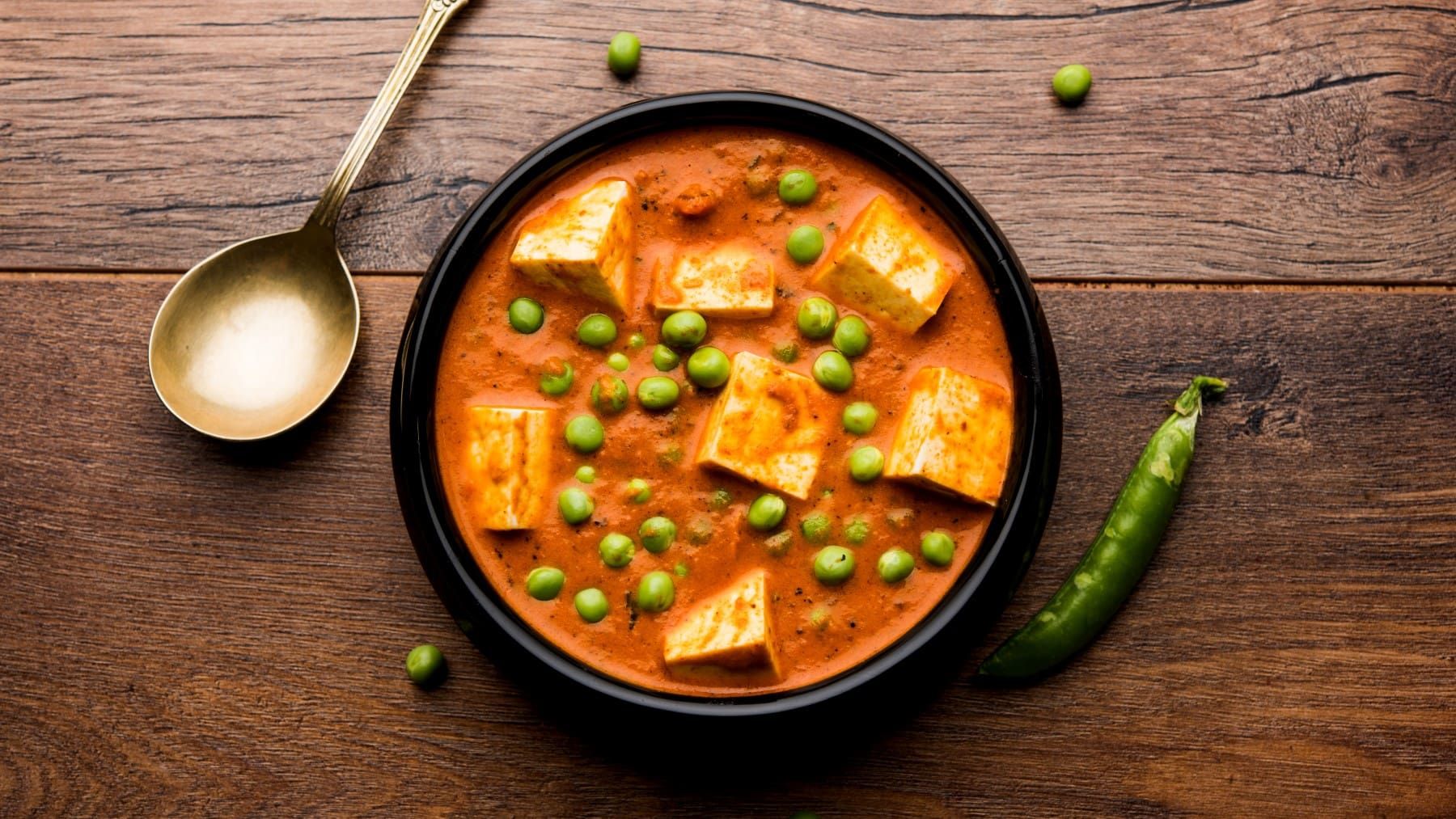
| Paneer | Firm tofu, potato or tandoor-roasted vegetables | Holds shape and takes on char and spice |
A note for guests with allergies: cashews are a common thickener, so if you are avoiding nuts, always tell the team before ordering and ask how a dish is thickened.
The deeper secret is onions. When onions are cooked slowly in oil for 25 minutes or more, their sugars caramelise and they collapse into a soft, sweet paste. Blend that with cooked-down tomato and you have a sauce with real weight, before a single drop of coconut goes in.
How do vegan kitchens replace the yoghurt marinade?
Yoghurt does two things in a meat marinade. Its mild lactic acid and calcium loosen muscle proteins, which tenderises the meat. It also forms a coating that holds the spice and chars in the tandoor.
Vegetables do not need tenderising, so the job changes. What they need is a coating that sticks and browns. In our kitchen the answer is a paste of lemon juice, ginger-garlic paste, chilli, ground spices, a little oil and a spoon of gram flour (besan). The gram flour clings to the surface and toasts in the heat, giving the same crusted, speckled finish you expect from a tikka.
We use our tandoor for vegetables as well as meat, and this is where a vegan menu wins people over. Cauliflower, peppers, mushrooms and onions pushed onto skewers and roasted at tandoor heat take on smoke and blistered edges in minutes. Nobody misses the yoghurt.
Can classic curry house dishes be made vegan?
Many can, because the flavour lives in the technique, not the dairy. Take chicken pathia, a curry house favourite known for its hot, sweet and sour balance. That balance comes from chilli, tomato, a little sugar or jaggery, and a sour note from lemon or tamarind. None of those ingredients is dairy. The same structure works beautifully with chickpeas, aubergine or potato.
Jalfrezi is another good example. It is essentially a stir-fry style curry: onions, peppers and green chillies cooked fast over high heat so they stay crisp, with a thick, clinging sauce. If you have ever typed the best jalfrezi curry near me into your phone, you were looking for that fresh, punchy heat, and it suits vegetables naturally. Ask our team which vegan dishes are running on the day if you want something in that style.
The curry houses on Brick Lane have been cooking these dishes for decades. A dedicated vegan menu takes that inherited know-how and rebuilds it from the ground up.
How is a menu designed at a vegan Indian restaurant London diners trust?
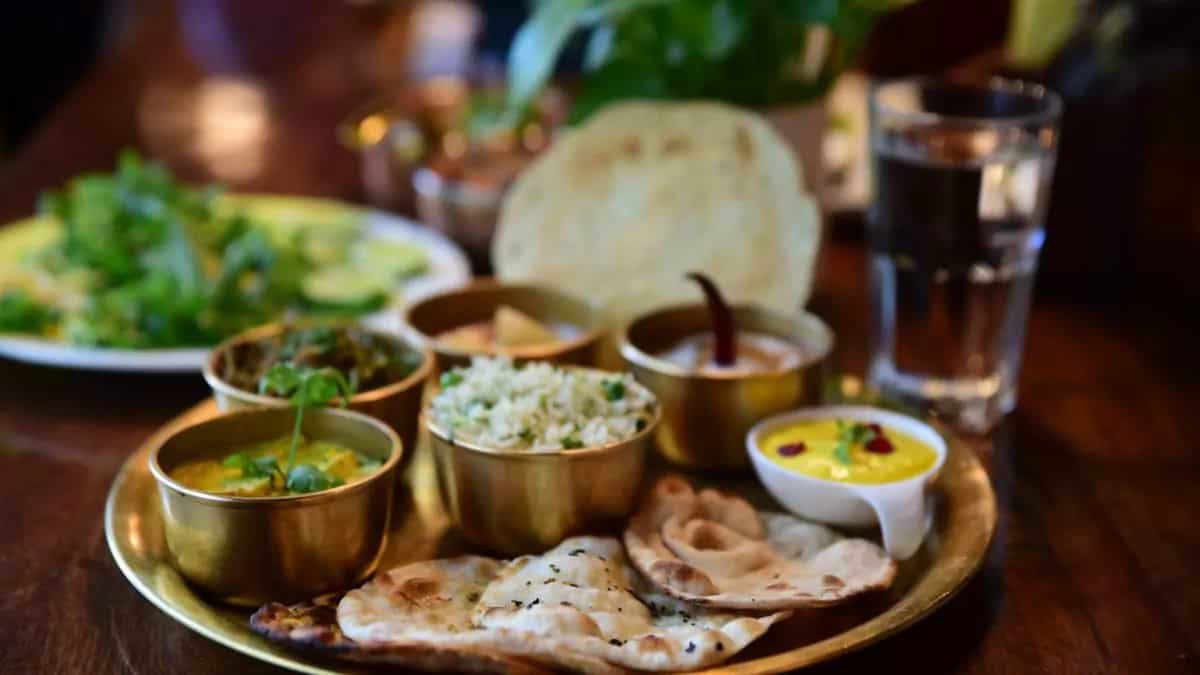
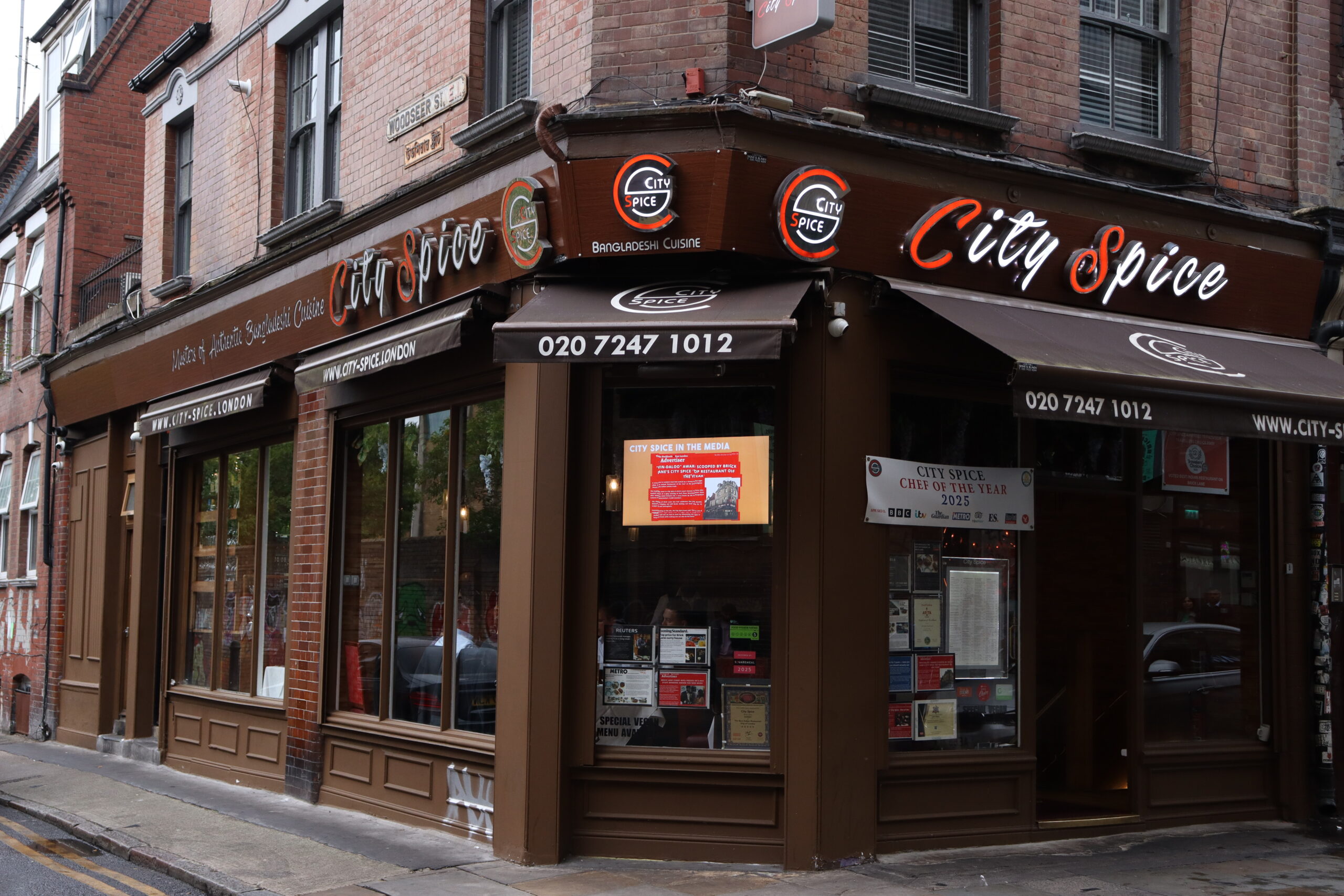
At City Spice, Michelin-inspired chef Rupert Rowley worked with Chef Niaz to create a dedicated vegan curry menu. That matters, because a menu designed vegan from the start tastes different from one adapted at the last minute. Dishes include Chowle Achar, an aubergine dhal, Shobji Kufta Bhujon and the thali-style Shahi Sahakari platter.
When we think about how a vegan dish is built, it usually follows these steps.
- Choose the body. Lentils, chickpeas, aubergine or potato give substance and protein.
- Pick the fat to match the region. Mustard oil for Bengali dishes, coconut for coastal flavours, neutral oil for high-heat tempering.
- Build the base slowly. Onions, ginger, garlic and tomato are cooked until the oil separates.
- Add sourness and freshness. Tamarind, lemon, green chilli and coriander replace the brightness of yoghurt.
- Finish with a tarka. Hot oil with whole spices or curry leaves poured over just before serving.
Aubergine is especially useful. Roasted or charred until the flesh collapses, it turns smoky and silky, giving a dhal a depth that feels almost buttery.
How can you check if a dish is truly vegan?
Even on a vegan menu, it is sensible to talk to the team about allergies and cross-contact, particularly for nuts and gluten. Ask whether breads are made without yoghurt or milk and whether they are brushed with butter. Plain roti made from wholemeal atta, water and salt is naturally vegan when no ghee goes on top. Check sides too, since raita and some chutneys contain yoghurt.
Frequently Asked Questions
Is ghee vegan?
No. Ghee is clarified butter made from cow’s or buffalo milk, so it is a dairy product. Vegan Indian kitchens replace it with plant oils such as mustard, rapeseed or coconut oil.
Is naan bread vegan?
Usually not. Traditional restaurant naan often contains yoghurt or milk and is brushed with butter or ghee. Plain roti made with atta flour, water and salt is typically vegan if served without ghee, but always check with the kitchen.
How do vegan curries stay rich and creamy?
Richness comes from onions cooked slowly until caramelised, reduced tomato, coconut milk and blended seeds or nuts. Finishing with a hot spiced oil adds gloss and aroma in place of butter.
Can tandoori dishes be vegan?
Yes. Vegetables can be coated in a paste of lemon, ginger, garlic, spices and gram flour, then roasted in the tandoor. City Spice uses its tandoor for vegetables as well as meat, so they pick up the same smoky char.
What vegan dishes does City Spice serve?
City Spice has a dedicated vegan curry menu created by Chef Niaz and chef Rupert Rowley. Dishes include Chowle Achar, aubergine dhal, Shobji Kufta Bhujon and the thali-style Shahi Sahakari platter.
Final Thoughts
Cooking Indian food without dairy is not about compromise. It is about understanding what ghee, cream and yoghurt were doing in the first place, then finding better tools for each job. That is exactly how a vegan Indian restaurant London diners return to should work. If you want to taste the results, come and visit City Spice at 138 Brick Lane and ask our team to talk you through the vegan menu.