
Why Foodies Travel for Miles to Enjoy the Best Indian Food in Brick Lane
People travel for the best Indian food in Brick Lane because the street offers something hard to find elsewhere: Bengali family cooking, curries built slowly from properly browned onions and toasted whole spices, and kitchens that have cooked for this neighbourhood for decades. The journey pays off when you know what to order and where.
What Actually Makes The Best Indian Food In Brick Lane Worth The Trip?
From behind the pass at City Spice, we see the same pattern every weekend. Guests arrive from Croydon, Watford, Reading, sometimes off a train from much further. They are not coming for novelty. They are coming because a good Brick Lane curry tastes of patience.
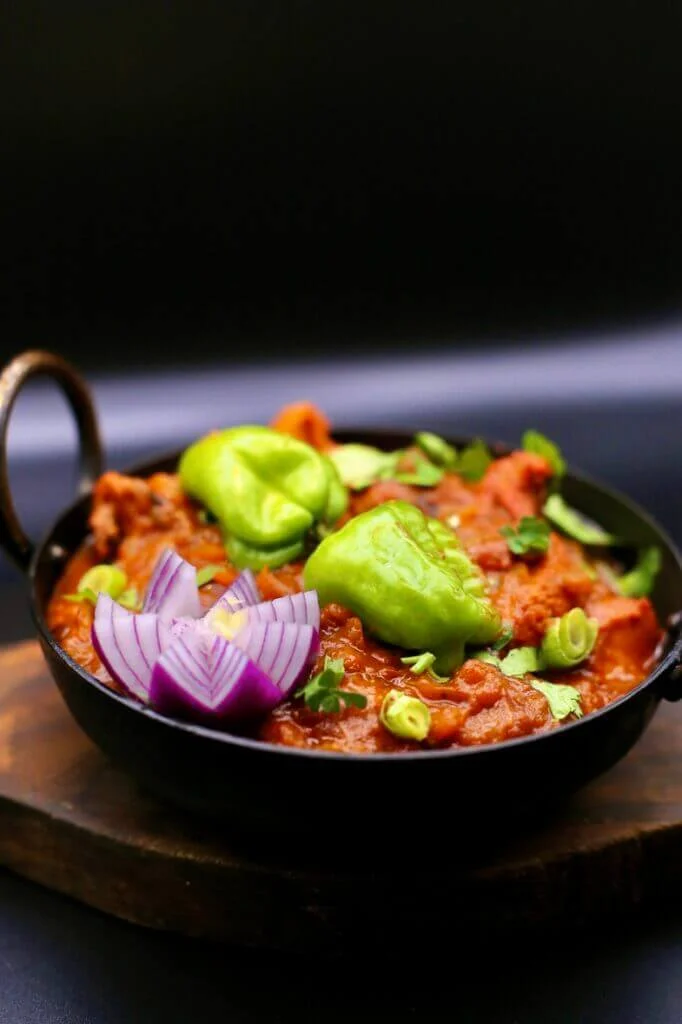
That patience is something you can measure. A proper base for a bhuna or a dopiaza starts with onions cooked low in oil for 20 to 25 minutes until they turn deep amber. Rush that and the sauce tastes raw and sharp. Ground spices then go in with a splash of water so they cook without scorching, and the mix is stirred until the oil splits away from the masala and pools at the edges. In Bengali kitchens that moment is the signal the base is ready. You cannot fake it with a jar.
The other reason is range. On one short stretch of road you can eat Sylheti-style fish, a classic restaurant madras, charred tandoor dishes and fully vegan curries. Few streets in Britain pack that much Indian and Bangladeshi cooking into so little space.
How Did The Curry Houses On Brick Lane Begin?
Brick Lane has always been a street of arrivals. Huguenot silk weavers settled in Spitalfields in the late 17th century. Jewish families followed in large numbers in the late 19th and early 20th centuries, and the bagel shops at the north end are their legacy. From the 1970s onwards, families from the Sylhet region of Bangladesh made the area their home, and many of the men worked in, then opened, restaurants.
The early curry houses on Brick Lane often served the menu British diners already knew from high streets across the country: korma, madras, vindaloo, tikka masala. Behind the kitchen doors, though, the cooks were Bengali, and their home food was quite different. By the late 1990s the area had become widely known as Banglatown, and the street had grown into one of London’s best-known places to eat curry.
What has changed in recent years is confidence. More kitchens now cook the dishes they grew up with alongside the classics. That mix of the familiar and the genuinely regional is a big part of why people make the trip.
What Gives Bengali Cooking Its Distinct Flavour?
Chef Niaz’s cooking at City Spice carries a Bengali twist, and a few ingredients explain most of what that means on the plate.
- Mustard oil. Raw, it is pungent and almost horseradish-hot. Bengali cooks heat it until it just starts to smoke, which mellows the bite and leaves a nutty, slightly bitter edge that lifts fish and vegetables.
- Panch phoron. A five-seed blend of cumin, fennel, fenugreek, nigella and black mustard seed, used whole. Dropped into hot oil, the seeds pop within 10 to 15 seconds, and that tempered oil (a tarka) seasons the whole dish.
- Shatkora. A thick-skinned citrus from Sylhet. The rind is cooked into meat curries, giving a sour, perfumed bitterness unlike lemon or lime.
- Bitterness as a flavour. Bengali meals often start with something gently bitter, such as bitter gourd or greens, to wake up the palate before richer dishes arrive.
Taste a Bengali-style vegetable dish next to a standard restaurant curry and the difference is clear. The first is lighter, sharper and seed-led. The second leans on cream, tomato and ground spice.
How Can You Tell A Great Curry House From An Average One?
Brick Lane has dozens of restaurants, and the quality varies. Here is the checklist we would give a friend visiting for the first time.
- Look at the naan. It should be blistered and charred in patches, with a soft, chewy middle. That only happens when dough is slapped onto the wall of a hot tandoor, which runs well above 400°C.
- Check the colour of the curries. A good bhuna is brown and glossy, not neon orange. Bright red usually means food colouring rather than slow-cooked tomato and chilli.
- Ask what the kitchen cooks for itself. Staff food is often the most honest dish in the building. If there is a fish curry or a seasonal vegetable dish that is not on the main menu, ask whether it is available.
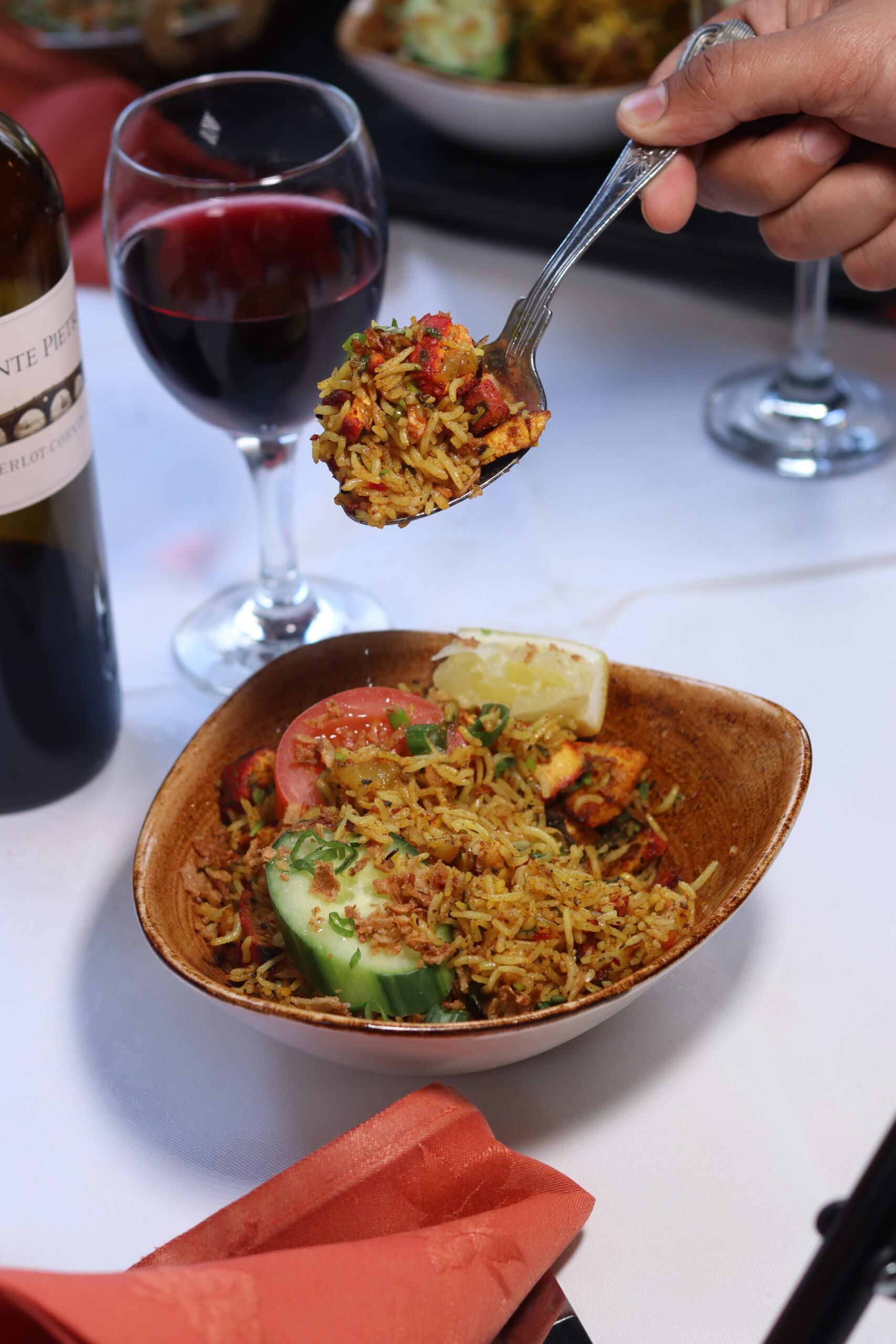
- Notice the rice. Basmati should be separate, long and fluffy. Grains break when rice is over-stirred or not rinsed, so broken rice suggests a rushed kitchen.
- Ignore the street pitch. The restaurants with the hardest sell on the pavement are rarely the ones locals choose.
Is Brick Lane A Good Place To Eat Vegan Indian Food?
Better than most people expect. Indian and Bangladeshi cooking has deep vegetarian traditions, and lentils, aubergine, okra, potato and greens are the backbone of plenty of home meals.
At City Spice we took that further. Michelin-inspired chef Rupert Rowley worked with Chef Niaz to create a dedicated vegan curry menu, so plant-based guests get dishes designed from scratch rather than meat curries with the meat taken out. Dishes include Chowle Achar, an aubergine dhal, Shobji Kufta Bhujon and the thali-style Shahi Sahakari platter, which lets you try several things in one sitting.
The craft is in replacing what dairy normally does. Coconut milk or blended cashew can bring the body, though nut-free guests should ask about swaps. Oil carries the tempered spices instead of ghee. Slow-cooked onion and tomato provide sweetness. If you have been looking for a vegan Indian restaurant London diners can trust with the detail, it is worth the journey east. We also use our tandoor for vegetables as well as meat, so cauliflower, peppers and mushrooms pick up the same smoky char as a chicken tikka.
How Should You Order To Get The Best Experience?
Indian food is built for sharing, and ordering well makes a big difference. A balanced table for four usually looks something like this.
| Course | What to choose | Why it works
|
|---|---|---|
| Starters | One tandoor dish, one fried snack | Smoke and crunch before the sauces arrive |
| Mains | One dry dish, one rich curry, one lentil or vegetable | Contrast in texture and weight |
| Sides | Plain rice, one bread per two people | Rice for sauces, bread for scooping dry dishes |
| Cooling | Raita or a fresh salad | Cuts chilli heat between bites |
Two tips from our kitchen. First, order across heat levels so everyone has something they love. Second, do not order three creamy curries. They will taste the same on the second plate.
Frequently Asked Questions
Why is Brick Lane famous for curry?
Families from the Sylhet region of Bangladesh settled around Brick Lane from the 1970s and opened many of its restaurants. Over the following decades the street became one of London’s best-known places to eat curry, and the area is now widely known as Banglatown.
What should I order on my first visit to Brick Lane?
Start with a tandoor dish to judge the kitchen’s grill, then share a dry dish such as a bhuna alongside a lentil dish and plain basmati rice. Ask the team about anything Bengali or seasonal, since those dishes often show what the kitchen does best.
Is there good vegan Indian food on Brick Lane?
Yes. City Spice has a dedicated vegan curry menu developed by Chef Niaz and chef Rupert Rowley, including aubergine dhal, Shobji Kufta Bhujon and the Shahi Sahakari platter. The dishes are designed vegan from the start rather than adapted
What is the difference between Bengali food and a standard British curry?
Bengali cooking uses mustard oil, whole-seed tempering with panch phoron and souring ingredients like shatkora, giving lighter, sharper flavours. The standard British curry house menu leans more on cream, tomato and ground spice blends.
How do I avoid a disappointing meal on Brick Lane?
Skip restaurants that rely on hard-sell street touting, and look for charred, blistered naan and curries with a natural brown colour rather than bright red. Asking what the staff eat is a quick way to find the most honest dish.
Final Thoughts
The journey to Brick Lane is worth it because the food carries real history and real skill. Look past the neon, order for contrast and ask questions. If you want to taste the best Indian food in Brick Lane with a Bengali twist, a tandoor that handles vegetables as well as meat and a vegan menu made with genuine care, come and eat with us at City Spice, 138 Brick Lane. We will be glad to tell you what is cooking today.