Curry Houses on Brick Lane: The History of London’s Curry Mile
Brick Lane is one of London’s best-known destinations for Indian and Bangladeshi food. For many visitors, the street is closely linked with the smell of freshly cooked curries, busy restaurants and menus filled with familiar South Asian dishes. However, its food culture has a much deeper story than a row of places to eat. The history of curry on Brick Lane is connected to migration, community, family businesses and the changing face of East London. Understanding this background makes a visit to the curry houses on brick lane more meaningful.
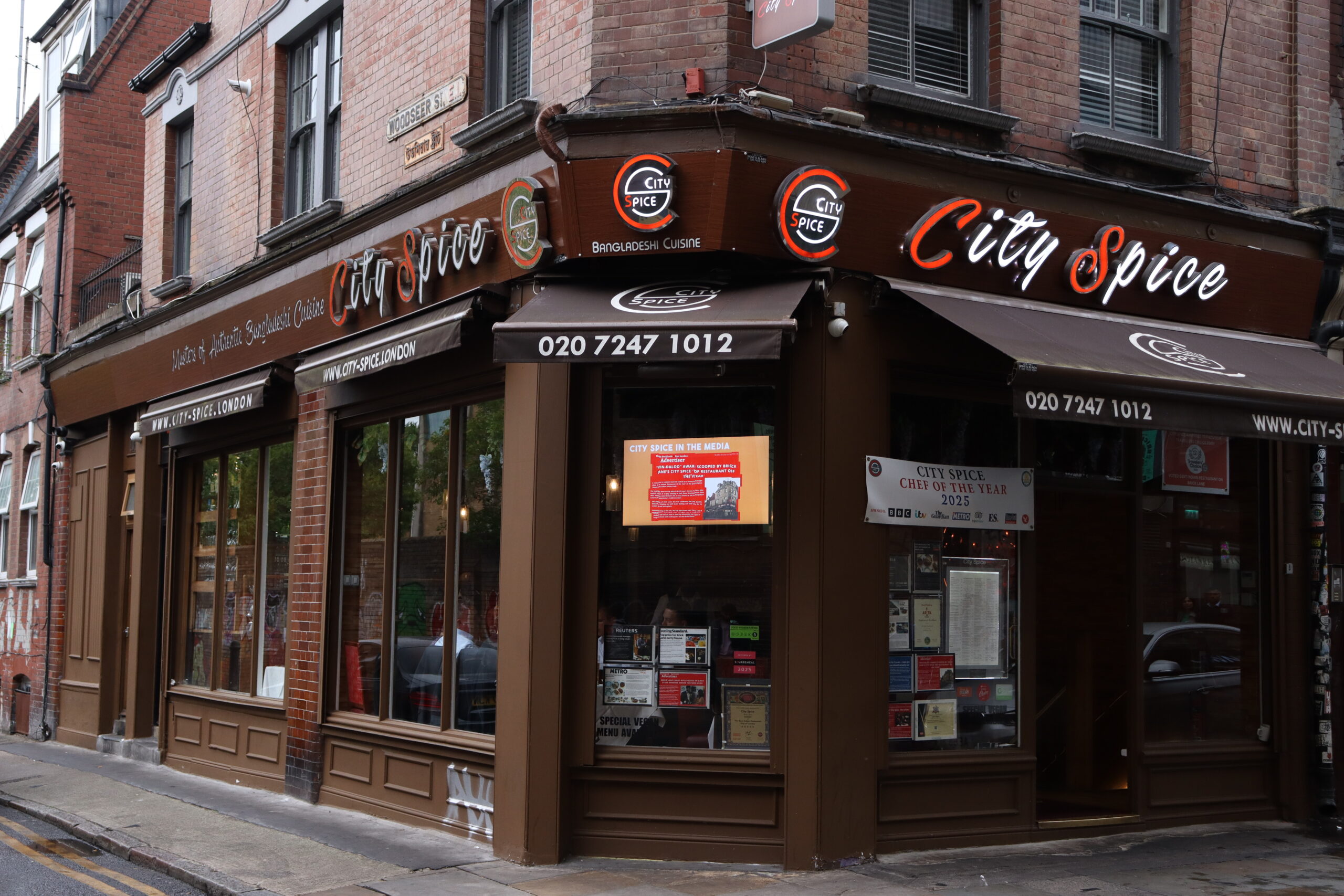
Today, the street attracts tourists, local residents and people who travel across London for a meal. Restaurants have changed over time, but food remains an important part of its identity. City Spice, at 138 Brick Lane, is one of the restaurants that has been part of this story since opening in 1996.
How Brick Lane Became a Food Destination
Brick Lane has been shaped by different communities over many generations. Before it became known for curry, the area was home to Huguenot, Irish and Jewish communities, among others. Each group left its mark on local businesses, places of worship, food and everyday life. From the 1970s onwards, the Bangladeshi community became an important part of the area, with many people from the Sylhet region settling in East London.
Early Bengali cafés and restaurants provided food and a place to meet for seafarers and newly arrived migrants. These businesses offered familiar meals and a sense of community for people building new lives in Britain. Over time, more restaurants opened and began welcoming a wider mix of customers. This change helped establish the curry houses on brick lane as a recognisable part of London’s food scene.
The Growth of Banglatown
The name Banglatown became closely linked with Brick Lane during the 1990s. Local Bengali restaurateurs and community activists supported the idea of creating a cultural and restaurant quarter that recognised the contribution of the Bangladeshi community. In 1997, Tower Hamlets officially used the Banglatown name for the stretch of Bangladeshi restaurants at the southern end of Brick Lane.
The area received improvements to shopfronts, street features and public spaces. Festivals and events also helped promote its food and culture. In 1999, a section of Brick Lane was designated as a Restaurant Zone, encouraging more businesses to open as restaurants. This period helped strengthen banglatown London as a name associated with food, community and cultural identity.
At its height in the mid-2000s, the area had around 60 Bangladeshi- or Pakistani-owned curry restaurants and cafés. The street became known as a curry capital and attracted visitors looking for South Asian food. The growth of the curry houses on brick lane was not simply a business success; it also reflected the hard work and enterprise of local families.
The People Behind Brick Lane’s Curry History
The story of the street cannot be separated from the people who built its restaurants. Many early business owners came from Sylhet and other parts of Bangladesh. Some had worked at sea or in catering before opening cafés and restaurants of their own. Their businesses provided employment, supported families and helped new arrivals settle in the area.
The brick lane curry history also shows how menus changed to meet the tastes of different customers. Restaurants served traditional Bengali dishes while also offering popular curry-house favourites that appealed to a wider British audience. This mix helped make the food accessible to more people, while keeping South Asian cooking at the centre of the experience.
The contribution of bangladeshi restaurants london is part of a much wider story of migration and British food culture. The dishes now enjoyed across the country have been shaped by generations of chefs, restaurant owners and workers. Brick Lane remains one of the most visible places to understand that contribution. The brick lane curry history is therefore not only about restaurants, but also about the people and communities behind them.
How the Curry Scene Has Changed
Brick Lane’s restaurant scene has not stayed the same. Rising rents, changing customer habits, redevelopment and wider economic pressures have affected independent businesses. Research into the area recorded a fall in the number of curry restaurants and cafés from around 60 in the mid-2000s to 23 on Brick Lane and Osborn Street in February 2020. These figures describe that research period rather than a current count, but they show how much the local scene has changed.
Even with these changes, the curry houses on brick lane remain an important part of the street’s identity. Visitors can still find restaurants serving traditional curries, grilled dishes, biryanis and vegetarian options. The mix of food businesses may be different from the past, but the connection between Brick Lane and Bangladeshi food continues. The wider story of Bangladeshi restaurants london also reflects the contribution these businesses have made to Britain’s food culture.
City Spice: Part of Brick Lane Since 1996
City Spice opened at 138 Brick Lane in 1996, during a period when the street’s restaurant trade was becoming an important part of its identity. It began on the site of a former sari shop and has remained part of the area’s changing food scene. Its history reflects the role of Bangladeshi-owned restaurants in shaping the street.
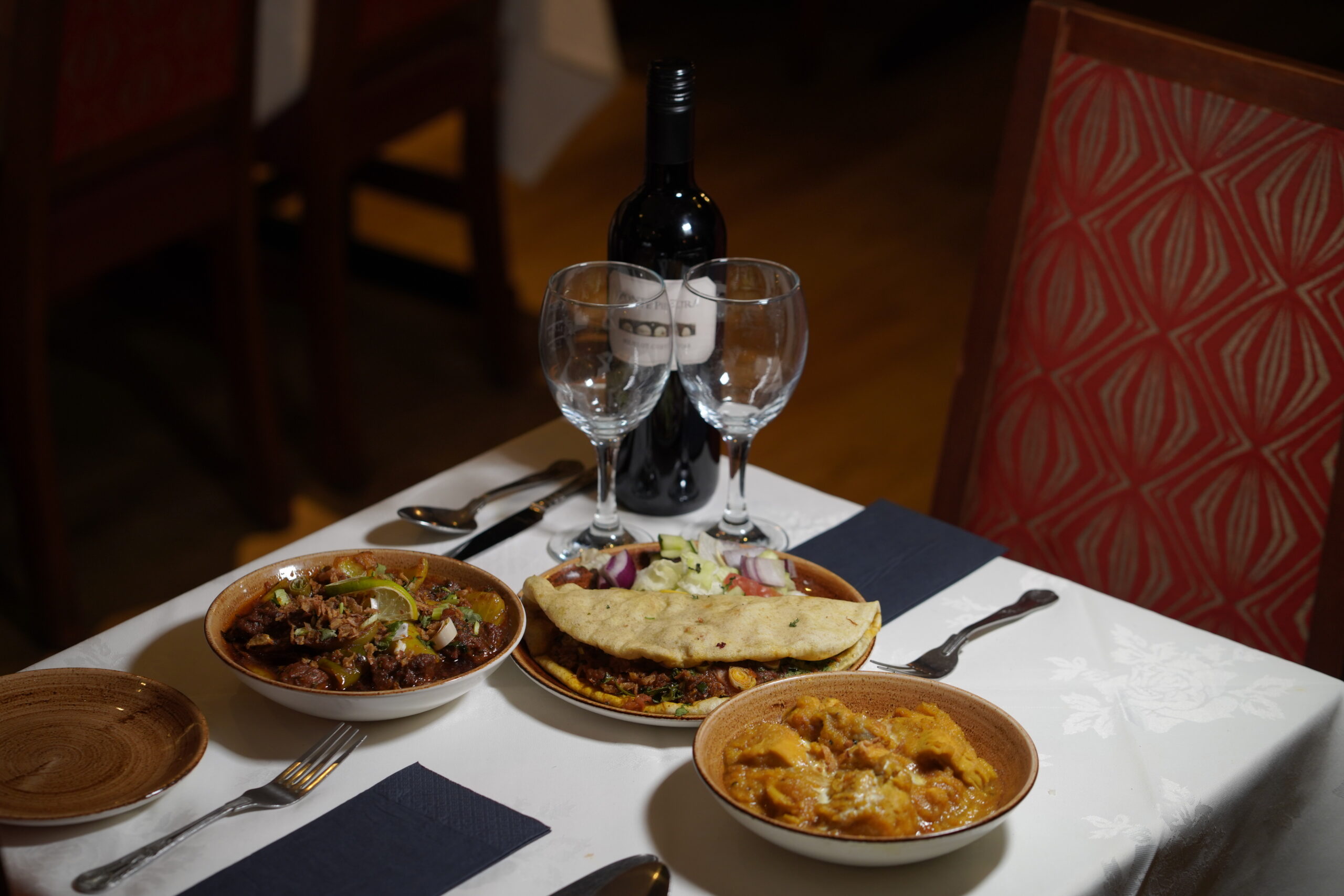
The restaurant serves Indian and Bengali-inspired dishes, bringing traditional recipes together with a modern approach. Its menu includes classic curries, tandoori dishes, seafood and vegetarian options. City Spice also offers a separate vegan menu, giving guests more choice when dining with different dietary preferences.
For people exploring the curry houses on brick lane, City Spice offers a chance to enjoy a meal in a restaurant with a connection to the street’s history. Its dining room features white tablecloths, warm lighting and chandeliers, creating a setting for everyday meals, family gatherings and group occasions. The restaurant’s location also makes it easy to include in a visit to Brick Lane and the surrounding East End.
Experience the History Through Food
Food is one of the easiest ways to connect with a place and its people. A curry on Brick Lane is not just a meal; it can also be part of a much longer story about migration, work, family and belonging. When you visit, take time to explore the menus, ask about dishes and enjoy the variety of flavours available.
The legacy of banglatown london can still be seen in the restaurants, street signs, festivals and businesses that reflect the community’s presence. Choosing a local restaurant helps visitors engage with that living history while supporting the businesses that continue to shape the area.
Final Thoughts
Brick Lane’s reputation as a curry destination was built over generations by Bangladeshi migrants, restaurateurs, chefs and local communities. From early cafés serving seafarers to the growth of Banglatown and the restaurant boom of the 1990s and 2000s, its food history is an important part of East London’s story.
City Spice has been part of Brick Lane since 1996 and continues to welcome diners with its Indian and Bengali-inspired menu. Whether you are visiting to learn more about the area or simply to enjoy a good meal, exploring its restaurants offers a way to experience the food culture that helped make Brick Lane famous.
FAQs
- Why is Brick Lane known for curry houses?
Brick Lane became known for its curry restaurants through the work of Bangladeshi migrants and restaurateurs who built cafés and restaurants in the area over several decades.
- What is Banglatown in London?
Banglatown is the name associated with the area around the southern end of Brick Lane, recognised for its Bangladeshi community, restaurants and cultural identity.
- When did City Spice open on Brick Lane?
City Spice opened at 138 Brick Lane in 1996 and has been part of the area’s restaurant scene since then.